- 2777 3377
- Unit A, 8/F, World Trust Tower, 50 Stanley Street, Central
- Unit A, 8/F, World Trust Tower, 50 Stanley Street, Central

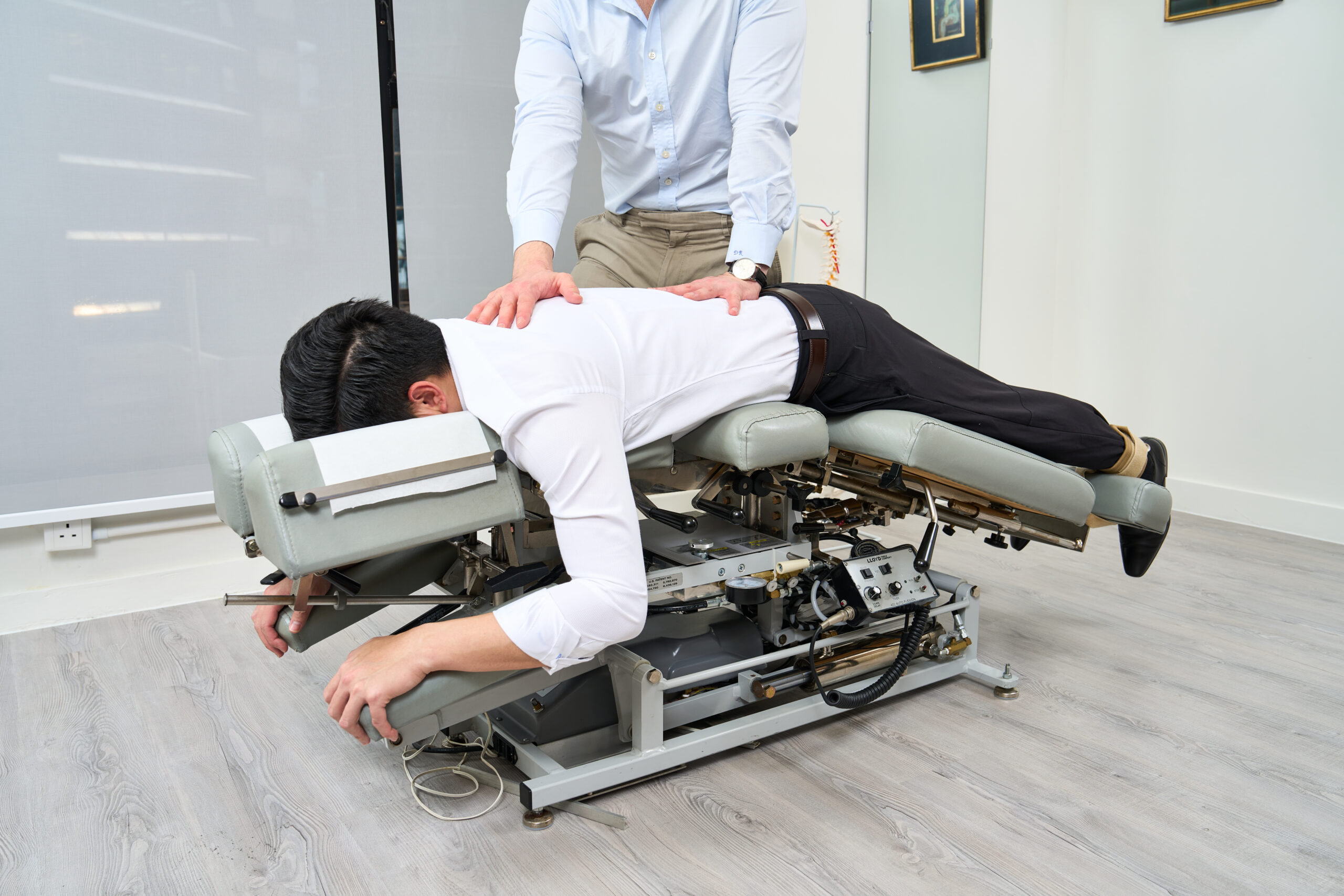
Chiropractors are trained in the assessment and management of musculoskeletal (MSK) conditions involving the spine. Individuals with spinal joint dysfunction or movement-related pain may experience symptoms such as pain with movement, stiffness, reduced range of motion, or pain that may refer to nearby areas. These symptoms are often mechanical in nature and related to joint, muscle, or connective tissue dysfunction rather than structural damage or nerve disease.
If you are experiencing these symptoms, a thorough clinical assessment is recommended. At Agape Chiropractic Hong Kong, we focus on evidence-based MSK chiropractic care, including spinal manipulation therapy, as part of a broader, individualized treatment plan. Our goal is to help reduce pain, improve movement, and support functional recovery based on current scientific evidence.
Spinal manipulation is a manual therapy technique in which a chiropractor applies a controlled, high-velocity, low-amplitude thrust to a specific spinal joint. This movement is delivered within the joint’s anatomical range and is intended to improve joint mobility and reduce pain. Spinal manipulation differs from spinal mobilization, which involves slower, gentler movements performed within a patient’s controlled range of motion.
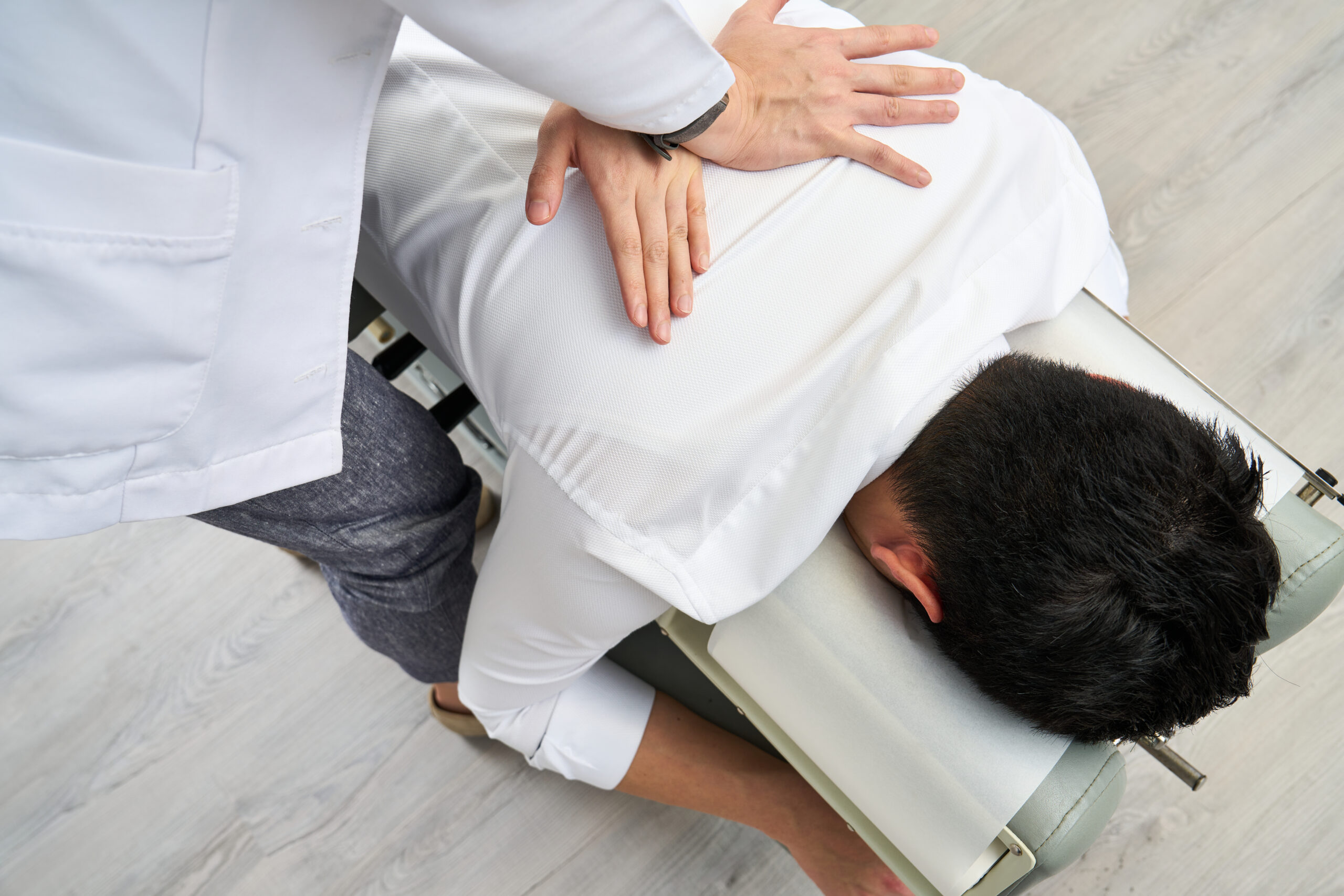
You might be wondering what to expect during spinal joint manipulation. Following a detailed assessment, the chiropractor applies a precise, controlled force to a targeted spinal joint. The primary goals are to improve joint motion, reduce pain sensitivity, and normalize movement patterns. Spinal manipulation does not realign bones or ‘correct’ posture instantly; rather, it supports short-term pain relief and improved function as part of an active care approach.
You may hear a cracking or popping sound during a spinal adjustment. This sound is explained by gas release within the joint and is not associated with bones moving back into place. Spinal manipulation is often combined with exercise therapy, posture education, and soft-tissue techniques to support long-term outcomes and self-management.
Current clinical guidelines and research support spinal manipulation as an effective treatment option for certain types of musculoskeletal pain, particularly acute and subacute low back pain. Evidence also supports its use—often in combination with exercise and education—for neck pain and some headache disorders. Outcomes vary depending on the condition, individual factors, and adherence to active care recommendations.
You may ask whether chiropractic spinal manipulation is safe. When performed by a qualified and licensed practitioner following appropriate screening and clinical reasoning, spinal manipulation is considered a safe intervention for musculoskeletal conditions.
Chiropractors in Hong Kong are required to conduct a comprehensive assessment before treatment. Spinal adjustment techniques are tailored to the individual, using the least force necessary to achieve a clinical benefit. Mild, short-lived soreness may occur and typically resolves within 24–48 hours.
When used appropriately, spinal manipulation may provide the following benefits as part of comprehensive MSK care:
Spinal adjustment may help reduce neck, back, and joint-related pain by improving movement and modulating pain sensitivity.
Spinal adjustment techniques can help restore joint motion and reduce stiffness, supporting easier movement in daily activities.
Muscle guarding and tone around painful joints may decrease following manipulation, particularly when combined with exercise.
While spinal manipulation alone does not permanently change posture, it can facilitate movement and comfort, making posture-specific exercises and ergonomic changes more effective.
Chiropractic care in Hong Kong is regulated by the Chiropractors Council of Hong Kong, which ensures professional standards, ethical practice, and patient safety. At Agape Chiropractic Hong Kong, we focus on evidence-based spinal care aimed at improving function and quality of life.
The effects of spinal manipulation can vary. Some individuals experience short-term pain relief or improved mobility, while longer-lasting benefits generally depend on addressing contributing factors such as activity levels, ergonomics, and strength. Sustainable improvement typically involves combining manual therapy with active rehabilitation strategies.
The number of sessions required depends on the nature, duration, and severity of the condition, as well as individual response to care. Some people notice improvement within a few visits, while more persistent conditions may require a longer, structured care plan emphasizing progressive self-management.
Spinal manipulation may be helpful for some individuals with leg pain related to lumbar spine dysfunction, often referred to as sciatica. Its role is to improve spinal movement and reduce pain sensitivity rather than directly decompress nerves. It is most effective when used alongside exercise therapy and patient education.
Involves a fast, precise thrust applied to a specific joint to improve movement and reduce pain.
Uses slower, repeated movements within tolerance and is often preferred for individuals who require a gentler approach.
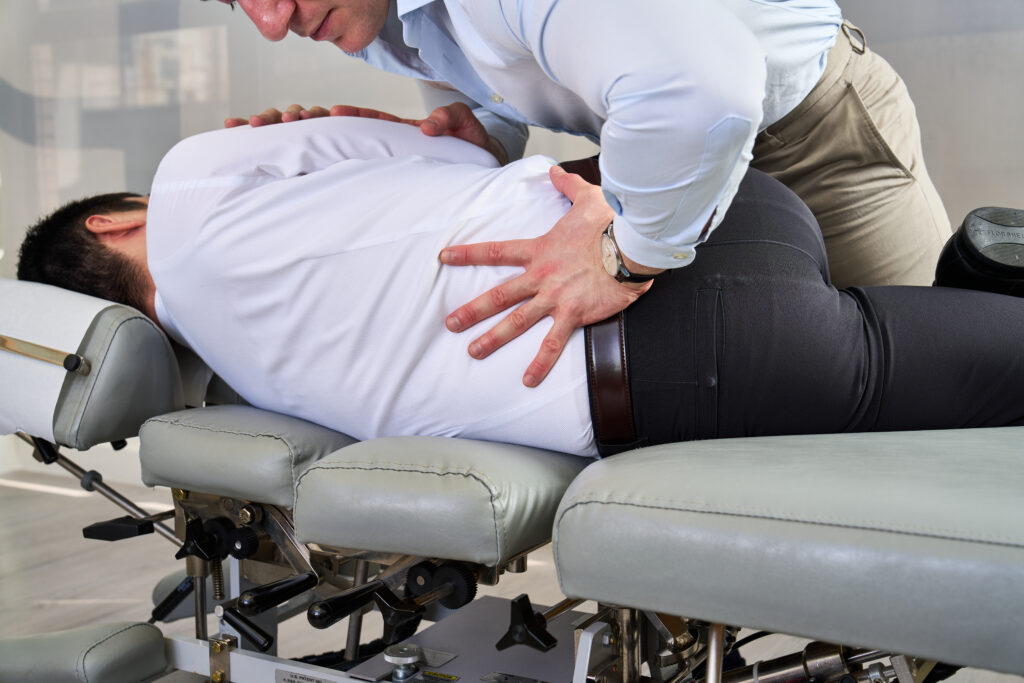
Evidence supports spinal manipulation as part of first-line care for certain types of mechanical low back pain.
Appropriate for some presentations, particularly when combined with exercise-based rehabilitation.
Some cervicogenic and tension-type headaches may respond to manual therapy as part of a multimodal approach.
May assist selected cases when clinically appropriate. Spinal manipulation is a non-invasive, evidence-informed intervention for musculoskeletal conditions. At Agape Chiropractic Hong Kong, we focus on identifying contributing factors, optimizing movement, and supporting long-term self-management rather than relying on passive care alone.
Usually, yes, but with a modified approach. We avoid the specific surgical site and focus on the joints above and below to relieve the extra stress they are carrying. We always review your surgical history first.
If you have them, please bring them! However, they aren’t always required. If our initial assessment suggests that imaging is necessary for your safety, we will refer you to a local imaging center before proceeding with treatment.
Yes. Most patients feel “lighter” and more mobile. We just recommend avoiding heavy lifting or intense gym sessions for a few hours to let your nervous system process the change.
additional faq stuff
That’s perfectly okay. While the sound is just a harmless release of gas (cavitation), we can use “low-force” techniques that achieve the same mobility goals without any audible sound. Just let your chiropractor know your preference!