Flexion Distraction

What is Flexion Distraction?

Flexion Distraction is a chiropractic technique used in the management of certain lumbar spine conditions. It is a non-invasive and low-force approach designed to gently improve spinal movement and reduce mechanical stress on spinal structures such as intervertebral discs and facet joints. The flexion distraction technique is commonly used as part of an evidence-based, multimodal approach to musculoskeletal care, particularly for people experiencing low back pain with or without leg symptoms.

How Does Flexion Distraction Work?

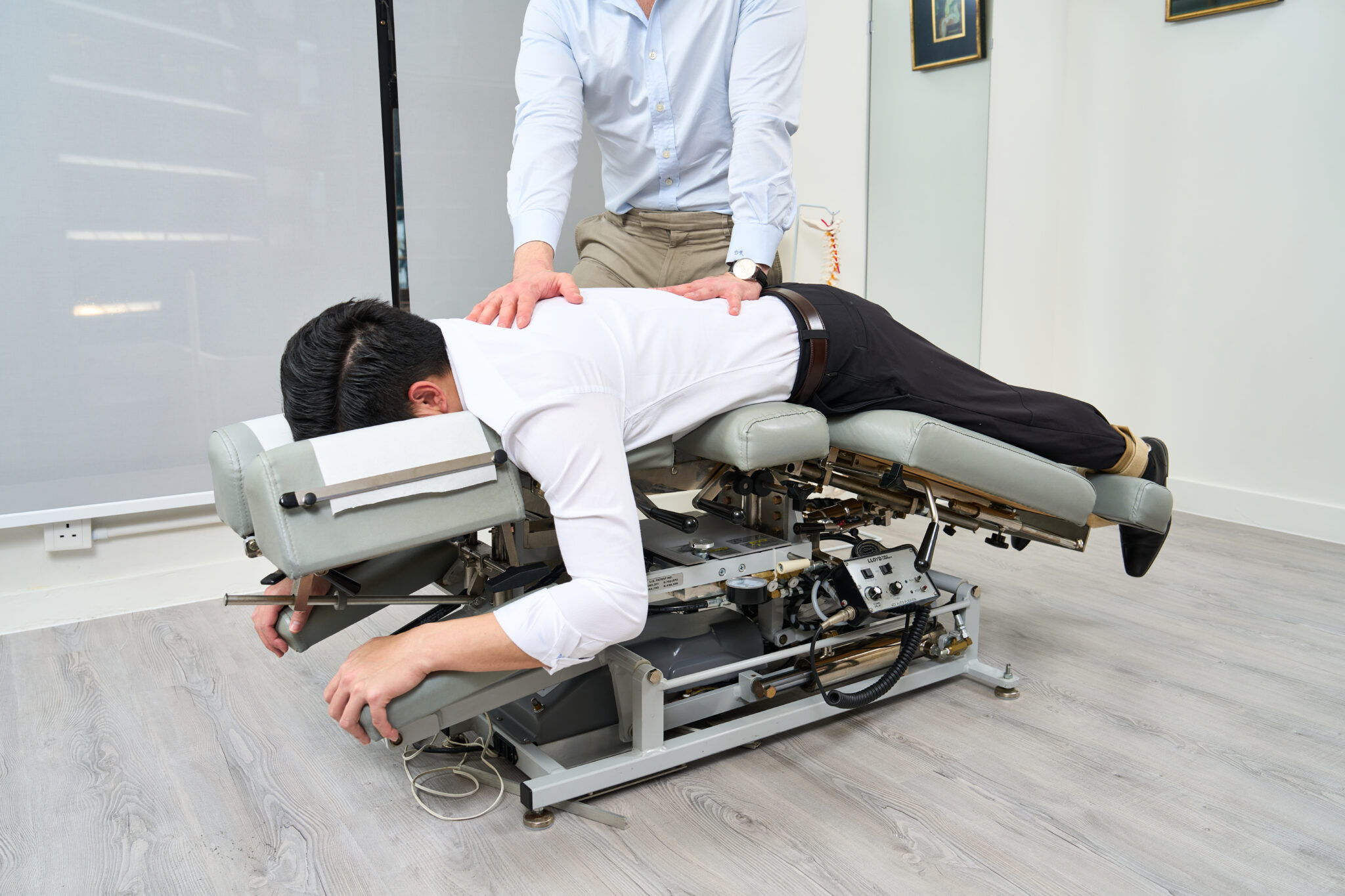
Flexion distraction is based on controlled spinal flexion and decompressive movements. The technique aims to reduce compressive loading on spinal tissues, modulate pain, and improve mobility. During treatment, the chiropractor applies gentle, repetitive movements while the table moves in a controlled manner. This approach may help reduce pressure on sensitive spinal tissues, improve joint mechanics, and support normal movement patterns. Treatment parameters are tailored to the individual patient’s presentation, symptoms, and tolerance.

What Happens During Flexion Distraction?

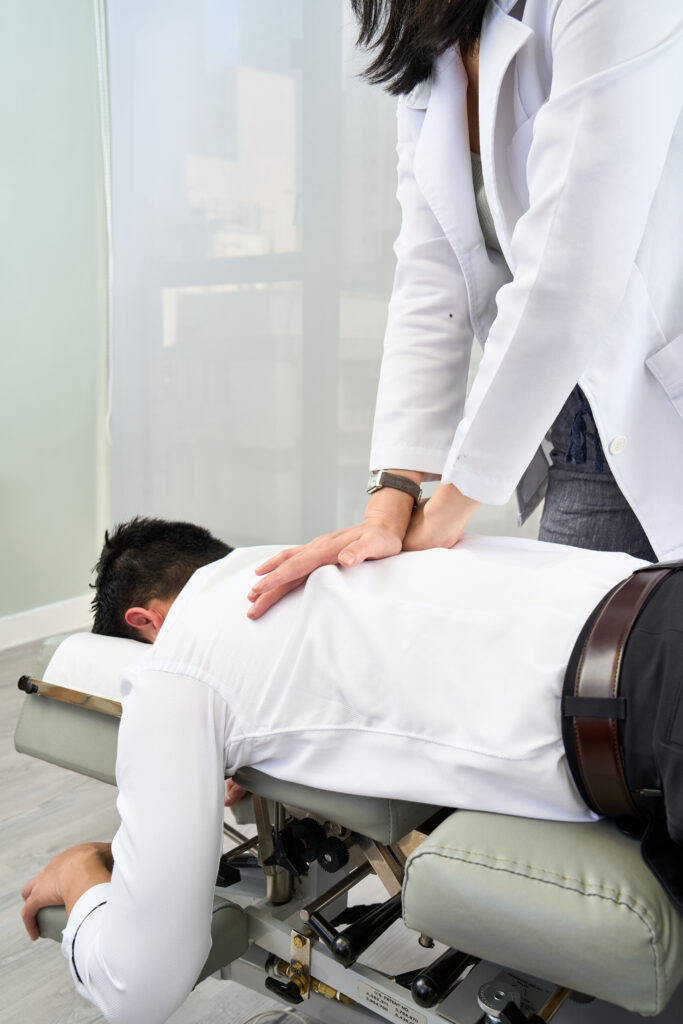
Flexion distraction is performed using a specialised treatment table that allows specific segments of the spine to be gently flexed and distracted. The `HK Chiropractor` applies manual guidance while the table moves in a slow, controlled rhythm. The goal is to improve motion and reduce mechanical irritation associated with conditions such as disc-related back pain. The technique is gentle and does not involve forceful thrusts. Many patients report that the treatment feels comfortable and controlled.

Flexion Distraction Vs. Spinal Decompression

When used appropriately, spinal manipulation may provide the following benefits as part of comprehensive MSK care:

Spinal decompression

Spinal decompression therapy, also known as non-surgical spinal decompression, typically involves motorised traction delivered through a computerised table. The aim is to apply sustained or intermittent traction forces to the spine in an attempt to reduce symptoms associated with disc-related back or neck pain. This approach is generally passive, with limited hands-on involvement from the clinician.

Flexion-distraction therapy

Flexion-distraction therapy is performed using a segmented table that moves in response to the chiropractor’s manual input. The technique combines gentle, repetitive movements with manual control, allowing the clinician to target specific spinal regions. Flexion distraction is often integrated with other evidence-based treatments such as exercise therapy, advice on activity modification, and patient education.
The Difference: The main difference between spinal decompression and flexion distraction therapy lies in how the treatment is delivered. Spinal decompression primarily relies on mechanical traction, whereas flexion distraction involves hands-on clinical judgement and precise manual guidance while the table moves. Flexion distraction allows greater adaptability during treatment based on patient feedback and clinical findings.

Is flexion distraction good for a herniated disc?

Flexion distraction therapy is generally well tolerated and considered gentle. Movements are slow, controlled, and adapted to the patient’s comfort level. Many patients report little to no discomfort during treatment.

Is it safe to have flexion distraction therapy with arthritis?

Flexion distraction therapy may be appropriate for individuals with degenerative joint conditions, depending on clinical assessment. Movements are low-force and can be modified to accommodate joint sensitivity or reduced mobility. A thorough examination is always performed before treatment. If you would like more information before your visit, you can review our `Patient Guide`.

Is flexion distraction good for a herniated disc?

Flexion distraction is commonly used as part of conservative care for disc-related low back pain, particularly where symptoms involve nerve irritation. The suitability of this technique depends on individual assessment and symptom presentation.

Does flexion distraction help sciatica?

Flexion distraction may be helpful for some people experiencing sciatica related to lumbar spine conditions. It is often combined with exercise, education, and other conservative strategies for optimal outcomes.

Is flexion distraction for lower back pain effective?

Flexion distraction is one of several conservative treatment options used for managing certain types of low back pain. It is typically included as part of a broader, evidence-based treatment plan rather than used in isolation.
Can flexion distraction help pinched nerve?

Flexion distraction may help reduce mechanical sensitivity associated with nerve-related symptoms in some cases. Treatment aims to improve movement and reduce stress on surrounding tissues, based on individual assessment findings.
What conditions are treated by flexion distraction therapy
What conditions are treated by flexion distraction therapy?

Flexion distraction therapy may be used as part of conservative management for:

What are the benefits of flexion distraction therapy?

Potential benefits of flexion distraction therapy include:

Looking to have Your First Flexion Distraction Therapy?

If you are experiencing ongoing back or leg pain, flexion distraction therapy may be considered as part of your care. The chiropractors at Agape Chiropractic Hong Kong provide evidence-based, musculoskeletal chiropractic care and will assess whether this technique is appropriate for your condition. We focus on personalised treatment plans that align with current clinical evidence and your individual goals.

Is Flexion-Distraction safe for a severe herniated or "slipped" disc?

Yes, it is considered a low-force and generally safe option when applied appropriately for patients with disc injuries. Unlike traditional manual adjustments that involve a quick “thrust,” Flexion-Distraction uses a gentle, rhythmic stretching motion. It may help reduce intradiscal pressure and improve movement in the affected spinal segments, which can decrease irritation of nearby spinal nerves. It is often a suitable choice for patients who are in too much pain to tolerate standard high-velocity chiropractic “cracking,” although individual suitability must always be assessed clinically.

How is this different from a standard traction machine?

While both involve stretching the spine, Flexion-Distraction is clinician-guided. On a standard traction machine, patients are typically positioned and the force is applied mechanically. During Flexion-Distraction, the practitioner maintains contact and can adjust the movement based on patient comfort, symptom response, and segmental stiffness. This allows for a more individualized and targeted approach compared to generalized mechanical traction, although current evidence suggests both approaches may offer similar outcomes depending on the condition.

Will I hear a "popping" or "cracking" sound during the treatment?

Usually, no. Because Flexion-Distraction is a slow, controlled decompression of the joints, it rarely results in the “cavitation” (popping sound) associated with manual adjustments. Most patients describe the sensation as a gentle stretch rather than a forceful movement. If you are nervous about the sounds of traditional chiropractic care, this technique is considered a “low-force” alternative.

How many sessions will it take before I feel relief from my leg pain/sciatica?

While every case is unique, some patients report an early reduction in referred leg pain or numbness within the first few sessions. However, response to treatment varies based on factors such as severity, duration of symptoms, and individual health status. For acute disc-related presentations, short-term improvement may occur within the first few weeks when combined with an appropriate rehabilitation plan. Long-term outcomes typically depend on a structured approach that includes movement, exercise, and load management, as disc healing and adaptation occur gradually.

Can I get Flexion-Distraction if I’ve already had spinal surgery?

In some cases, yes—provided the surgical site has adequately healed and there are no contraindications. Flexion-Distraction may be considered for managing persistent or recurrent symptoms, including in individuals with a history of spinal surgery. Care must be taken around fused or surgically altered segments, and treatment is usually directed at adjacent regions if appropriate. A thorough clinical evaluation, including review of surgical history and imaging where necessary, is essential before initiating care.

Your Safety and Comfort always come first!

1. Safety First

We never perform treatments on the first visit without a complete physical and neurological exam. Your safety is our absolute priority, and all treatment decisions are based on clinical findings and your individual presentation. We carefully screen for contraindications—such as advanced osteoporosis, significant neurological deficits, or recent fractures—to ensure Flexion-Distraction is the right and safe option for your specific needs and spine.

2. You Are In Control

You are always in charge. If at any point a movement feels uncomfortable, we stop immediately. We work with your body’s tolerance, never against it, ensuring a safe and collaborative treatment experience. Our chiropractors explain every movement of the table before it happens, so there are no surprises, helping you feel informed, comfortable, and reassured throughout your care.

3. Gentle by Design

Because this is a ‘low-force’ technique, it is often described by patients as a ‘deep, relaxing stretch’ rather than a forceful or invasive procedure, making it suitable for sensitive or acute conditions when clinically appropriate.
If you are scared of joint popping sounds, Flexion-Distraction is a suitable alternative. It aims to improve spinal motion and reduce discomfort without the audible cavitation associated with traditional adjustments.

4. Professional Credentials

All our chiropractors are registered with the Chiropractors Council of Hong Kong and adhere to recognised professional standards and evidence-informed clinical guidelines.
We stay at the forefront of spinal research and continuing professional development to ensure the techniques we use at Agape Chiropractic reflect current best practices in musculoskeletal care.

Frame
Hong Kong Central Chiropractor