
People of all ages—from office workers and athletes to seniors— experience knee pain. Meniscus tears are a relatively common reason for knee pain and can affect daily activities and quality of life. While it often occurs during sports, it can also happen during routine activities, or due to aging and gradual wear and tear.. Understanding the causes, symptoms, and potential treatment options, including conservative care like chiropractic, is crucial for an effective recovery.
What is a Meniscus Tear?
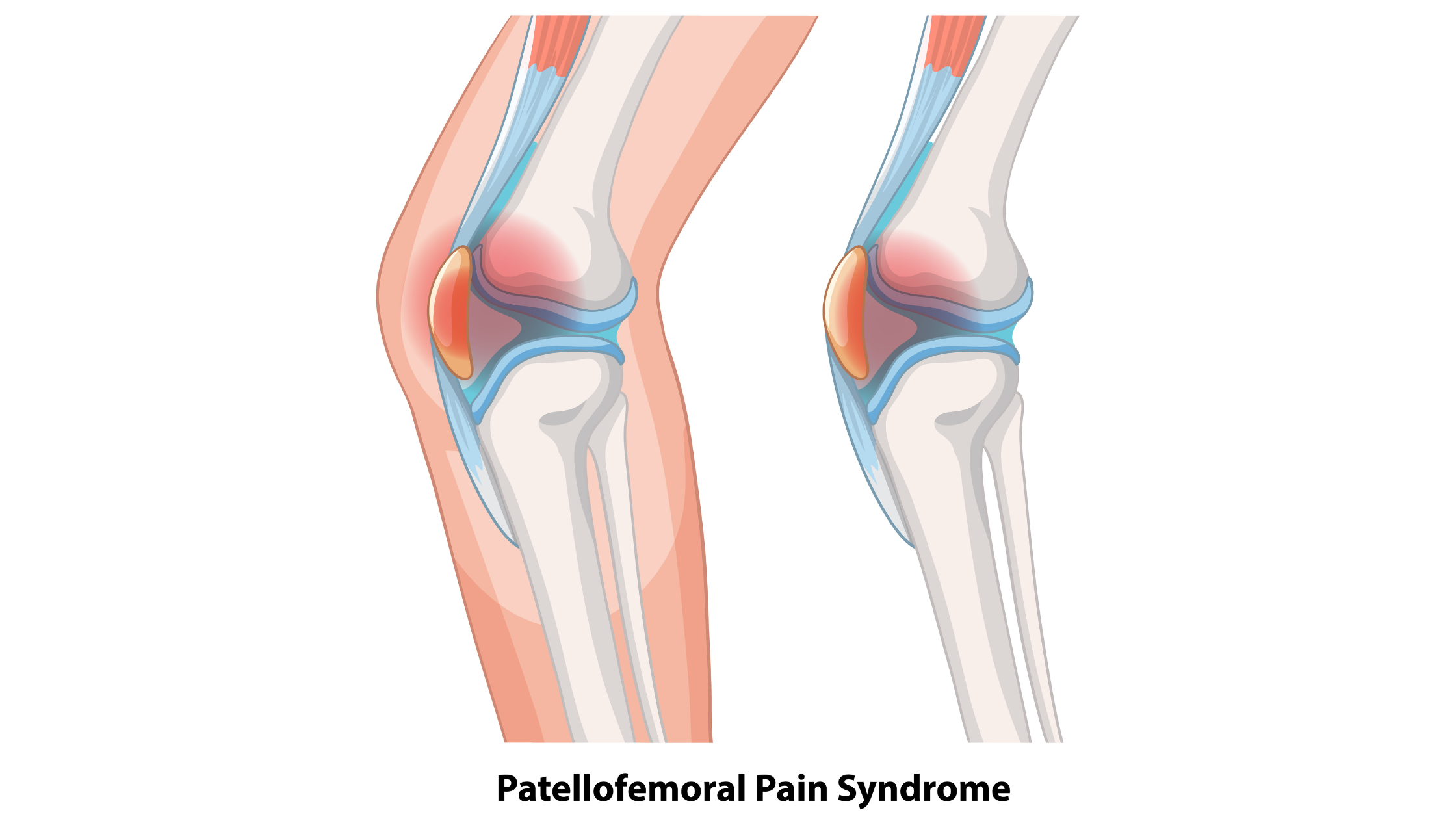
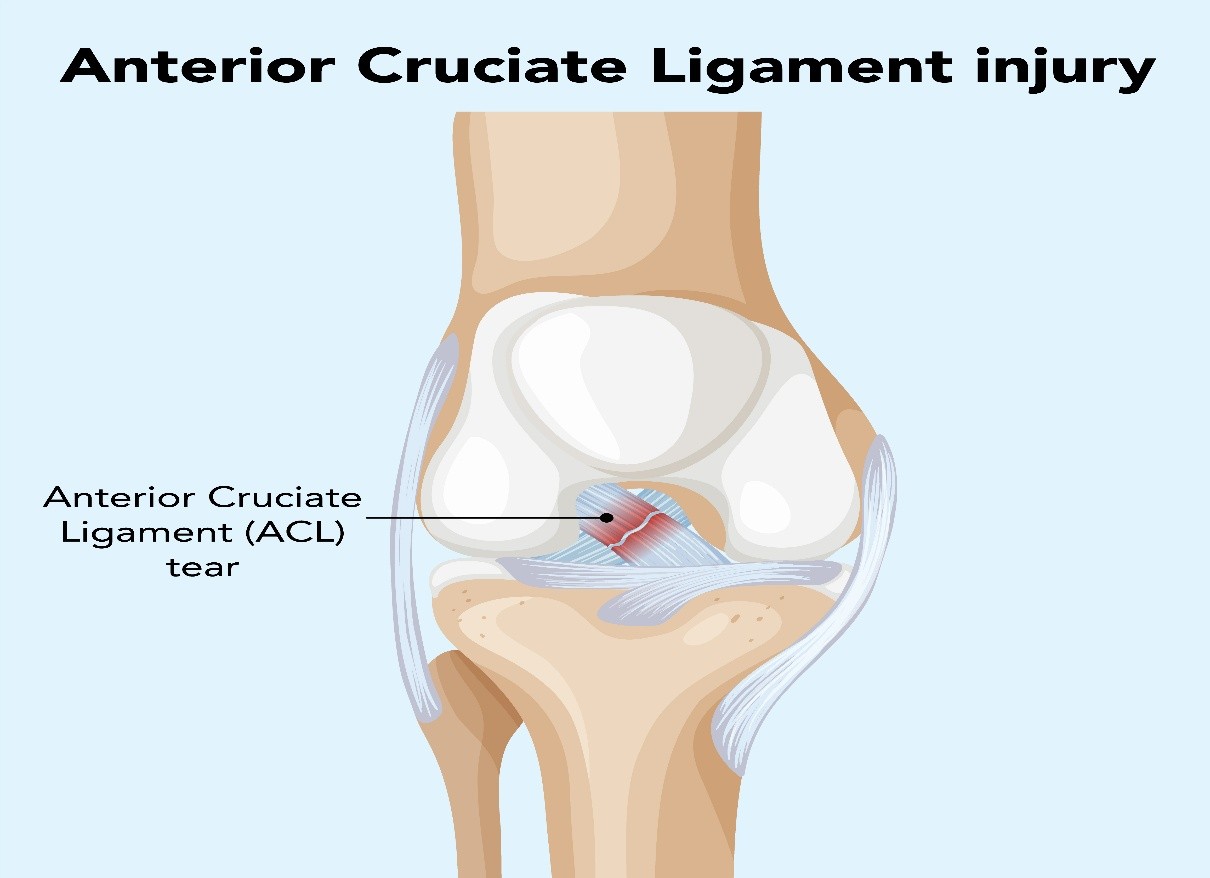
A meniscus tear is a common injury to the cartilage in your knee. Each knee has two C-shaped menisci that act as shock absorbers, distributing weight evenly across the joint. Tearing this cartilage can lead to pain, swelling, and a restricted range of motion, making daily tasks like walking, climbing stairs, or even sitting uncomfortable.
What are the Causes of Meniscus Tears?
Meniscus tears occur for various reasons, often involving a sudden force or gradual degeneration. Here are the most common causes:
- Traumatic Injury: This often happens when the knee twists forcefully while the foot is planted, commonly seen in sports like basketball, football, or soccer.
- Aging (Degenerative Tears): As we age, the meniscus weakens and becomes more vulnerable to tearing, even from minor movements like awkwardly twisting when standing up.
- Repetitive Strain: Jobs or activities that involve frequent kneeling, heavy lifting, or squatting can damage the meniscus over time.
- Obesity: Excess body weight increases pressure on the knee joints, raising the risk of meniscus tears.
- Previous Knee Injuries: A history of knee problems can make an individual more prone to a meniscus tear.
What are the Symptoms of a Meniscus Tear?
Recognizing the symptoms of a meniscus tear is key for early intervention.Common signs include:
- Pain, often localized along the joint line of the knee
- Swelling and stiffness
- A popping or locking sensation during movement
- Difficulty fully straightening or bending the knee
- A feeling of the knee “giving way”
Even minor tears may not produce severe symptoms initially, but they can worsen over time if left unaddressed.
Can a Meniscus Tear Heal Naturally?
Recovery depends heavily on the tear’s severity and location.Tears on the outer edge of the meniscus have a better blood supply and may heal with rest and conservative care. However, tears in the inner region have limited blood flow and are less likely to heal on their own. While minor tears may improve with conservative management, more complex tears may require surgical intervention.
Meniscus Tear Recovery Time
Recovery time varies based on the tear and the treatment chosen. Mild tears may take 4 to 6 weeks to improve with rest and chiropractic treatments. More complex tears can take several months, especially if surgery is required. Chiropractic care can support the healing process by addressing pain, reducing inflammation, and promoting proper joint biomechanics.
Treatment of a Meniscus Tear
Treatment ranges from conservative management to surgical intervention. Non-surgical options include:
- Rest and Activity Modification: Avoiding movements that aggravate the knee is essential for initial healing.
- Physical Therapy: Targeted exercises help strengthen the muscles around the knee to improve stability and function.
- Chiropractic Care: a Chiropractor 香港 at Agape Chiropractic Hong Kong can use joint mobilization, soft tissue therapy, and prescribe corrective exercises to help reduce pain, improve mobility, and support the body’s natural healing processes.
Benefits of Chiropractic Care for Meniscus Tears
Chiropractic care offers a drug-free, non-invasive approach to managing meniscus tear symptoms. Potential benefits include:
- Helps reduce knee pain
- Improves flexibility and range of motion
- Helps decrease swelling and inflammation
- Enhances overall joint function and alignment
- Strengthens supporting muscles around the knee
- Supports a faster return to daily activities
Conclusion
Meniscus tears can be painful and limiting, but with the right approach, most people can recover effectively. Early diagnosis and a comprehensive treatment plan, including the conservative care provided at Agape Chiropractic Hong Kong, can help patients return to their normal activities safely.
We also support patients with other nerve and joint issues—take a look at our recent blog on How to Treat Sciatica.