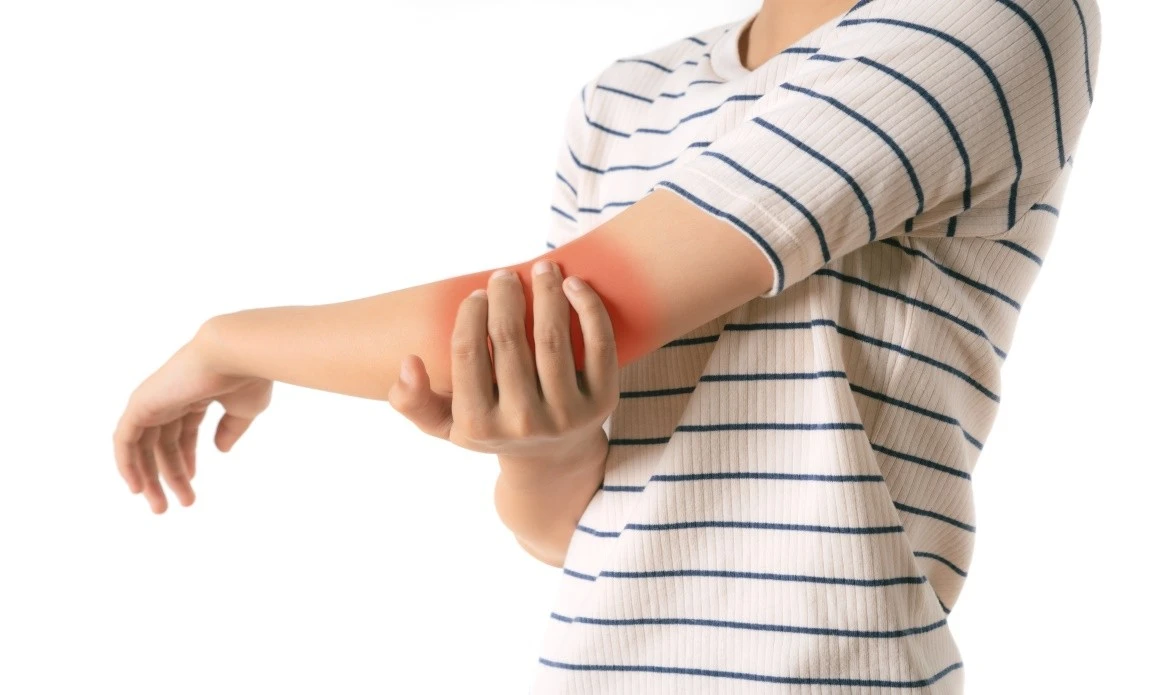
Are you feeling a persistent pain on the outside of your elbow, especially when you grip, lift, or twist something? You might be dealing with tennis elbow, a common condition known medically as lateral epicondylitis. Despite the name, you don’t have to be a tennis player to suffer from it. Office workers, tradespeople, and anyone who performs repetitive wrist and arm motions can be affected.
If you’re looking for a drug-free, non-surgical solution, chiropractic care at Agape Chiropractic Hong Kong offers an effective path to recovery. We focus on treating the root cause of your pain to provide lasting relief.
What Exactly is Tennis Elbow?
Tennis elbow is an overuse injury that causes inflammation or micro-tears in the tendons that connect your forearm muscles to the bony bump on the outside of your elbow (the lateral epicondyle). These tendons are crucial for extending your wrist.
Common symptoms include:
- Pain and tenderness on the outside of the elbow.
- Weakness when gripping objects.
- Pain that radiates down the forearm.
- Stiffness in the elbow, especially in the morning.
What Causes Tennis Elbow?
Tennis elbow develops from repeated strain on the tendon, which leads to small tears that don’t get the chance to fully heal. A few factors make it more likely:
- Age — it’s most common in adults between 30 and 60, and risk rises further after 40.
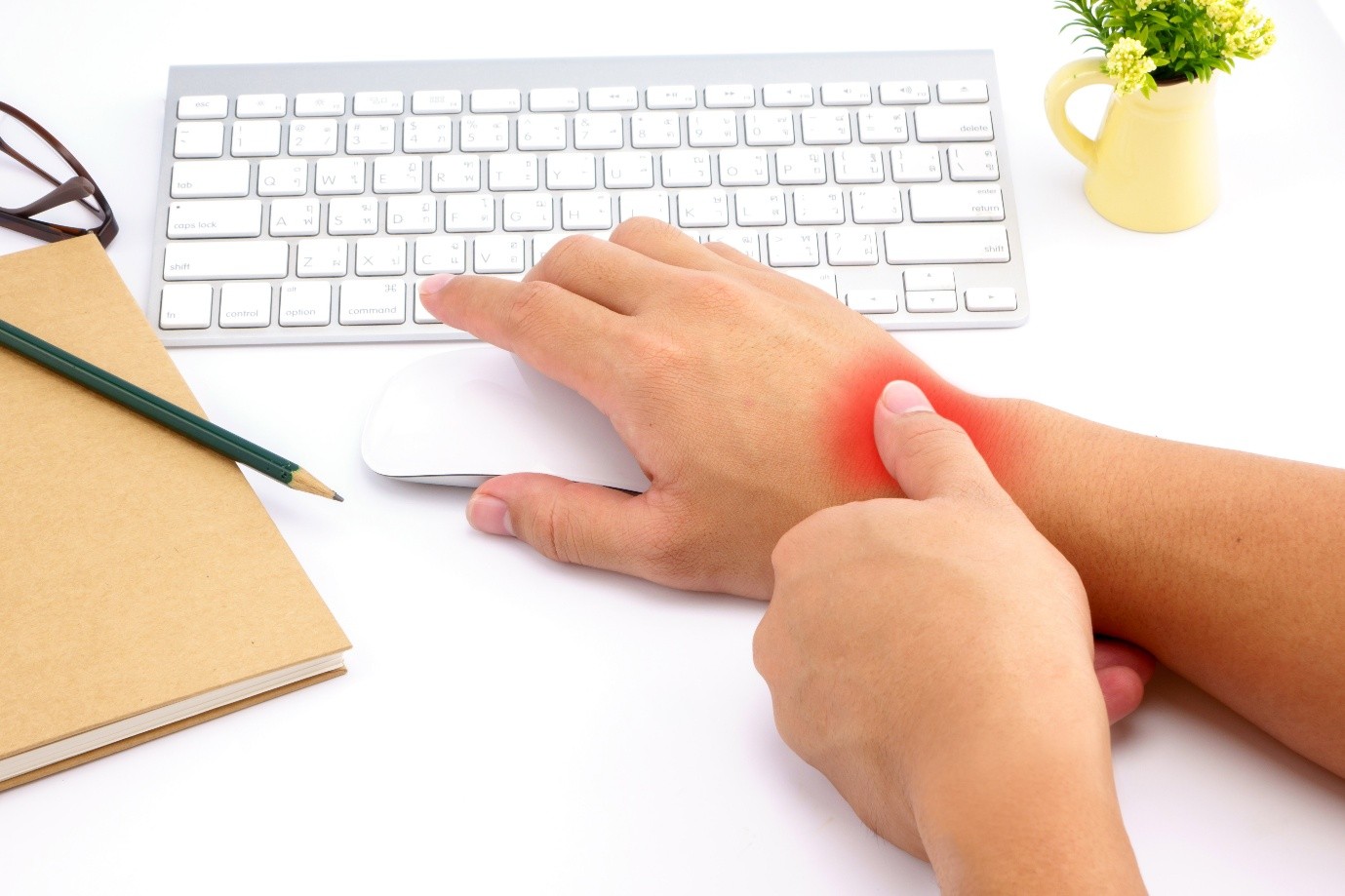
- Occupation — painters, plumbers, carpenters, butchers, and cooks are frequently affected, along with office workers who type or use a mouse for long hours.
- Racket sports technique — poor stroke technique, an improper grip size, or long sessions of play can strain the tendon in tennis, squash, or badminton players.
- Smoking — research has linked smoking history to a higher risk of developing the condition.
In many cases, there’s no single clear trigger, and the tendon simply wears down gradually from everyday repetitive use.
Tennis Elbow or Something Else?
Pain on the outside of the elbow is usually tennis elbow, but a few other conditions can feel similar and are worth knowing about. Golfer’s elbow (medial epicondylitis) causes a similar kind of pain on the inside of the elbow rather than the outside. Nerve compression in the neck or wrist, such as cervical radiculopathy or carpal tunnel syndrome, can also radiate pain into the forearm and mimic tennis elbow. This is exactly why a proper assessment matters before starting treatment, since treating the wrong structure won’t resolve the pain.
How Can Chiropractic Care Treat Tennis Elbow?
Chiropractors are specialists in diagnosing and treating musculoskeletal conditions. For tennis elbow, the goal is to reduce pain, promote healing, and restore full function while addressing the underlying biomechanical issues that led to the problem.
Your treatment at Agape Chiropractic Hong Kong will involve a comprehensive approach:
- Thorough Assessment and Diagnosis
We begin with a detailed consultation and physical examination to confirm that your pain is indeed tennis elbow and rule out other conditions, like nerve compression or joint dysfunction in the neck or shoulder that can mimic elbow pain. This ensures your treatment plan is precisely tailored to your needs. - Advanced Healing Modalities: Extracorporeal Shockwave Therapy (ESWT)
For persistent cases, we may recommend Extracorporeal Shockwave Therapy (ESWT). This non-invasive treatment uses acoustic waves to stimulate the body’s natural healing processes directly in the injured tendon. ESWT works by creating controlled microtrauma, which increases blood flow and promotes the formation of new blood vessels, essentially creating new channels for healing. This can effectively break down scar tissue, reduce pain, and kickstart the regeneration of healthy tendon tissue. - Targeted Soft Tissue Therapy
This is a cornerstone of tennis elbow treatment. Our chiropractors use specific techniques such as:- Instrument-Assisted Soft Tissue Mobilization (IASTM): To break down scar tissue and improve soft tissue flexibility.
- Myofascial Release and Trigger Point Therapy: To relax tight forearm muscles, reduce tension, and increase blood flow to the injured tendon, which is essential for healing.
- Joint Mobilization and Adjustments
Reduced mobility in the wrist, elbow, or even the shoulder can place extra strain on the forearm tendons. We use gentle, precise adjustments to restore proper joint function in these areas, alleviating stress on the injured tendon and improving your overall arm mechanics. - Rehabilitation, Support, and Strengthening
To support your healing in daily life, we provide guidance on adjunctive measures like using a tennis elbow brace (counter-force strap). Worn just below the elbow, this brace works on a simple biomechanical principle: by applying pressure to the forearm muscles, it creates a “shorter lever” for the tendon, reducing the force and stress placed on the injured attachment site during activity. This allows the tendon to rest and heal without complete inactivity.
Simply relieving pain isn’t enough for long-term recovery. We will prescribe a personalized set of eccentric strengthening and stretching exercises. These exercises are designed to gradually rebuild the strength and resilience of your forearm tendons and muscles, significantly reducing the risk of the injury recurring.
Self-Care Before Your Appointment
While you’re deciding whether to book an assessment, a few simple steps can help manage symptoms:
- Rest from the activity that aggravates it, rather than pushing through the pain.
- Ice the area for 15-20 minutes at a time in the first day or two to help with pain and inflammation.
- Gently stretch the forearm and wrist, avoiding anything that sharply increases pain.
- Avoid heavy gripping or lifting where possible until the initial soreness settles.
These steps can help mild cases, but tennis elbow often needs a more structured treatment plan once symptoms have been present for more than a couple of weeks.
When to See a Doctor or Chiropractor Promptly
Most tennis elbow responds well to conservative care, and it isn’t dangerous. A few situations are worth getting checked sooner rather than later:
- Sudden, severe pain following a direct blow or fall onto the elbow, which could indicate a fracture.
- Visible swelling, deformity, or an inability to move the elbow normally.
- Numbness or tingling spreading down the arm or into the hand.
- Pain that hasn’t improved at all after several weeks of rest and self-care.
Why Choose a Chiropractor for Tennis Elbow?
- Drug-Free and Non-Invasive: Avoid the potential side effects of pain medication and the risks of surgery or corticosteroid injections.
- Holistic Approach: We look beyond the site of pain to identify and correct contributing factors throughout the kinetic chain, from your neck and shoulder to your wrist.
- Advanced Technology: We incorporate modern therapies like ESWT to enhance healing for stubborn cases.
- Focus on Long-Term Health: Our goal isn’t just to mask your symptoms but to help you heal properly and prevent future episodes through education, exercise, and practical support.
What to Expect During Your Visit
At your first appointment, we will conduct a comprehensive assessment to understand your daily activities, pain patterns, and movement limitations. This follows the same structure as a standard first chiropractic visit, with extra attention paid to your wrist, elbow, and shoulder mechanics. Based on our findings, we will create a personalized treatment plan that may combine the techniques above. The number of sessions needed varies depending on the severity and chronicity of your condition, but most patients experience significant improvement within a few weeks of starting care.
Frequently Asked Questions
How long does tennis elbow take to heal?
Mild cases often improve within a few weeks with rest and conservative care. More established or chronic cases can take several months, particularly if the aggravating activity isn’t modified during treatment.
Can I still work or exercise with tennis elbow?
In most cases, yes, though the specific movement that aggravates it usually needs to be modified or temporarily reduced. A chiropractor can help you understand which activities to adjust while you recover.
Is tennis elbow the same as golfer’s elbow?
No. Tennis elbow affects the tendons on the outside of the elbow, while golfer’s elbow affects the tendons on the inside. The treatment approach is similar, but they involve different tendons.
Do I need an X-ray or scan for tennis elbow?
Not usually. Tennis elbow is typically diagnosed through a physical examination and your symptom history. Imaging is sometimes used if the diagnosis is unclear or symptoms don’t respond to initial treatment.
Can tennis elbow come back after treatment?
It can, particularly if the original aggravating activity resumes without any changes to technique, grip, or workstation setup. The strengthening and lifestyle guidance in treatment are aimed at reducing this risk.
Can a chiropractor in Hong Kong help with tennis elbow?
Yes, in most cases. A Hong Kong chiropractor can assess the wrist, elbow, and shoulder mechanics contributing to your pain, treat the affected tendon directly, and guide a structured recovery plan suited to your work and lifestyle.
Conclusion: Take Action Against Elbow Pain Today
Tennis elbow can be a frustrating barrier to your daily life and activities. However, with the right conservative care, it is highly treatable. Chiropractic care offers a safe, effective, and natural solution to not only ease your current pain but also to empower your body with the strength and mobility to prevent it from coming back.
Ready to Get Your Elbow Checked?
If persistent elbow pain is holding you back, our team can assess whether tennis elbow, or something else, is the cause and build a plan around it. You can reach us at 2777 3377 or message us on WhatsApp to book an assessment.
Are you suffering from sciatica? Check out our blog “How To Treat Sciatica“! For more information on chiropractic and other musculoskeletal conditions visit Agape Blogs.
Other Useful Links:
腳踭痛的解決方法