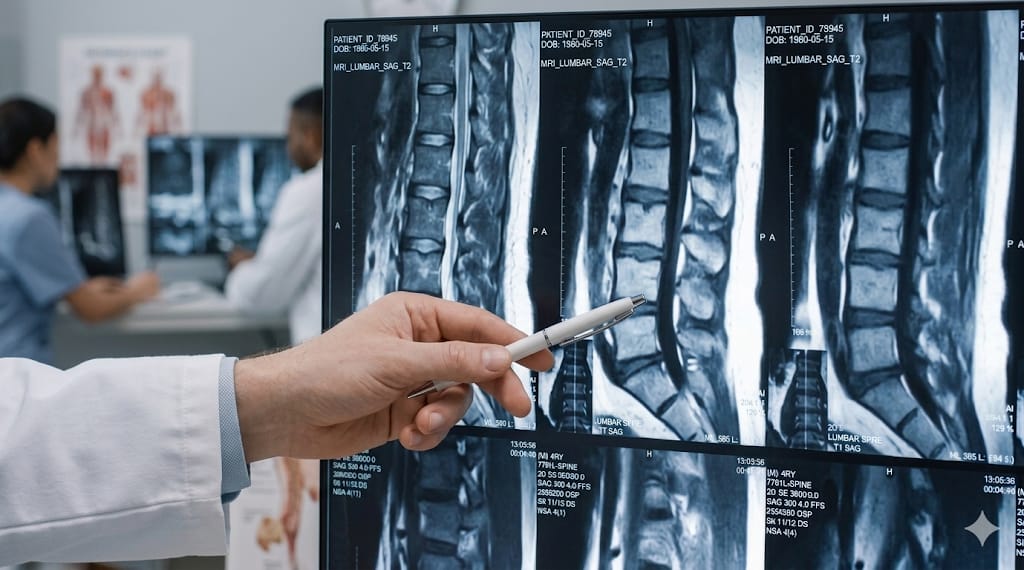
MRI Scan  Referral

MRI Scan
If you are seeking diagnostic medical imaging, such as an MRI scan, a referral from a qualified medical practitioner is often required. MRI scan referral is an important step that helps ensure that the correct scan is performed to evaluate your condition.

What is an MRI scan referral and why is it needed?

While MRI scans are generally considered safe and non-invasive, they are still a medical procedure. This means a healthcare professional needs to ensure that the scan is safe for each patient and that the patient receives appropriate information about their condition based on the scan results. An MRI scan referral is a letter that a referring clinician writes to an imaging centre, to provide:
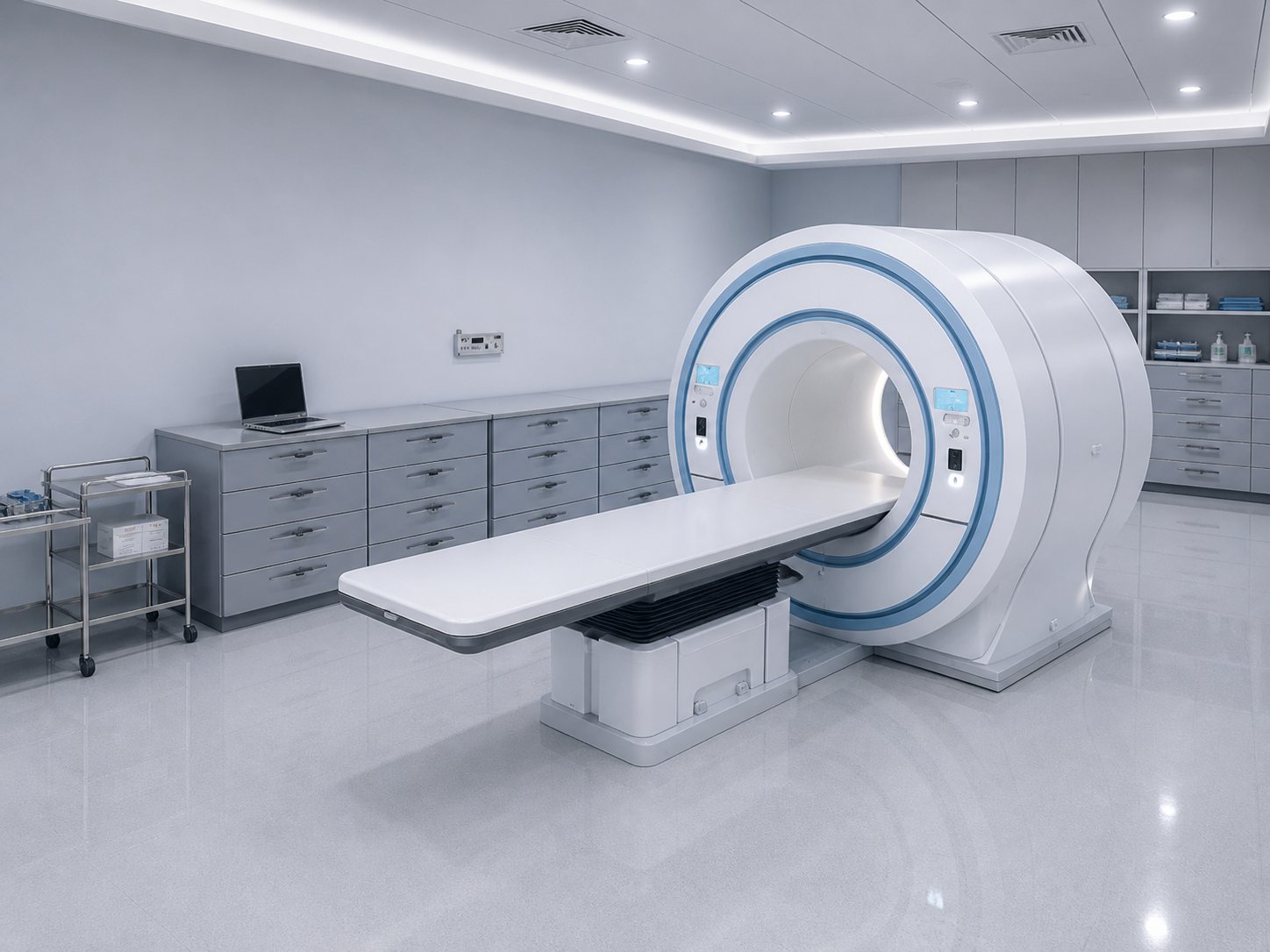
Here are the reasons why an MRI scan referral is required

Safety

An MRI is typically requested by a healthcare provider. It provides essential clinical information that technologists and radiologists use to properly screen you for safety and choose the right imaging protocols.

Accuracy

Our chiropractors will specify the clinical indication and body region. This helps the radiologist tailor imaging protocols and provide a clinically relevant report.

Medical necessity

Diagnostic imaging should be used when clinically indicated. A referral helps ensure the scan aligns with current evidence-based guidelines, which is a common need for insurance or health spending account claims.

What does an MRI referral look like?

An MRI referral usually includes the following:

Any contraindications (e.g. medical implantable devices or metal parts) would prevent someone from entering the scanner.

Benefits of consulting with a chiropractor before an MRI

Here is why a professional referral is needed:

Comprehensive evaluation

A chiropractor can conduct an in-depth evaluation of your symptoms, risk factors, and medical history to determine whether an MRI is the most appropriate test. In some cases, a simpler test may be a better option.

Personalized care

If an HK chiropractor orders the MRI, they will be able to coordinate the results with your treatment plan. They will review the radiologist’s report in the context of your symptoms and overall health.

Proper diagnosis

MRI results are interpreted by a trained radiologist, and should be integrated with clinical findings by your healthcare provider to guide diagnosis and management. A referral ensures that the correct area of concern is being tested and that the MRI results are part of a comprehensive diagnostic process.

How to get an MRI scan referral from a doctor?

If you want to get an MRI scan referral from your chiropractor, you need to take the following steps:
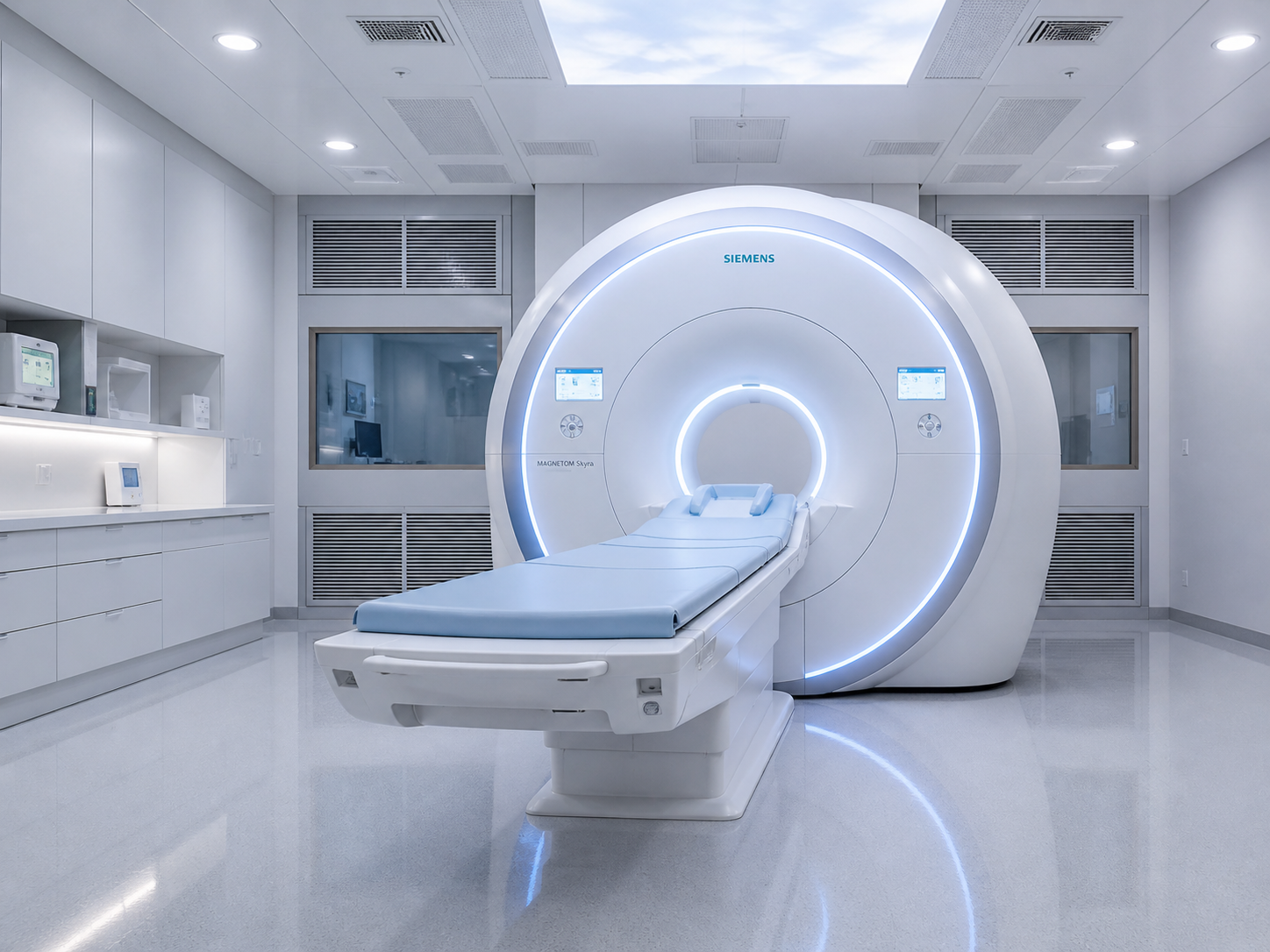
MRI Scan

How long does it take to get an MRI referral?

You can receive an MRI referral from your chiropractor immediately following appropriate clinical evaluation and if indicated in your specific case. If your chiropractor finds an urgent critical issue during the examination, they can write an urgent referral.

MRI vs X-ray: which imaging test do you need?

MRI and X-ray both have some advantages and limitations, and are indicated for different medical conditions. The most appropriate imaging method will depend on your specific medical needs and the part of your body requiring examination. Chiropractors at Agape Chiropractic Hong Kong will recommend the most appropriate imaging method for you to support an accurate and evidence-based diagnosis.

When is an MRI referral required in the context of a chiropractic visit?

MRI is not routinely recommended as a first‑line investigation for most musculoskeletal spine complaints. Current clinical guidelines support the use of MRI only when findings are likely to change management, or when there is concern for serious underlying pathology. In a chiropractic setting, an MRI may be recommended when clinical features suggest a specific condition where advanced imaging is considered appropriate. These include:

Disc injury / disc degeneration

Intervertebral discs sit between the spinal bones and act as shock absorbers. With aging or injury, discs may show changes such as reduced hydration, bulging, or herniation. Importantly, disc degeneration is very common in people without pain or symptoms. For most individuals, management is conservative and may include education, exercise, activity modification, and, where appropriate, medication. MRI may be indicated when symptoms are persistent, progressive, severe, or associated with neurological signs, to assess disc and surrounding structures. Imaging findings should always be interpreted in the context of clinical presentation, as many disc changes are incidental. (You can also read our blog to know how a herniated disc heals naturally.)

Suspected spinal dislocation or acute trauma

Suspected dislocations or traumatic injuries involving the neck or back require urgent medical assessment. In acute trauma, initial imaging is typically performed with X‑ray or CT scans to assess bony injury. MRI may be used subsequently when there is concern for ligamentous injury, disc damage, spinal cord involvement, or ongoing neurological symptoms.

Vertebral compression fractures

Compression fractures occur when a vertebral body collapses, often related to osteoporosis or trauma. They may cause significant pain, spinal deformity, or height loss and most commonly affect the mid‑thoracic spine. MRI can be useful to determine fracture acuity, assess surrounding soft tissue, and rule out serious pathology. Osteoporosis is generally evaluated with bone density testing, and patients are appropriately referred for medical management when indicated.

Spinal stenosis

Spinal stenosis refers to narrowing of the spinal canal or nerve passageways, which may contribute to pain, numbness, tingling, or weakness. Contributing factors include disc bulging, ligament thickening, bony overgrowth, or, rarely, tumors. MRI may be used to evaluate these structures when symptoms are functionally limiting or progressive. It is important to note that radiological stenosis does not always correlate with symptoms, and imaging must be interpreted alongside a thorough clinical assessment.

Get an MRI Referral from a Chiropractor

If you are looking for an MRI referral, you can reach out to Agape Chiropractic Hong Kong. Our doctors can assist you with obtaining an MRI scan referral when clinically appropriate.

Frame
Hong Kong Central Chiropractor