Nerve-Related Conditions Treated by Chiropractors

Sciatica

What is sciatica?

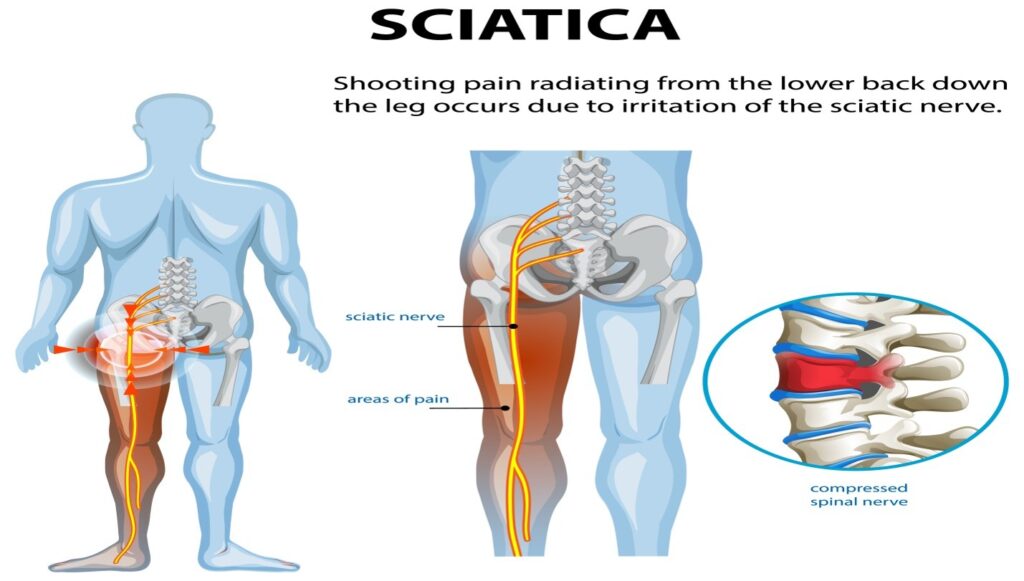
Irritation or compression affecting the sciatic nerve or lower back nerve roots can lead to sciatica. Apart from pain, it also involves tingling or numbness in your buttocks or back that may travel down your leg. Many adults experience sciatica at some point in their lives. It is one of the most common causes of radiating leg pain. –

What causes sciatica?

While you can’t always prevent cervical root syndrome, there are certain ways to reduce the risk:
  • Maintain good posture while working on computers. Your monitor should be adjusted to eye level to avoid hunching. Use an upright chair to keep your feet flat on the floor.
  • Hold your phone up to eye level instead of looking down.
  • You can use a cervical pillow to keep your head and neck aligned with your spine.

Which part of the body does sciatica affect?

If you experience sciatica pain, you may notice pain in your buttocks, lower back, and the back of your leg, usually on one side of the body.

Can sciatica cause numbness or weakness?

Yes. Sciatica can cause numbness or weakness. These symptoms occur when the sciatic nerve becomes compressed or irritated. Nerve irritation or compression can affect how signals travel between your muscles and your brain. When this happens, you may experience:

  • A pins-and-needles sensation, a burning sensation, or loss of feeling in the leg, foot, or ankle.
  • Difficulty lifting your toes, moving your foot, or weakness in your knees.

When should I see a chiropractor for sciatica?

If you have any of the following warning signs, you may need to see a chiropractor HK:

  • Severe pain: If radiating leg pain prevents you from exercising, walking, sleeping, or enjoying your hobbies, you may want to consult with a chiropractor. If you have already tried various home remedies and exercises for sciatica pain, we can assess your condition and symptoms to help identify possible contributing factors.
  • Nerve pain: Nerve pain may occur due to irritation or compression affecting the sciatic nerve. Sciatica comes with nerve pain that radiates from your lower back to your leg and foot.
  • Numbness and tingling: Nerve root compression can also lead to numbness or a tingling sensation in your lower back, leg, hip, or foot. If you experience a tingling sensation that travels down to your lower leg or foot, you may benefit from an assessment by a chiropractor.
    Reduced range of motion: Sciatic nerve irritation can also reduce the range of motion in your back and spine. If you have difficulty lifting your legs, bending at the waist, walking, running, or exercising due to back pain or stiffness, we can help.

If you are interested in knowing how to treat sciatica with a chiropractic approach, you can read our previous blog on treatment methods used to treat this condition.

Cervical Radiculopathy

What is cervical radiculopathy?

Cervical radiculopathy or cervical nerve entrapment is a condition involving neurological symptoms associated with irritation or compression of one of the nerve roots in the cervical spine.

How to prevent cervical radiculopathy?

While you can’t always prevent cervical root syndrome, there are certain ways to reduce the risk:

  •  Maintain good posture while working on computers. Your monitor should be adjusted to eye level to avoid hunching. Use an upright chair to keep your feet flat on the floor.
  • Hold your phone up to eye level instead of looking down.
  • You can use a cervical pillow to keep your head and neck aligned with your spine.

How to treat cervical radiculopathy?

Cervical nerve root compression can be treated using different chiropractic methods, including spinal manipulation, therapeutic exercises, and lifestyle changes.

  • Spinal manipulation: Spinal manipulation is performed using manual techniques that may help improve spinal mobility and reduce symptoms associated with cervical nerve irritation. Chiropractors may use this form of manual therapy as part of conservative care for cervical nerve-related symptoms.
  • Therapeutic exercise: By practicing specific stretches and exercises that target affected areas, you can help improve range of motion and reduce pain over time.
  • Lifestyle adjustments: In some cases, we may also recommend lifestyle changes to help promote healing and prevent future episodes of cervical nerve root irritation. This may include using ergonomic techniques when exercising or working.

Overall, there are different methods that a chiropractor may use to help relieve the pain of a compressed cervical nerve.

Cervical radiculopathy how long to heal?

Recovery from cervical radicular syndrome varies depending on the severity of the condition and the individual’s response to conservative care. Many individuals start to see improvement within a few weeks. However, recovery timelines vary depending on symptom severity and contributing factors. Consistency with your chiropractic session and adherence to your home exercise program are crucial to achieve the best outcome.

When should I see a chiropractor for sciatica?

If you have any of the following warning signs, you may need to see a chiropractor HK:

  • Severe pain: If radiating leg pain prevents you from exercising, walking, sleeping, or enjoying your hobbies, you may want to consult with a chiropractor. If you have already tried various home remedies and exercises for sciatica pain, we can assess your condition and symptoms to help identify possible contributing factors.
  • Nerve pain: Nerve pain may occur due to irritation or compression affecting the sciatic nerve. Sciatica comes with nerve pain that radiates from your lower back to your leg and foot.
  • Numbness and tingling: Nerve root compression can also lead to numbness or a tingling sensation in your lower back, leg, hip, or foot. If you experience a tingling sensation that travels down to your lower leg or foot, you may benefit from an assessment by a chiropractor.
    Reduced range of motion: Sciatic nerve irritation can also reduce the range of motion in your back and spine. If you have difficulty lifting your legs, bending at the waist, walking, running, or exercising due to back pain or stiffness, we can help.

If you are interested in knowing how to treat sciatica with a chiropractic approach, you can read our previous blog on treatment methods used to treat this condition.

Thoracic Outlet Syndrome
Thoracic outlet compression syndrome (TOS) occurs when the blood vessels or nerves in your lower neck and upper chest are compressed.

How is thoracic outlet syndrome diagnosed?

A chiropractor will conduct a physical exam and review your medical history to diagnose TOS. As a part of the exam, you’ll be asked to do movement-based tests, including:

  • Upper limb tension test
  • Elevated arm stress test


For these tests, you may be asked to lift your arms, clench your fists, and tilt your head. We’ll assess which movements reproduce or aggravate symptoms.
How to treat thoracic outlet syndrome?

  • Chiropractors may use joint manipulation and mobilization techniques to help improve range of motion, movement tolerance, and pain.
  • Chiropractors may also use soft tissue therapy and stretching exercises to address muscle tightness and movement restrictions.
  • Poor posture also contributes to thoracic outlet compression syndrome. Chiropractors at Agape Chiropractic Hong Kong address this issue by offering postural correction guidance and rehabilitation exercises.
Pronator Teres Syndrome

What is pronator teres syndrome?

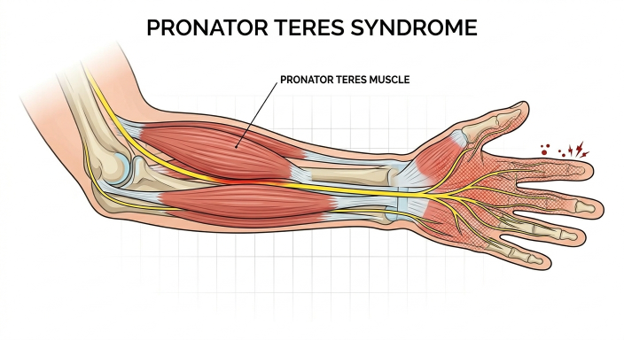
Pronator teres syndrome (pronator teres nerve compression) is a condition where the median nerve is squeezed near the elbow, causing pain, tingling, or numbness in the forearm and hand, especially in the thumb, index, and middle fingers. It often happens due to repetitive movements or twisting of the forearm.

How can a chiropractor help with pronator teres syndrome?

A chiropractor can help with pronator teres syndrome by reducing irritation around the median nerve, stretching and loosening tight forearm muscles, addressing posture, ergonomics, and movement-related factors, and teaching exercises to strengthen the arm and prevent future pain. They may also use heat, massage, or gentle therapy to reduce discomfort.

Cubital Tunnel Syndrome

What causes cubital tunnel syndrome?

Cubital tunnel entrapment is caused by pressure or stretching of the ulnar nerve at the elbow. Common causes include:

  • Repetitive bending of the elbow: like talking on the phone, typing, or lifting.
  • Leaning on the elbow for long periods: resting your arm on hard surfaces can pinch the nerve.
  • Injury or trauma to the elbow: a fracture or dislocation can affect the nerve.
  • Anatomical factors: sometimes the tunnel through which the nerve passes is naturally narrow.
  • Swelling or inflammation:  from arthritis or other conditions that put pressure on the nerve.

How long does cubital tunnel syndrome last?

The duration of Ulnar nerve entrapment can vary depending on its severity and treatment:

  •  Mild cases – If caught early and treated with rest, avoiding pressure on the elbow, and simple exercises, symptoms may improve in a few weeks to a couple of months.
  • Moderate cases – Symptoms like numbness or tingling may persist for several months, especially if activity modifications and therapy are needed.
  •  Severe cases – If there is significant nerve damage or muscle weakness, recovery may take many months, and surgery might be required for lasting relief.

How to treat cubital tunnel syndrome?

A chiropractor can help treat cubital tunnel syndrome by focusing on relieving pressure on the ulnar nerve and improving arm function. Common approaches include:


  1. Gentle adjustments:  Manual therapy targeting the elbow, wrist, and shoulder may help improve movement and reduce irritation around the nerve.
  2. Soft tissue therapy: Massage and stretching of the forearm and upper arm muscles may help reduce muscle tightness and irritation around the nerve.
  3. Nerve gliding exercises: Gentle exercises move the ulnar nerve through its pathway to reduce irritation.
  4. Posture and activity advice: Chiropractors teach how to avoid leaning on the elbow or bending it excessively.
Carpal tunnel syndrome

What is carpal tunnel syndrome?

Carpal tunnel syndrome occurs when the median nerve in the wrist gets squeezed, causing pain, numbness, or tingling in the thumb, index, and middle fingers.

Carpal tunnel syndrome symptoms

Carpal tunnel syndrome symptoms include numbness, tingling, or pain in the thumb, index, and middle fingers, a weak grip, and difficulty holding objects.

Carpal tunnel syndrome causes

  • Repetitive hand movements (typing, writing, using tools)
  • Wrist injury or fracture
  • Swelling from arthritis or pregnancy
  • Diabetes or thyroid problems
  • Genetics (narrow wrist canal)

Is chiropractic treatment effective for carpal tunnel syndrome?

Conservative chiropractic care may help some people with carpal tunnel syndrome, especially in mild to moderate cases. Techniques like wrist and hand manual therapy, soft tissue therapy, nerve gliding exercises, and posture advice may help reduce symptoms and improve function.
Lumbar Radiculopathy

What is lumbar radiculopathy?

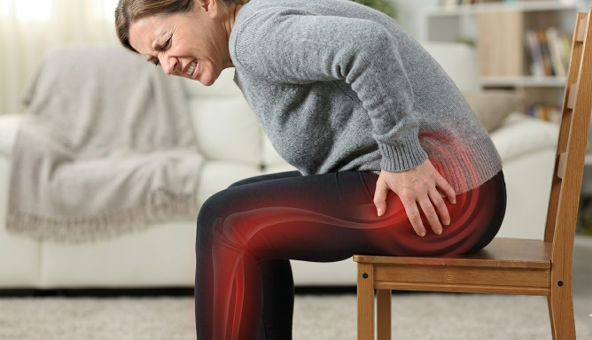
Lumbar nerve root compression is a condition where a nerve in the lower back is compressed or irritated, often by a herniated disc, bone spur, or spinal narrowing. This may cause pain, numbness, tingling, or weakness that can travel down the leg or foot along the path of the affected nerve.

Lumbar radiculopathy causes include:
  • Herniated discs
  • Spinal narrowing (stenosis)
  • Bone spurs
  • Disc degeneration
  • Injuries or trauma
Piriformis Syndrome
Piriformis Syndrome

What are the symptoms of piriformis syndrome?

  • Pain, tingling, or numbness in the buttocks
  • Pain that radiates down the back of the leg
  • Difficulty sitting for long periods
  • Hip or lower back discomfort
  • Worsening pain with walking, running, or climbing stairs

What triggers piriformis syndrome?

  • Prolonged sitting
  • Overuse of hip muscles
  • Muscle strain or injury
  • Poor posture
  • Leg length differences
  • Scar tissue or previous surgery

How long to heal piriformis entrapment syndrome?

  • Mild cases: With rest, stretching, and exercises, symptoms may improve in a few days to 2–3 weeks.
  • Moderate cases: Pain and tightness may take 4–6 weeks to improve significantly with consistent therapy.
  • Severe or chronic cases: Recovery may take 2–3 months or longer.

How can a chiropractor help with piriformis syndrome?

Chiropractic treatment for piriformis syndrome:

  • Help reduce irritation affecting the sciatic nerve
  • Loosen the tight piriformis and hip muscles
  • Improve spinal and pelvic mobility
  • Teach stretches and strengthening exercises
  • Provide posture and movement guidance to prevent recurrence
Femoral Nerve Palsy
Femoral Nerve Palsy

What Are the Symptoms of Femoral Nerve Palsy?

Symptoms of femoral nerve palsy include:

  • Weakness in the thigh muscles, especially the quadriceps
  • Difficulty straightening the knee or walking
  • Numbness or tingling in the front and inner thigh
  • Pain in the hip, groin, or thigh
  • Instability while standing or walking


Because femoral nerve palsy can sometimes be associated with underlying neurological or medical conditions, a medical evaluation may be recommended before starting conservative care.

Femoral nerve palsy treatment

Conservative care for femoral nerve palsy may include:

  • Manual therapy
  • Strengthening exercises
  • Posture and movement guidance
Meralgia Paresthetica

What is meralgia paresthetica?

Meralgia paresthetica is a condition where the lateral femoral cutaneous nerve becomes compressed or pinched.

What causes meralgia paresthetica?

It often happens due to:

  • Tight clothing or belts
  • Obesity
  • Pregnancy
  • Prolonged standing or walking
  • Nerve compression from scar tissue or trauma

How to treat meralgia paresthetica with chiropractic care?

  • Manual therapy and exercises aimed at improving movement in the lower back, pelvis, and hips and reducing mechanical irritation around the nerve.
  • Myofascial release for tight hip flexors, outer thigh muscles, and glutes.
  • Strengthening exercises targeting the thigh and hip muscles to improve support.
  • Advice on walking, sitting, and avoiding prolonged pressure on the waist or hips.
Tarsal Tunnel Syndrome

What is tarsal tunnel syndrome?

Tarsal tunnel syndrome is a condition where the tibial nerve is compressed as it passes through the tarsal tunnel on the inside of the ankle.

What causes tarsal tunnel syndrome?

Common triggers include:

  • Flat feet or overpronation
  • Ankle injuries or swelling
  • Repetitive stress from walking, running, or standing

How to treat tarsal tunnel syndrome?

  • Avoid prolonged standing, walking, or activities that worsen symptoms.
  • Shoe inserts can reduce pressure on the tibial nerve.
  • Exercises focused on the foot, ankle, and calf muscles may help improve support and mobility.
  • Chiropractic care may include manual therapy for the ankle, foot, and lower back, soft tissue therapy, and posture/movement advice.
Morton Neuroma
Morton Neuroma

What is Morton's Neuroma?

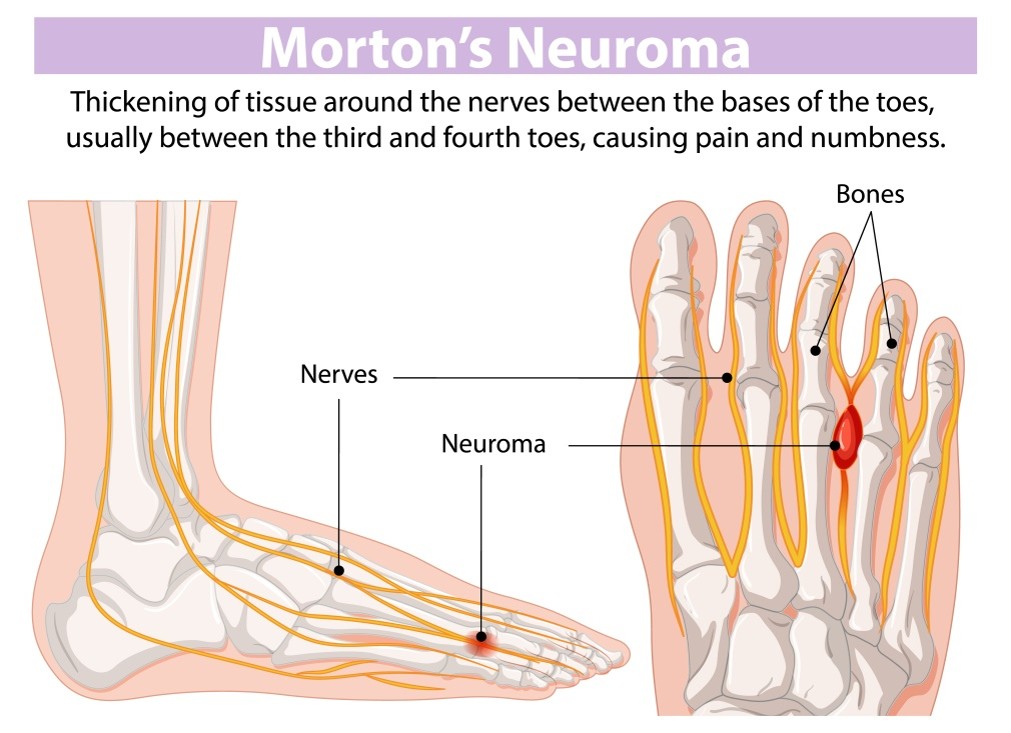
Morton’s neuroma is a condition where a nerve between the toes, usually between the third and fourth toes, becomes thickened or irritated.

How to relieve Morton's Neuroma pain?

Common approaches include:

  • Improving foot mechanics to reduce stress on the forefoot and the affected nerve.
  • Myofascial release to release tight muscles in the foot and toes.
  • Exercises for the foot and calf may help improve support and reduce nerve irritation.
  • Advice on walking, standing, and footwear to minimize pressure on the ball of the foot.
  • Custom shoe inserts to relieve pressure on the affected nerve.
Fibular Tunnel Syndrome

What is Fibular Tunnel Syndrome?

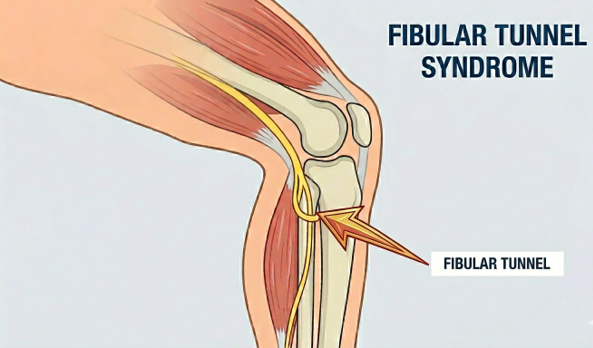
Fibular tunnel syndrome (also called common peroneal nerve entrapment) is a condition in which the fibular nerve gets compressed or pinched near the outside of the knee, around the fibular head.

Is Chiropractic Care Safe for Fibular Nerve Entrapment?

Yes, chiropractic care is generally safe for fibular nerve entrapment when performed by a trained professional. Chiropractors focus on helping reduce irritation around the fibular nerve, improving lower limb mobility and movement mechanics, and relieving muscle tension.

Frame
Hong Kong Central Chiropractor