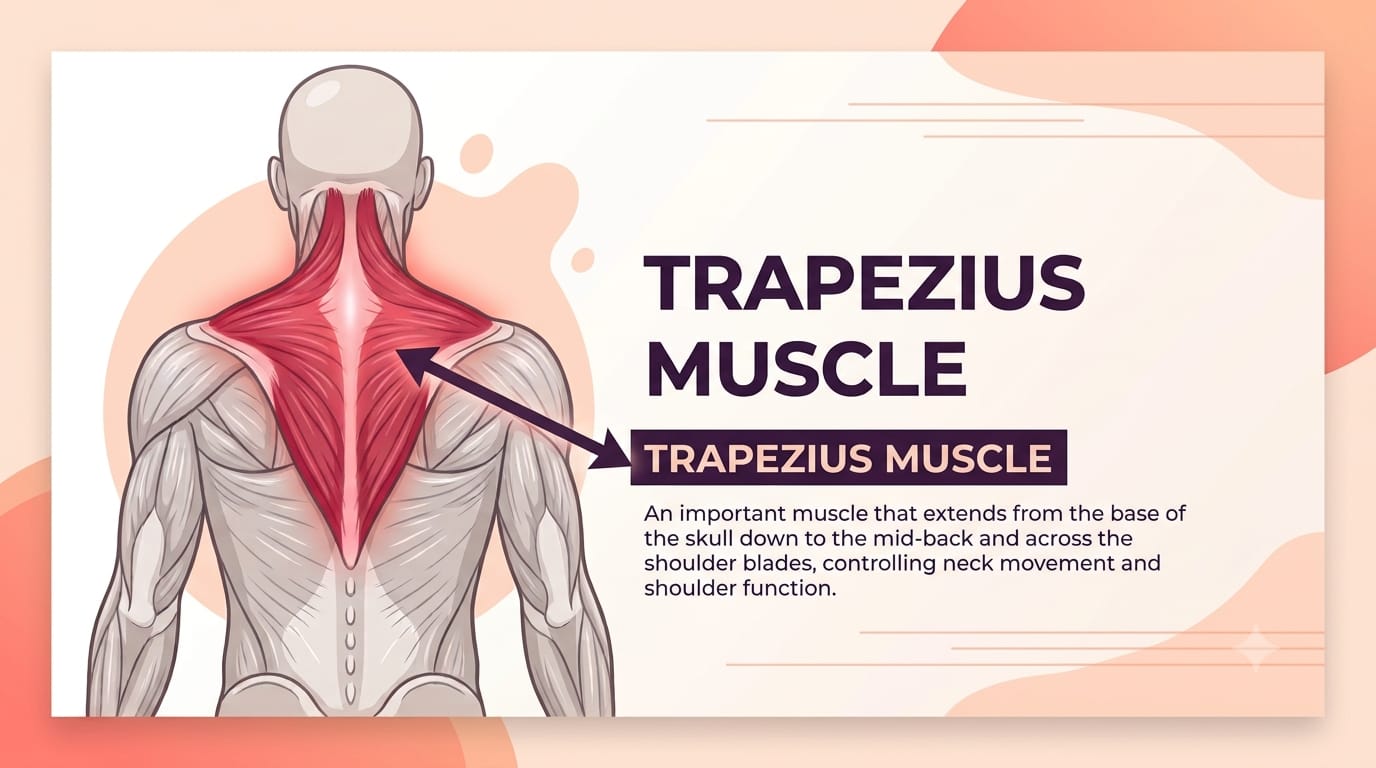
The trapezius muscle is known as one of the most important and large muscles of the upper body. It extends from the skull base, down the neck, across the shoulders, and into the upper and middle back. The trapezius plays an important role in neck movement, posture, stabilization of the shoulder blades, and shoulder function during daily activities.
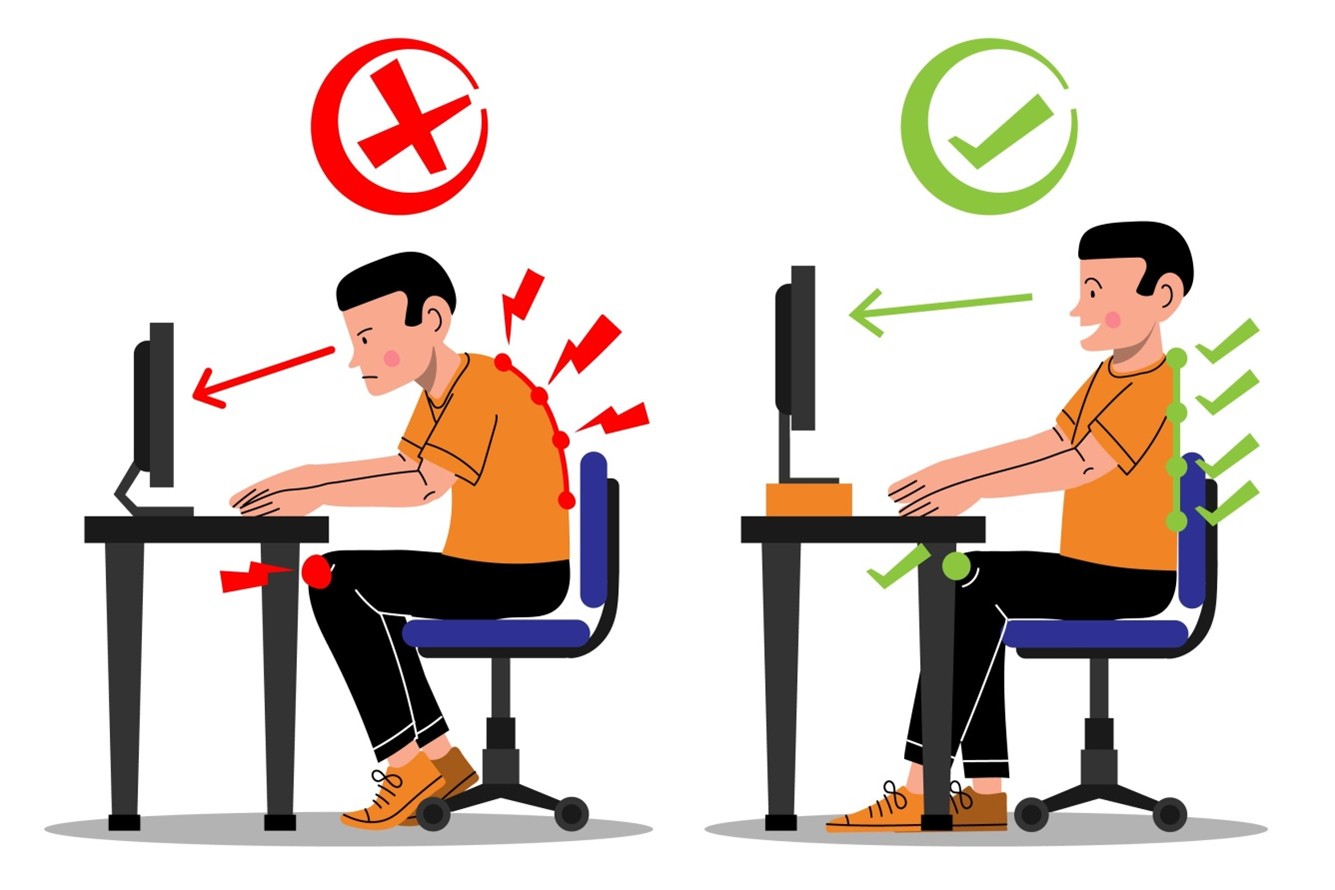
The trapezius is used everyday when exercising, but also during activities of daily living. It is a frequent source of stiffness and pain. This could in part be explained by the long hours we all spend looking down at our phones, computers, and sitting at work. These may be associated with uncomfortable, sore and stiff shoulders, as well as neck pain.
Understanding the symptoms indicating a possible trapezius pain can help guide a faster recovery. For individuals experiencing ongoing neck and shoulder discomfort, chiropractic care may form part of a conservative, non-invasive management approach alongside exercise, lifestyle modification, and other evidence-based treatment methods.
What is the Trapezius Muscle?
The trapezius muscle is a large muscle divided into three functional regions:
Upper Trapezius
Upper Trapezius– Works to elevate and tilt the head, elevates and rotates the scapula superiorly, and assists in supporting and positioning the shoulder girdle.
Middle Trapezius
Middle Trapezius– Works to retract and stabilize the scapula.
Lower Trapezius
The lower trapezius contributes to shoulder blade control and to the stabilization of the torso, and acts synergistically with other muscles in overhead movements.
What Does the Trapezius Muscle Do?
The trapezius helps with the following:
- elevation of the shoulders
- shoulder blade stabilization
- neck movements
- upper body posture and integration of arm and shoulder movement along with the shoulder girdle.
The middle trapezius helps draw the shoulder blades back and stabilizing the scapulae during arm elevation.
Where is the Trapezius Muscle Located?
The trapezius is situated at the back of the neck, the top of the shoulders, and the upper back. It is one large diamond-shaped muscle that attaches to the head, neck, shoulders, and thoracic spine.
Common Trapezius Muscle Problems
Trapezius Pain and Tightness
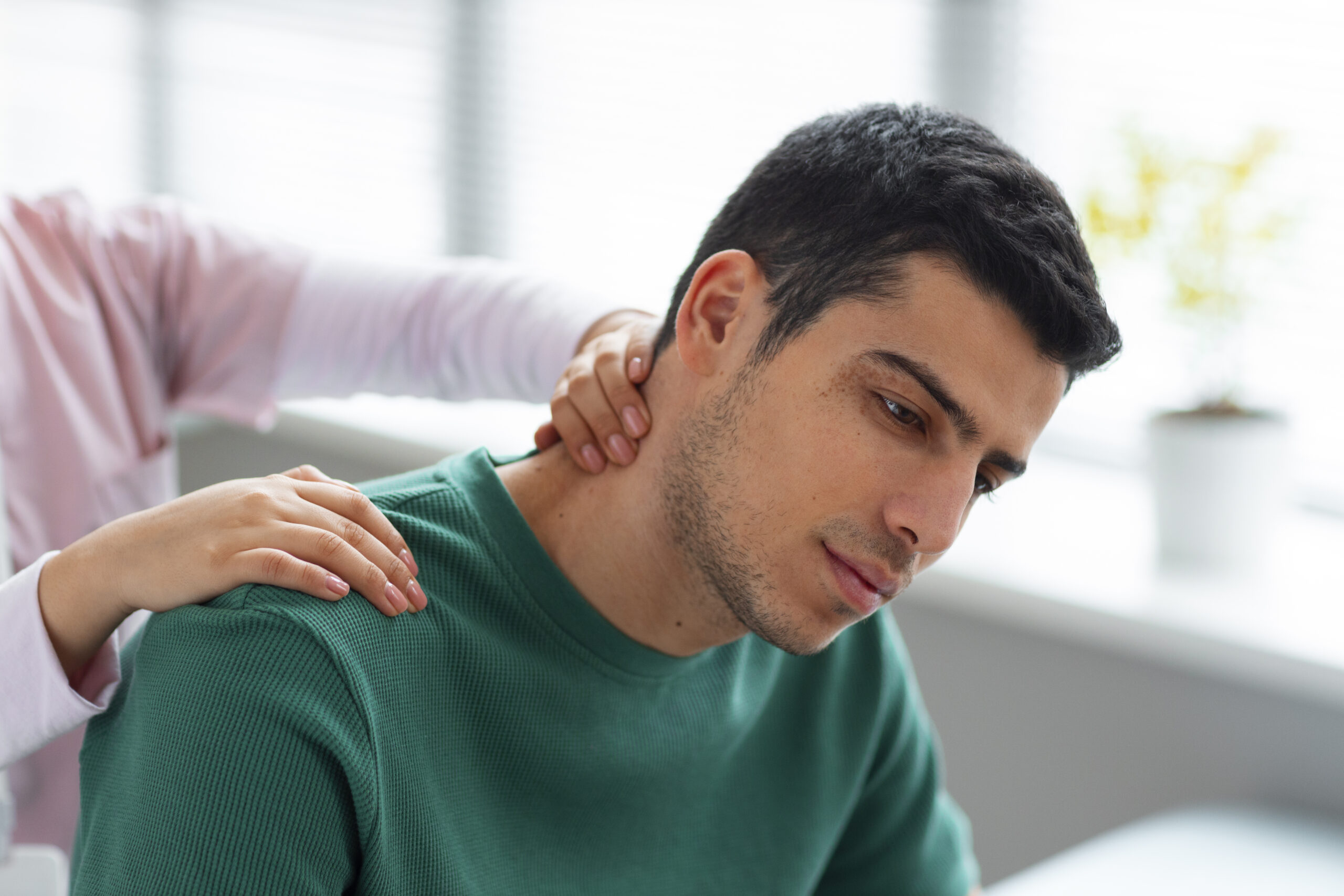
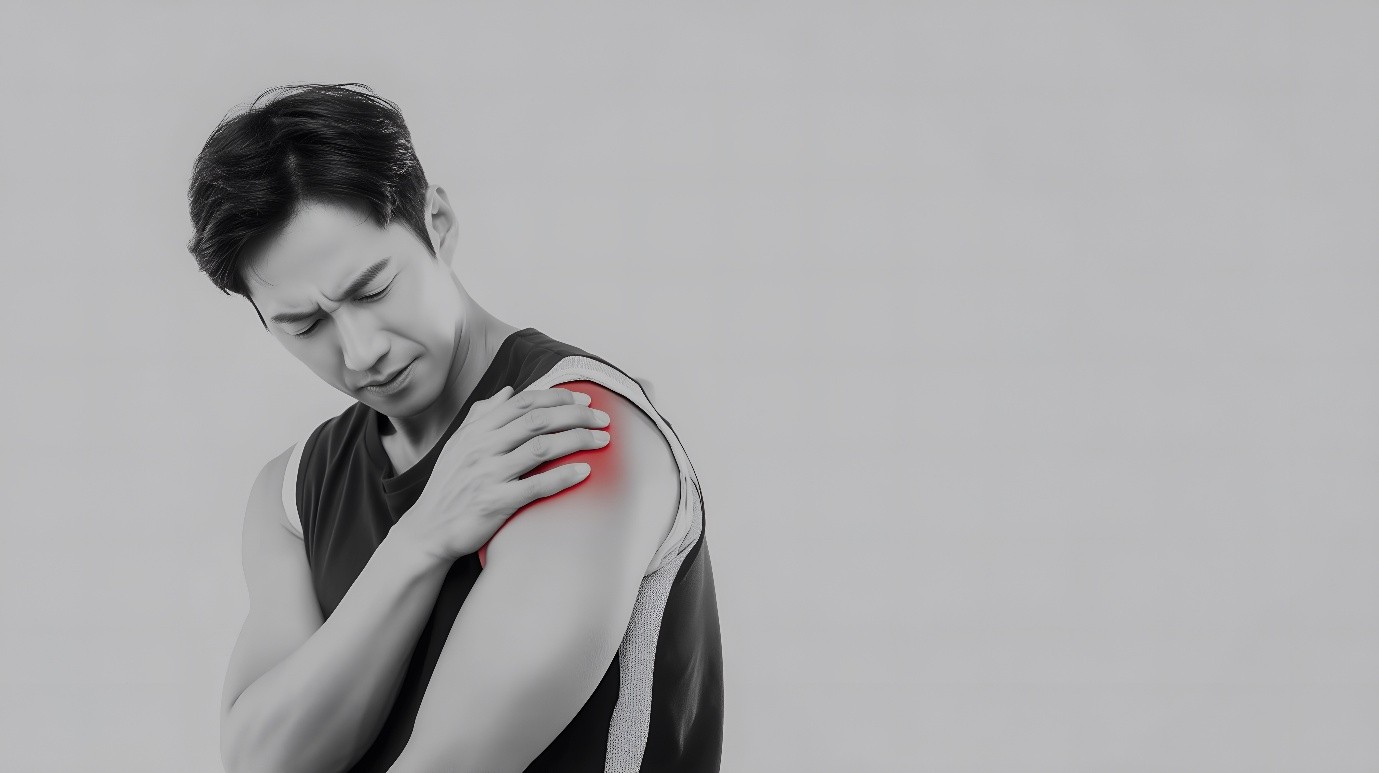
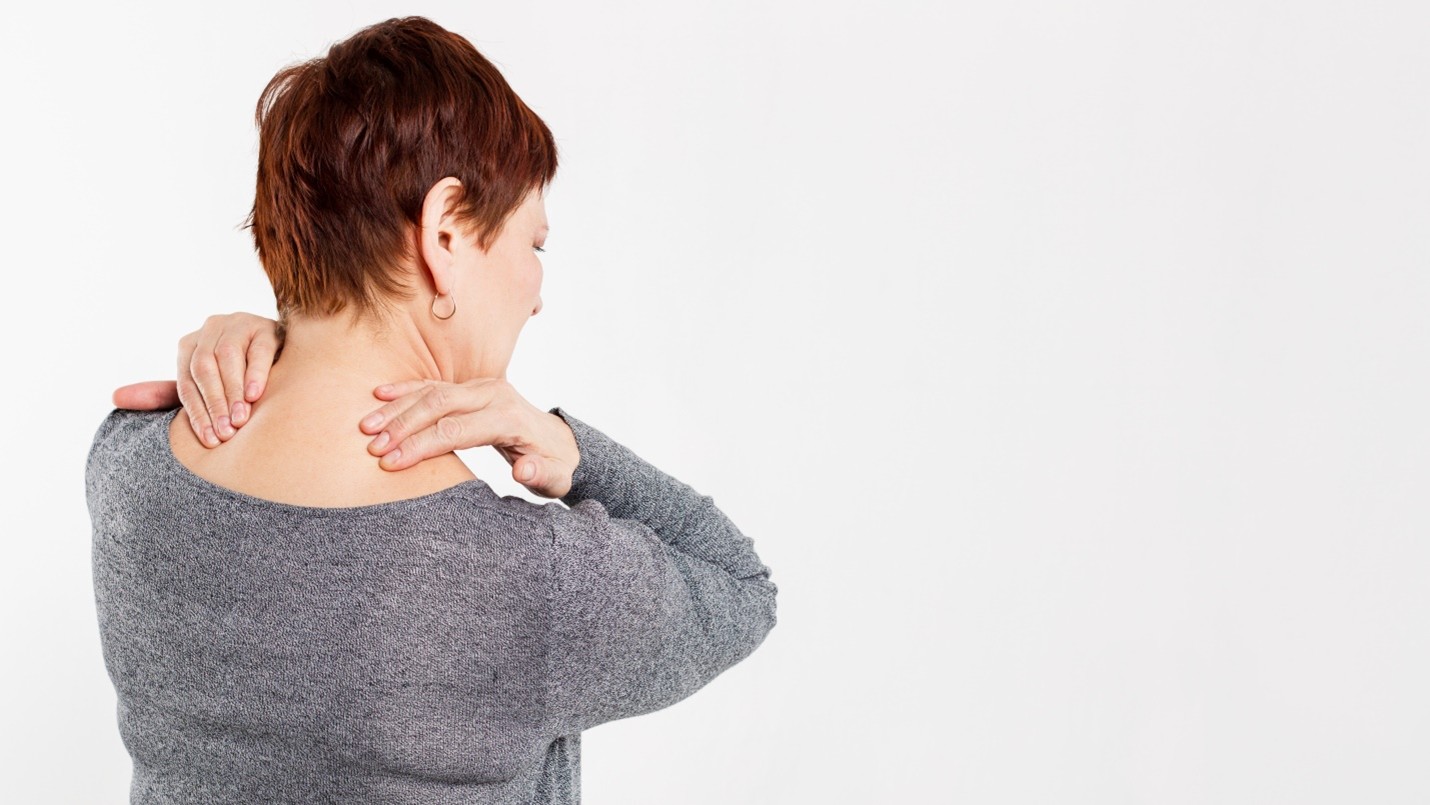
Trapezius pain is a common musculoskeletal complaint involving the neck and shoulder region.
Symptoms may include:
- Aching discomfort
- Muscle tightness
- Shoulder stiffness
- Tenderness
- Fatigue in the upper back
Upper Trapezius Pain
The upper trapezius is quite commonly involved as it can easily be overworked due to sitting for long periods of time, using the computer, emotional stress, or due to activities requiring repeated movement.
Left Trapezius Pain
Pain may occur in the left trapezius muscle as a result of overuse of muscle groups, postural problems, sports, and or uneven movement patterns. The diagnosis can not be made based on location alone.
Trapezius Tightness
Many individuals report tightness or a feeling of weight around their neck and shoulders. This is influenced by physical activities, stress, movement patterns, sleeping posture, or sustained positions/postures.
Trapezius Inflammation
Patients typically characterize trapezius pain as an “inflammation” or “swelling”. In many cases, symptoms are not due to true inflammation, but rather muscle overload, strain, or increased sensitivity of soft tissues.
Common symptoms may include:
- Local tenderness
- Pain during movement
- Reduced flexibility
- Increased discomfort after activity
How Long Does Trapezius Inflammation Take to Heal?
The time it takes for trapezius-related pain or strain to heal may vary significantly depending on symptom duration, cause, and level of activity. Minor strains may recover over days to weeks, whereas more persistent and/or recurring conditions may need extensive rehabilitation.
What is a Trapezius Strain?
A trapezius strain can occur when the muscle fibres are injured or when the muscle is subjected to sudden movements or repetitive loading during sports or lifting activities.
Symptoms can include:
- Sharp or aching pain
- Tenderness
- Temporary weakness
- Pain with movement
Myofascial Trapezius Pain Patterns
Trapezius Trigger Points
Trigger points are sensitive regions of muscles that may reproduce the patient’s local or referred pain when compressed. Trigger points on the upper trapezius muscle are very common.
Trapezius Myofascial Pain Syndrome
Myofascial pain syndrome refers to a persistent musculoskeletal pain condition involving muscle sensitivity and trigger points.
Hard Lumps or Swelling
Some people notice hard areas or “knots” within the trapezius muscle. These may represent areas of muscle tension or soft tissue sensitivity. However, persistent swelling, enlarging masses, or unexplained lumps should be medically assessed.
Causes of trapezius pain
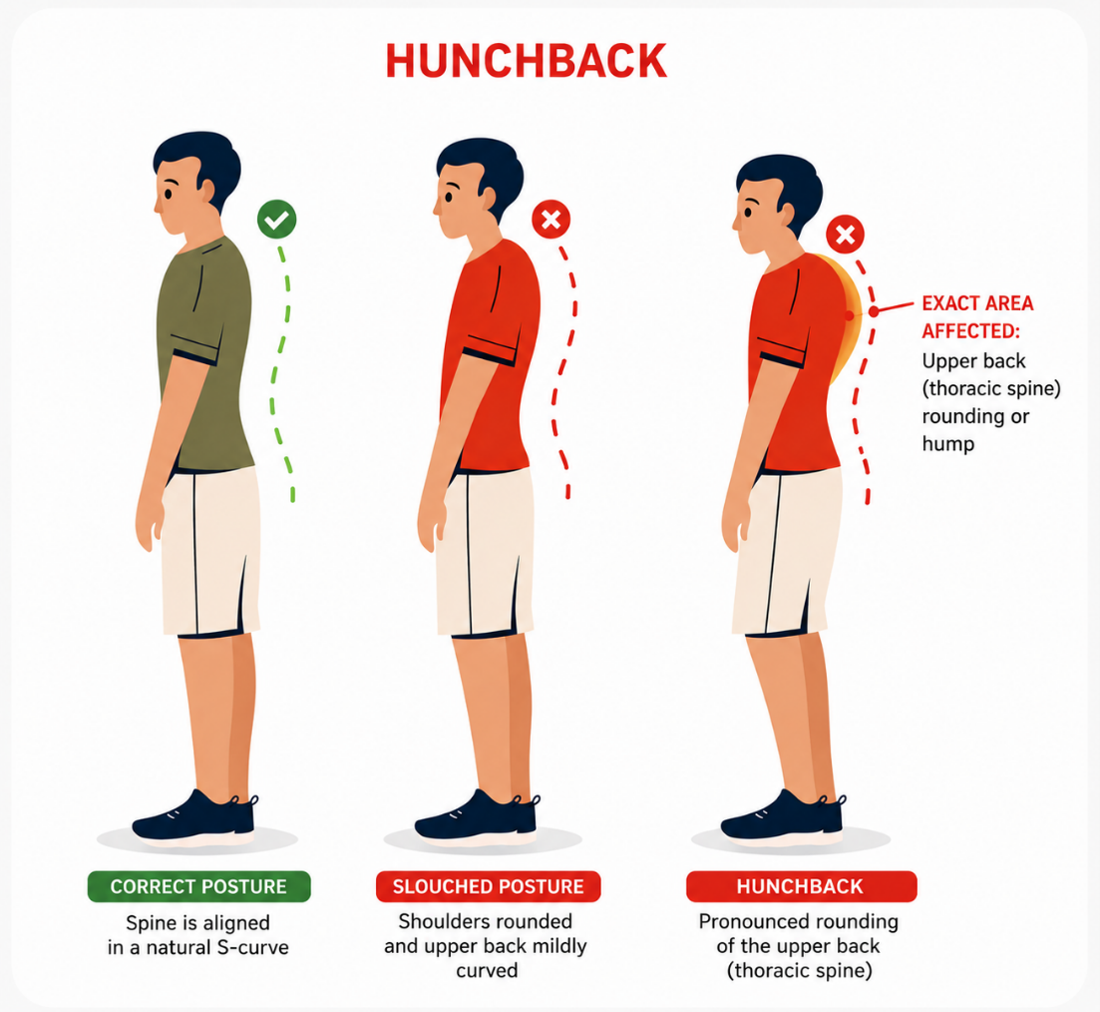
Poor Posture
When you spend long hours using a phone, a computer, or performing desk-based activities, it can increase mechanical loading on the neck and shoulder area.
Cervical Spine Changes
Cervical spine changes, such as symptoms of cervical degeneration, may sometimes contribute to neck and shoulder discomfort..
Muscle Compensations
Compensation occurs when certain muscles are overused due to others being underused.
Poor Lower Trapezius Strength
Weakness/low endurance of the lower trapezius muscles may be associated with altered mechanics of the shoulder in some individuals.
Incorrect Technique During Exercises
Exercises like lateral raises, shrugs, or overhead presses can lead to overuse of the upper trapezius.
Trapezius Hypertrophy
Some individuals develop enlarged trapezius muscles due to genetics, training adaptations, occupational demands, or sport-specific activities.
Treatment Options for Trapezius Muscle Pain
Chiropractic Care for the Trapezius Muscle Pain
A chiropractor in central Hong Kong can assess whether symptoms are musculoskeletal in nature and identify contributing factors.
Management may include:
- Manual therapy, where appropriate
- Exercise prescription
- Movement advice
- Activity modification
- Postural education
Chiropractic care in Hong Kong is often used as part of a conservative, non-invasive approach to managing neck and shoulder complaints.
Soft Tissue Therapy
Soft tissue approaches may include:
- Trigger point therapy
- Myofascial release
- Manual soft tissue therapy
These approaches may help improve comfort and movement in some individuals.
Exercise and Rehabilitation
Exercise is often an important component of long-term management.
Examples may include:
- Upper trapezius stretching
- Lower trapezius strengthening
- Shoulder blade control exercises
- Postural exercises
- Exercise technique modification
What are the first signs of trapezius nerve damage?
Trapezius nerve injury is uncommon. Initial symptoms of a trapezius muscle problem include shoulder weakness (difficulty shrugging your shoulders), one shoulder drooping lower than the other, the shoulder muscles feeling tired, and difficulty raising your arm overhead. Some individuals will feel unleveled and unstable shoulder blades.
Most people experiencing tight and sore trapezius muscles do not suffer from nerve damage. A definitive loss of strength or drooping shoulders requires a medical consultation.
When to See a Chiropractor for Trapezius Pain?
You may consider chiropractic services if:
- The pain of the trapezius continues
- Symptoms occur at frequent intervals
- Headaches seem to correlate with tension in the neck/shoulder area
- The neck is getting stiffer
- Posture seems to play a role in the condition
A thorough evaluation may help identify if the complaint is likely musculoskeletal and if further medical treatment is warranted.
How to Protect Your Trapezius Muscle
Some strategies to minimize trapezius pain include:
- Ergonomic workstation arrangements
- Regular breaks from sitting
- Regular physical activity
- Strengthening the lower trapezius and adjacent muscles
- Regular stretches
- Stress management
- Limited duration of static positions
Conclusion
Trapezius pain, tightness, trigger points, and shoulder discomfort are common musculoskeletal complaints that can affect activities of daily living, work performance, and quality of life.
Because trapezius symptoms may arise from multiple factors, including posture, activity levels, stress, exercise habits, and movement patterns, identifying contributing factors is an important step toward recovery.
For individuals experiencing persistent trapezius pain, chiropractic care by qualified and registered chiropractors, including with our doctors at Agape Chiropractic Hong Kong, may form part of a comprehensive, conservative management plan that includes assessment, exercise, education, and self-management strategies designed to improve comfort and function.