If you spend long hours working at a desk, using mobile phones, or sitting, you may struggle with a rounded upper back or hunchback at some point. People sitting for long hours often worry that they will develop a hunchback and wonder whether it can be treated or whether it will worsen over time. In this blog post, we’ll shed light on what a hunchback is, what causes it, and the evidence-based treatment options that may help improve movement, posture, and overall spinal health.
What Is a Hunchback?
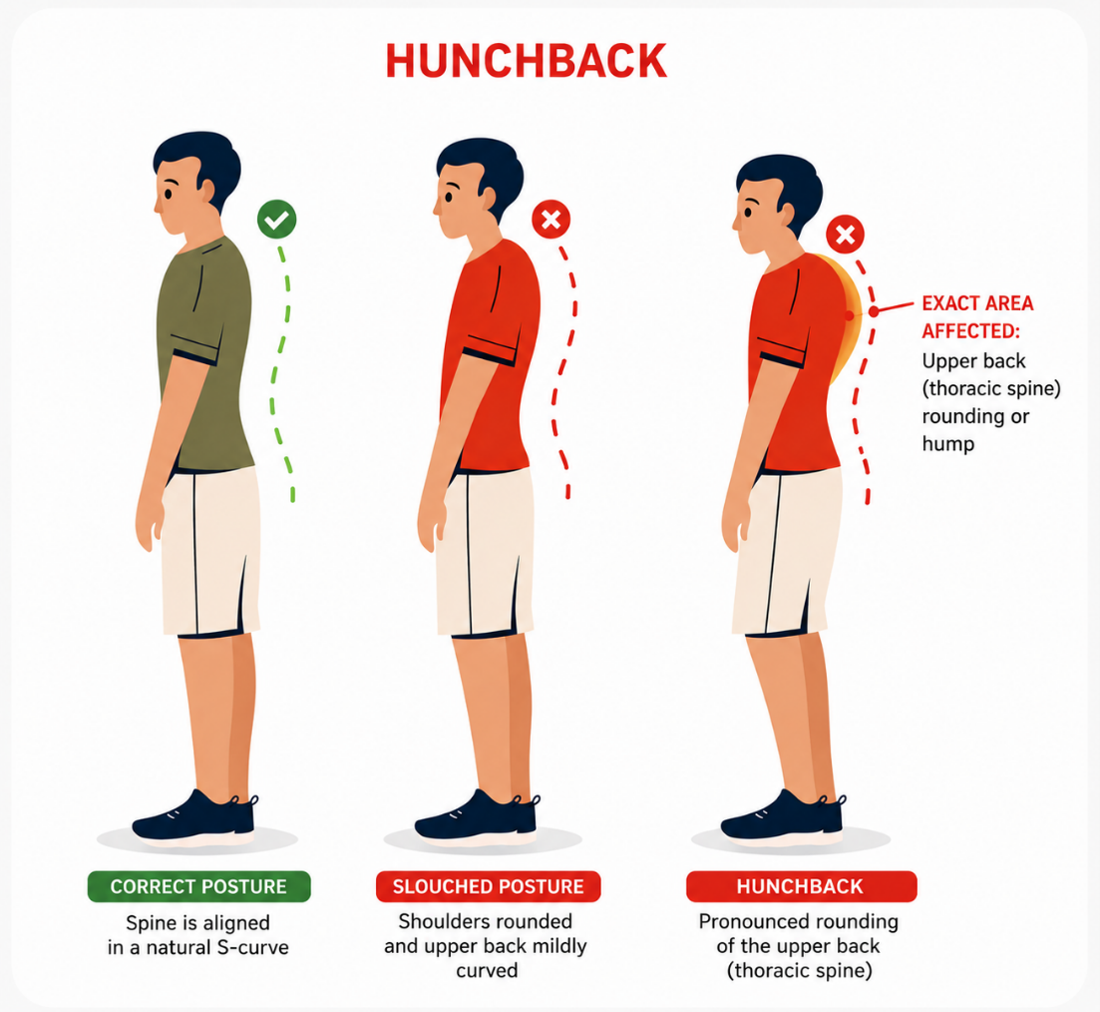
Medically, the condition is called thoracic hyperkyphosis, which is characterized by an excessive curving of the upper part of the spine. In some instances, having a rounded upper back can stem from weak muscles directly linked to posture habits, or hours spent with heads bent and staring down at screens. Before you opt for a chiropractic treatment for a hunchback correction, it’s helpful to understand the possible contributing factors behind a rounded upper back.
What are the Causes of a Hunchback?
A hunchback can have several contributing factors. Some of the more common causes include:
- Years of bad posture
- Low tone in upper back and core muscles
- Inflexible chest and shoulders
- Long stretches sitting at a computer or using the mobile phone
- Age-related bone and joint changes
- The effects of osteoporotic vertebral fracture in senior adults
Any of the above-mentioned reasons can contribute to a hunchback, which is why it’s important to get a proper assessment done by a chiropractor 香港.
Is a hunchback the same as hyperkyphosis?
“Hunchback” is a non-medical term for a rounded upper back. Hyperkyphosis is the more specific clinical term describing increased curvature of the thoracic spine.
Can a Hunchback Correction be Achieved?
Whether a hunchback correction can be achieved depends on the underlying causes. In some cases, meaningful improvement can be attempted with the right combination of lifestyle changes and exercises. Here are some factors which can be targeted:
- Muscle weakness
- Stiffness
- Poor postural habits
If the spinal curve changes are linked to underlying structural changes in the bones and joints, complete correction may not be possible. However, treatment still helps reduce discomfort, improve function, and support better posture. The earlier the problem is identified, the more options are typically available.
Signs That Your Hunchback May Need Professional Assessment
You may benefit from a professional assessment if you experience:
- A noticeable rounding of the upper back
- Difficulty standing upright
- Neck or upper back discomfort or symptoms of cervical degeneration
- Shoulder tightness
- Reduced mobility in the upper back
- Fatigue when sitting or standing for long periods
A chiropractor at Agape Chiropractic Hong Kong can help determine whether the issue is mainly postural or related to structural changes in the spine.
Evidence-Based Treatment Options for a Hunchback
1. Exercise Therapy
Hunchback or excessive kyphosis improvement can occasionally be achieved with the right exercises. A personalised exercise program may focus on:
- Strengthening the upper back muscles
- Improving core stability
- Increasing thoracic spine mobility
- Stretching tight chest muscles
- Improving overall posture awareness
Research suggests that corrective exercises for a rounded upper back may occasionally help improve posture and physical function.
2. Posture Education
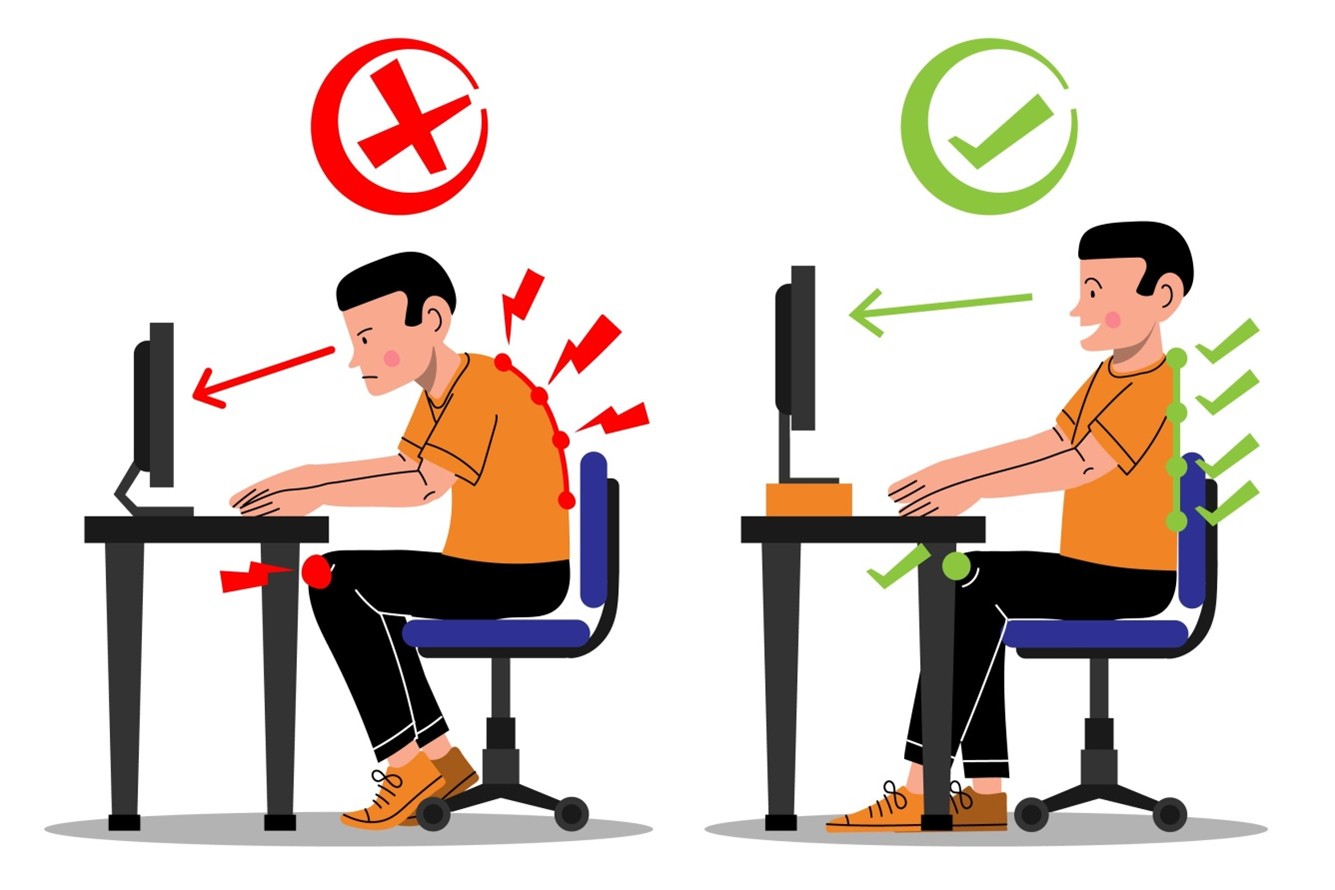
Many of us spend long hours sitting at a desk, using a computer screen, or a mobile phones. Little things that we do on a day-to-day basis can have a positive impact and relieve strain in our neck and shoulders. Posture correction strategies may include:
- Taking regular breaks throughout the day
- Adjusting the screen to eye level
- Standing upright without hunching
- Avoid standing still for long periods of time
- Switching positions frequently throughout the working day
This does not necessarily mean standing up straight with the head up high for the entire day – moving from time to time, changing postures, standing, sitting, moving the upper part of the body can all be as beneficial as a ‘good’ static posture, sitting or standing still.
3. Manual Therapy
Manual therapy may be used alongside an exercise program.
This may include:
- Joint mobilisation
- Soft tissue therapy
- Spinal manipulation when appropriate
Manual therapy might help symptom relief and movement efficiency. It can be used in conjunction with active treatments like exercise.
4. Strength and Conditioning
Building overall strength can help support better posture and spinal health.
A strength program may include exercises for:
- The upper back
- The shoulders
- The core
- The hips and legs
Working on our overall physical condition is essential
Chiropractic Treatments That May Help a Hunchback
After a thorough assessment, a chiropractor may use a combination of treatments to improve movement, support better posture, and reduce discomfort.
Thoracic Spine Mobilisation and Manipulation
Sometimes, the thoracic spine becomes stiff and restricted. Chiropractors may use spinal manipulation therapy to improve joint mobility and overall spinal function.
Soft Tissue Therapy
Muscle tightness in the shoulders, chest, and upper back can contribute to a rounded posture. Soft tissue therapies such as trigger-point therapy and myofascial release may be used to reduce muscle tension and enhance flexibility.
Postural Corrective Exercises
Exercises may also be recommended to help strengthen the muscles that support good posture:
- Scapular retractions
- Band pulls
- Wall Angels
- Chin tucks
- Upright row (if tolerated and symptom-free)
Thoracic Extension Exercises
Many people with a rounded upper back have limited extension through the thoracic spine. Exercises designed to improve thoracic extension may help increase mobility and support improved posture.
Examples include:
- Foam roller thoracic extensions
- Seated thoracic extension exercises
- Cat-camel mobility exercises
Chest and Shoulder Stretching
When chest muscles are too tight, they can pull the shoulders in a rounded position, which may contribute to a rounded shoulder posture. Most stretching exercises address how to loosen the pectoral muscles and upper shoulder region.
Lifestyle and Ergonomic Advice
The choices you make throughout your day can be a big part of your posture problem. Working with a chiropractor can help you implement recommendations like improving your posture at your workstation by adjusting your screen height and position, integrating regular breaks to move your body, and changing your routine to decrease stress on your spine. Since every patient presents a unique set of challenges, your treatment approach needs to be individualized to find what works best for you.
How Long Does It Take to Improve a Hunchback?
The timeline varies depending on factors such as:
- The underlying cause
- The severity of the curve
- Age
- Overall health
- Consistency with exercise and lifestyle changes
Some people notice improvements in posture awareness and movement within a few weeks. More significant changes often take several months of consistent effort.
When Should You Seek Professional Help?
You should consider seeking professional advice if:
- The curve appears to be worsening
- You experience persistent pain
- You have difficulty performing daily activities
- You notice balance problems
- You have concerns about your spinal health
A proper assessment can help identify the cause and guide the most appropriate treatment plan.
Final Thoughts
A hunchback can develop for many different reasons, ranging from postural habits to structural spinal changes. Some patient also complain of accompanying “neck hump”, which is a visible bump at the lower neck and upper back. The same concepts apply to this condition.
If you are concerned about a rounded upper back or changes in your posture, speaking with a chiropractor at Agape Chiropractic Hong Kong can help you understand your options and create a plan that fits your needs.