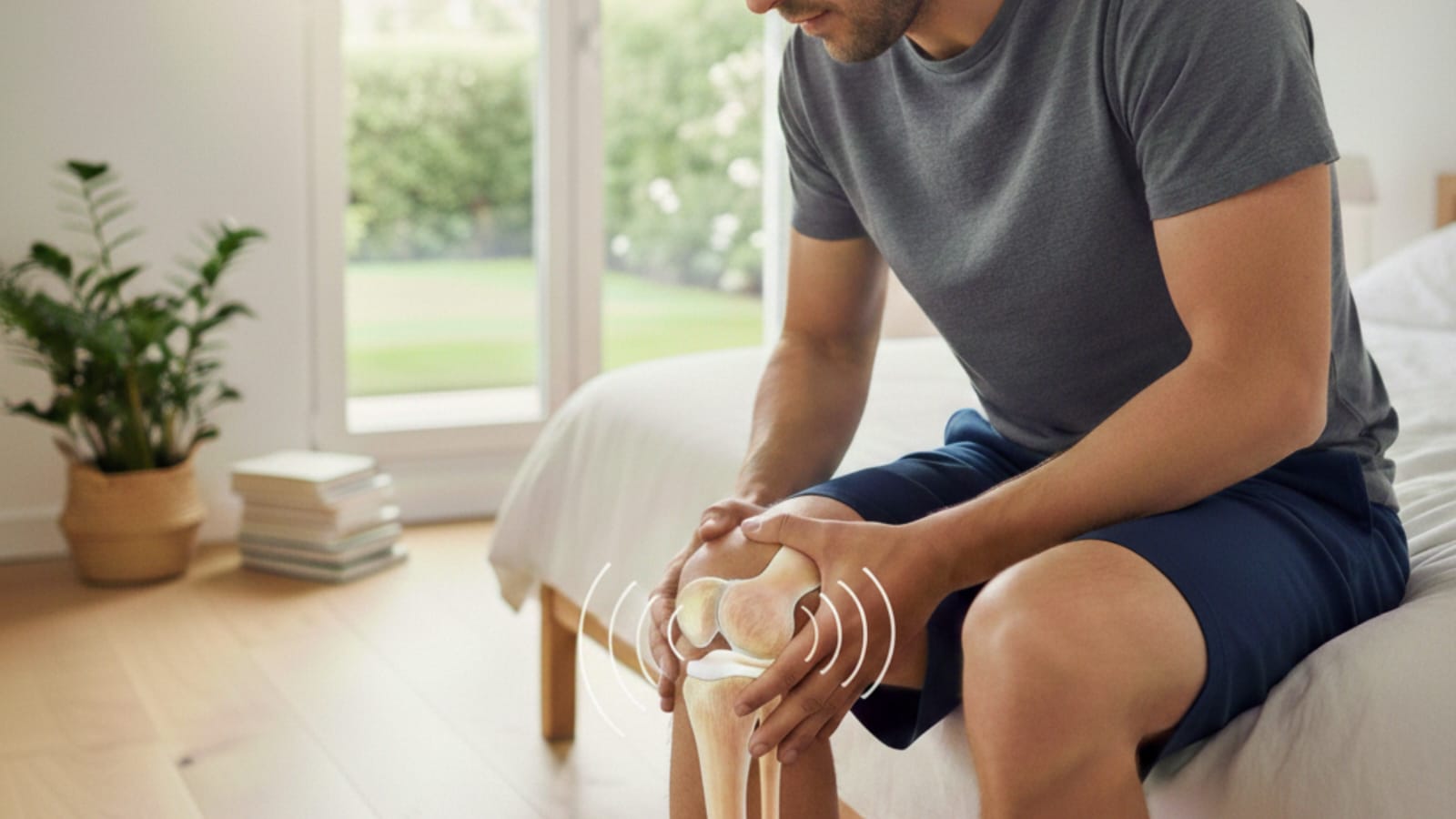
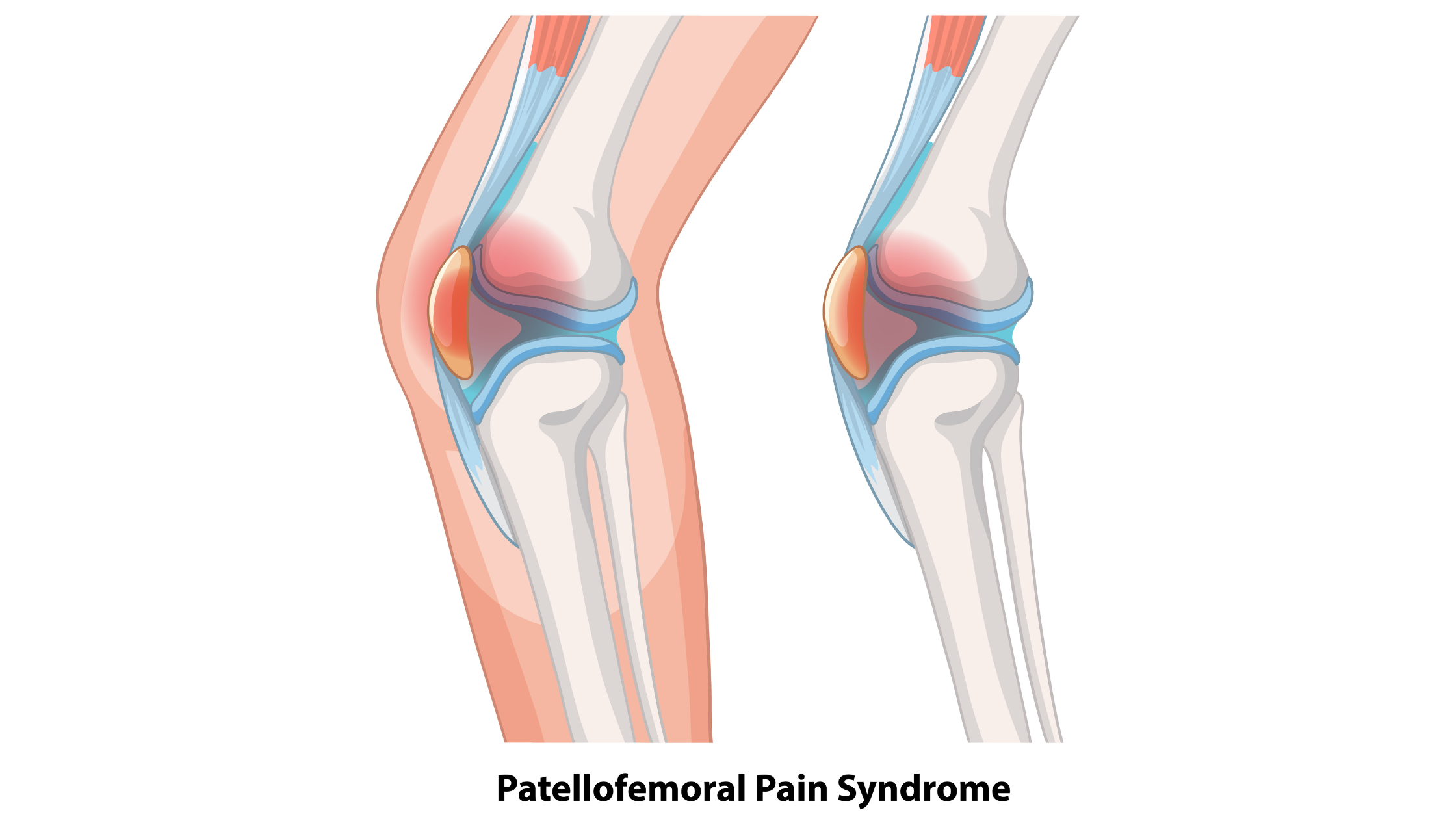
The patellofemoral joint refers to the space between the long bone of the thigh, called the femur, and the kneecap. The space between these bones can become injured and painful for various reasons. The kneecap can be dislocated, the cartilage under the kneecap can become roughened and softened, or the joint space can be functionally altered, leading to pain. Traditionally, patellofemoral pain syndrome referred to an overuse situation caused by tightened muscles laterally, poor biomechanics, or weak muscles on the inside of the knee. However, research continues, and we are learning more about this condition.
What is Patellofemoral Pain Syndrome (PFPS)?
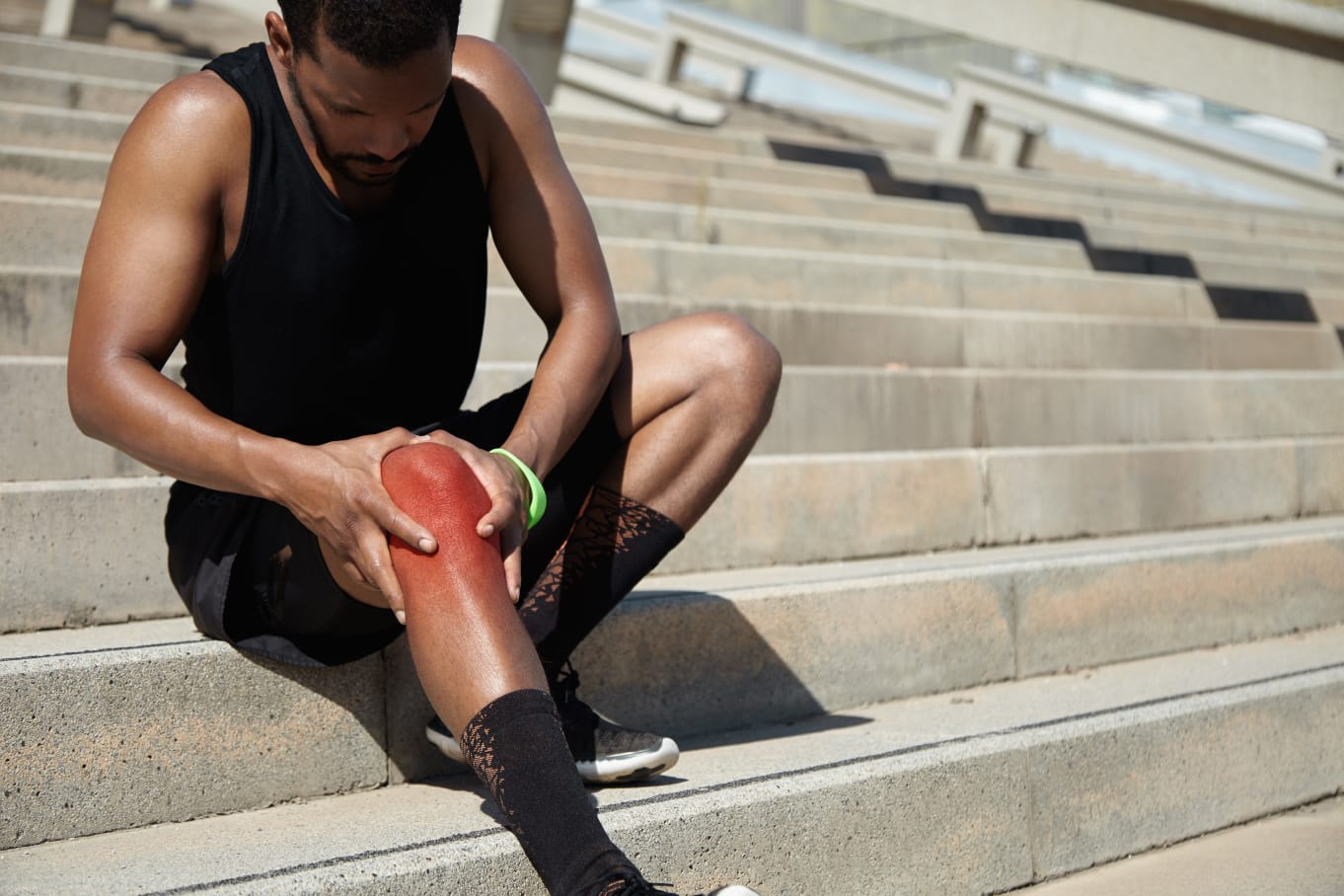
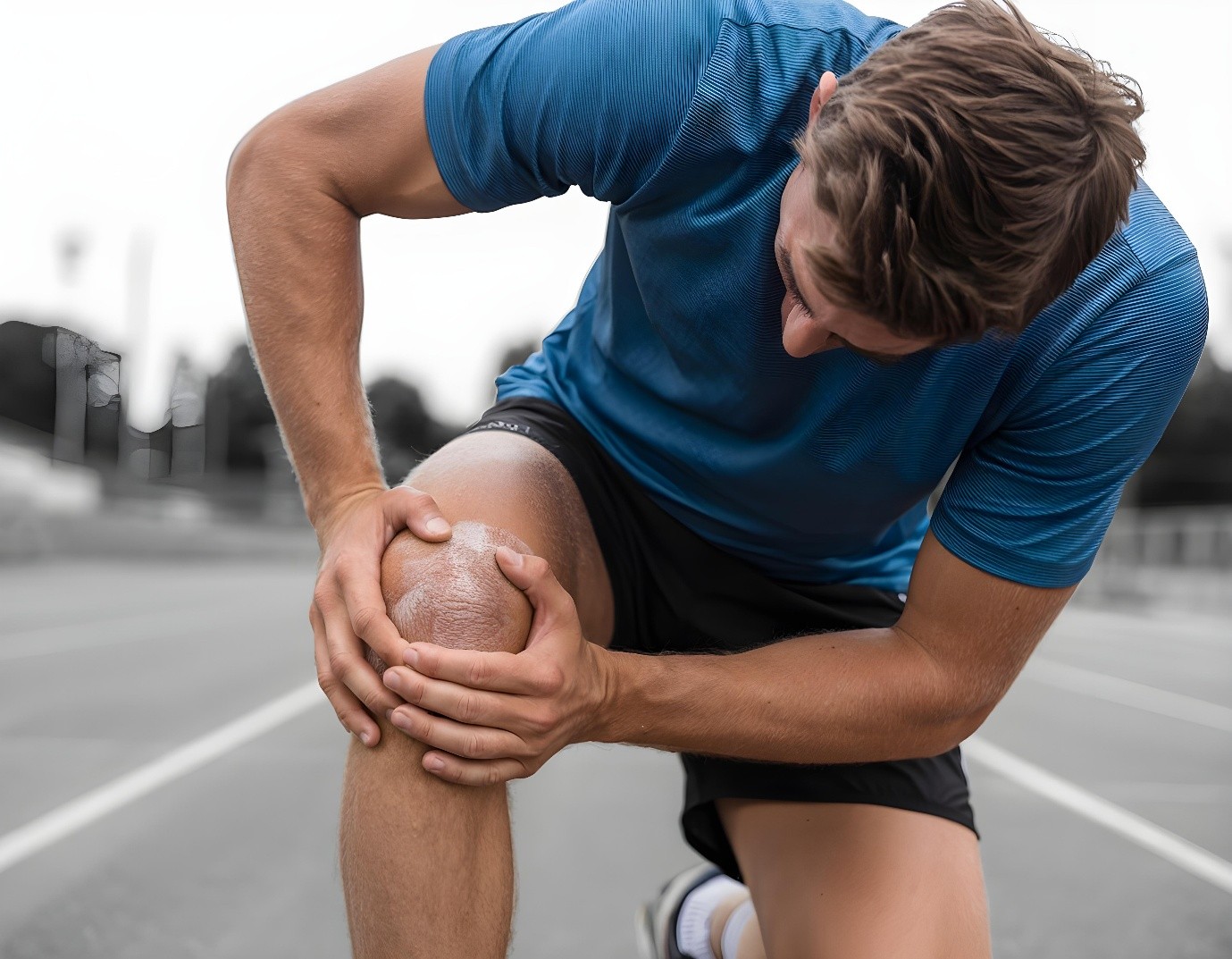
Patellofemoral Pain Syndrome (PFPS), also called runner’s knee, is a condition characterised by pain at the front of the knee or around the kneecap (patella). Individuals with patellofemoral pain experience pain in front of the knee or around the kneecap. The patella helps your quadriceps muscles move your leg, protects your knee, and supports various important tendons, ligaments, and muscles. Although it can affect people of all ages, it is more common in people who run and play sports that involve jumping and running. The knee pain often worsens when walking up or down stairs, running, squatting, or sitting for long periods.
What are the common symptoms of Patellofemoral Pain Syndrome?
People with patellofemoral pain syndrome often experience dull, aching pain in front of the knee. This pain increases with certain activities. Here are other symptoms to notice:
- Pain during activities and exercise that involve repeated knee bending, such as running, jumping, climbing stairs, or squatting.
- Knee pain after sitting for a long period of time with your knees bent, such as sitting in a car, movie theatre, or on an airplane.
- Pain may increase due to a change in activity level or training load.
- Cracking or popping sounds in your knee when standing up or climbing stairs after prolonged sitting.
What Causes Patellofemoral Pain Syndrome?
Here are some factors that may contribute to patellofemoral pain syndrome:
- Knee overuse: Overusing your knees in repetitive movements can contribute to PFPS.
- Tight or weak muscles around your knee: If the muscles in your leg around your knee are tight or weak, they may not adequately support knee function. In the same way, reduced flexibility in the quadriceps and surrounding muscles can increase joint stress.
- Increasing intensity level of activity: PFPS may occur when starting a new activity, sport, or increasing training intensity too quickly.
- Knee’s natural shape: If your patella does not track optimally within the femoral groove, it may contribute to altered joint loading and symptoms.
- Knee surgery: Knee surgery increases the risk of patellofemoral pain, particularly procedures involving the patellar tendon.
- Injury: A kneecap injury, such as dislocation or fracture, can increase the risk of developing patellofemoral pain syndrome.
How Do Chiropractors Diagnose Patellofemoral Pain Syndrome?
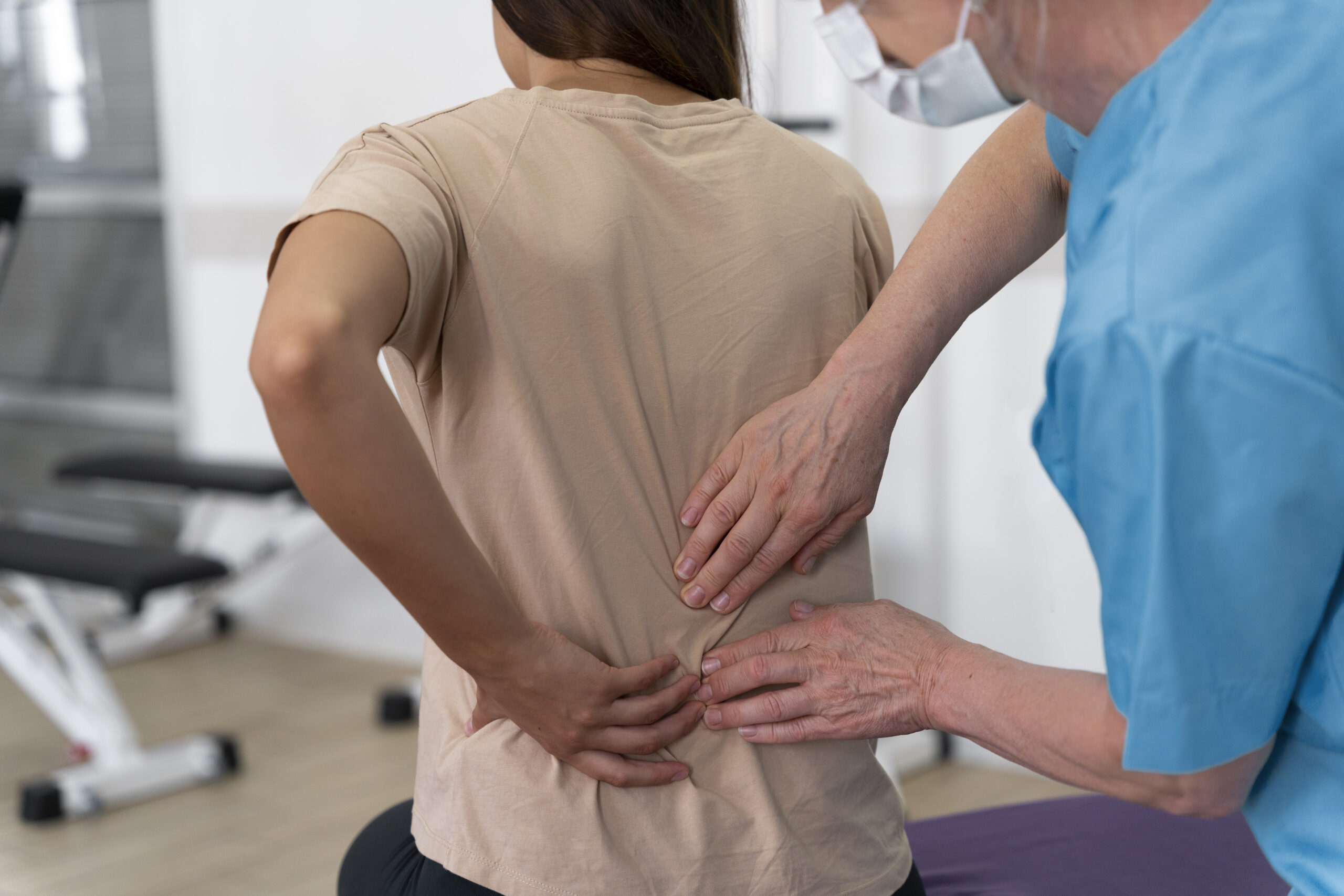
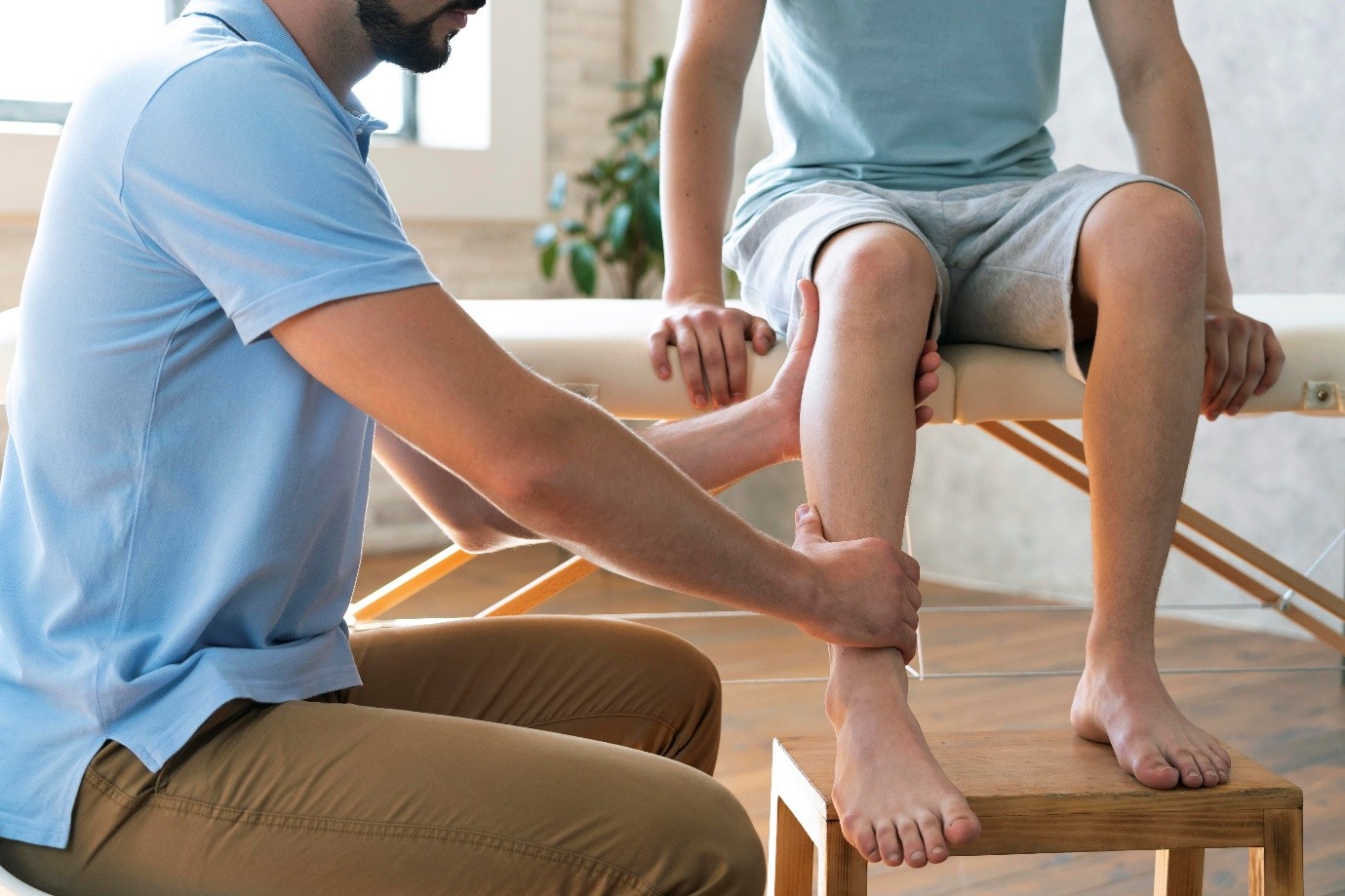
It’s crucial to obtain an accurate diagnosis of patellofemoral pain syndrome. By carrying out a comprehensive clinical assessment, HK chiropractors evaluate PFPS. You might be asked about your past health, exercise regimen, and symptoms to help guide diagnosis. Once medical history is taken, a chiropractor will complete a series of tests, which may include:
- Measuring the range of movement of the affected knee.
- Examining muscle strength, particularly around the hips and quadriceps.
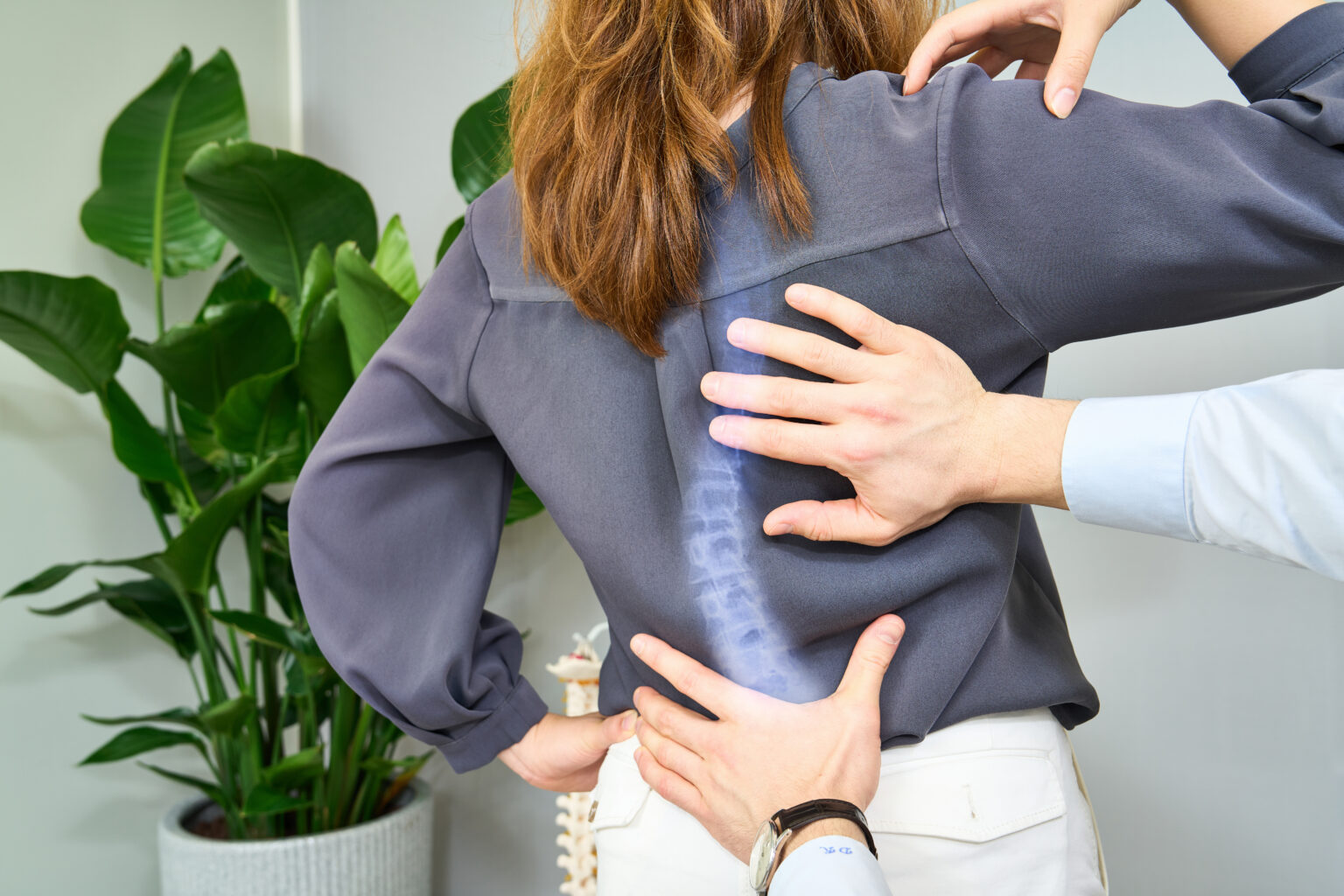
- Assessing the alignment of your pelvis, feet, hips, and knees.
- Assessing muscle flexibility of the quadriceps and hamstrings.
- Examining the position and tracking of the kneecap.
- Observing movement patterns such as squatting, hopping, running, and jumping.
- Functional testing to reproduce symptoms when appropriate.
Can Chiropractic Adjustments Help Relieve PFPS Pain?
Yes, chiropractic care may help relieve PFPS pain in some individuals. Chiropractors at Agape Chiropractic Hong Kong offer non-invasive care aimed at identifying contributing mechanical factors rather than only addressing symptoms. Here’s what chiropractic treatment may include:
- Comprehensive assessment
We assess the lower limb, pelvis, spine, and feet to identify imbalances, movement dysfunction, or joint restrictions that may contribute to symptoms. - Hands-on treatment
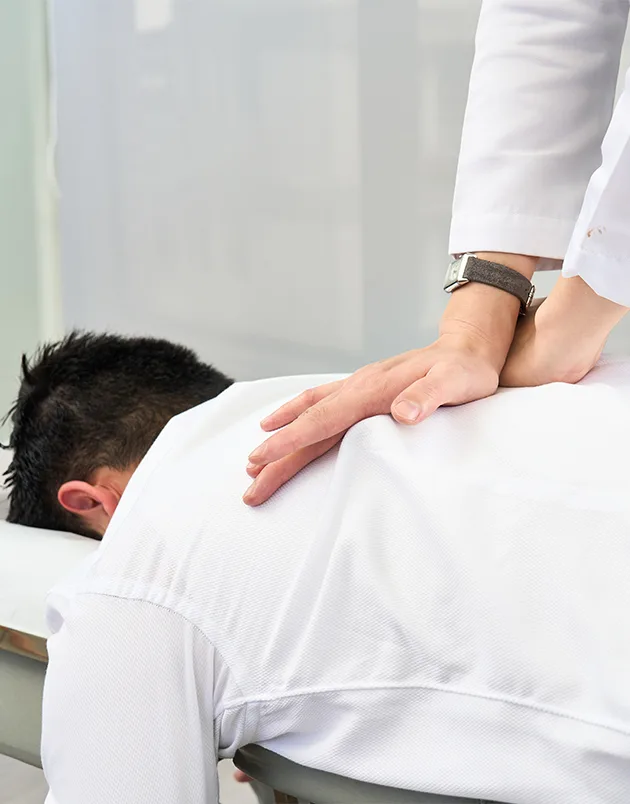
We use chiropractic techniques such as joint mobilisation or manipulation to help improve joint mobility and reduce pain sensitivity around the knee and surrounding structures. - Soft-tissue therapies
Modalities such as soft tissue therapy, interferential therapy, and ultrasound may be used to support pain management and tissue recovery. - Exercise and rehabilitation
We suggest progressive exercises to improve strength and control. As symptoms improve, rehabilitation is gradually progressed to restore knee function.
What Exercises Do Chiropractors Recommend for PFPS?
There are various exercises suggested by chiropractors to support patellofemoral pain syndrome:
Wall squat
- Stand with your back against the wall, feet about 12 inches away.
- Slowly slide down into a partial squat position.
- Hold for 5–10 seconds, then return to standing.
- Repeat as tolerated (commonly 10–15 repetitions).
Clamshell
- Lie on your side with hips and knees bent.
- Keep feet together and lift the top knee upward.
- Hold briefly, then lower slowly.
- Repeat on both sides.
How Long Does It Take To Recover from PFPS with Chiropractic Care?
Patellofemoral Pain Syndrome recovery time varies depending on severity and individual factors. Mild cases may improve within 4–6 weeks with appropriate management. More persistent cases may take 3–4 months or longer with consistent rehabilitation. Recovery also depends on activity modification and adherence to exercise recommendations.
When Should Someone With PFPS See A Chiropractor?
Individuals with PFPS should consider assessment if they experience:
- Persistent pain that does not improve with rest.
- Pain affecting daily activities such as walking, stairs, or sitting.
- Recurrent symptoms despite basic management.
- A feeling of instability or poor knee control.
Conclusion
Patellofemoral pain syndrome can significantly affect daily activities. However, with appropriate conservative care and guidance from chiropractors at Agape Chiropractic Hong Kong, many individuals improve over time. If you are experiencing knee pain, an assessment can help identify contributing factors and guide your recovery plan.