Do you experience constant aching, sharp pain, or stiffness along the outside of your upper thigh and hip, especially when climbing stairs, walking, or lying on your side? You may have hip bursitis, a condition that happens when the fluid-filled sacs that cushion your hip joint become inflamed or irritated.
This condition is more common in adults over 50, but it can affect people of all ages. If you are searching for unexplained hip pain or have been diagnosed with trochanteric bursitis, this blog will walk you through hip bursitis symptoms, the potential causes, and different hip pain treatment options. At Agape Chiropractic Hong Kong, we provide patient-centred care for soft tissue and joint conditions such as hip pain.
What is Hip Bursitis?
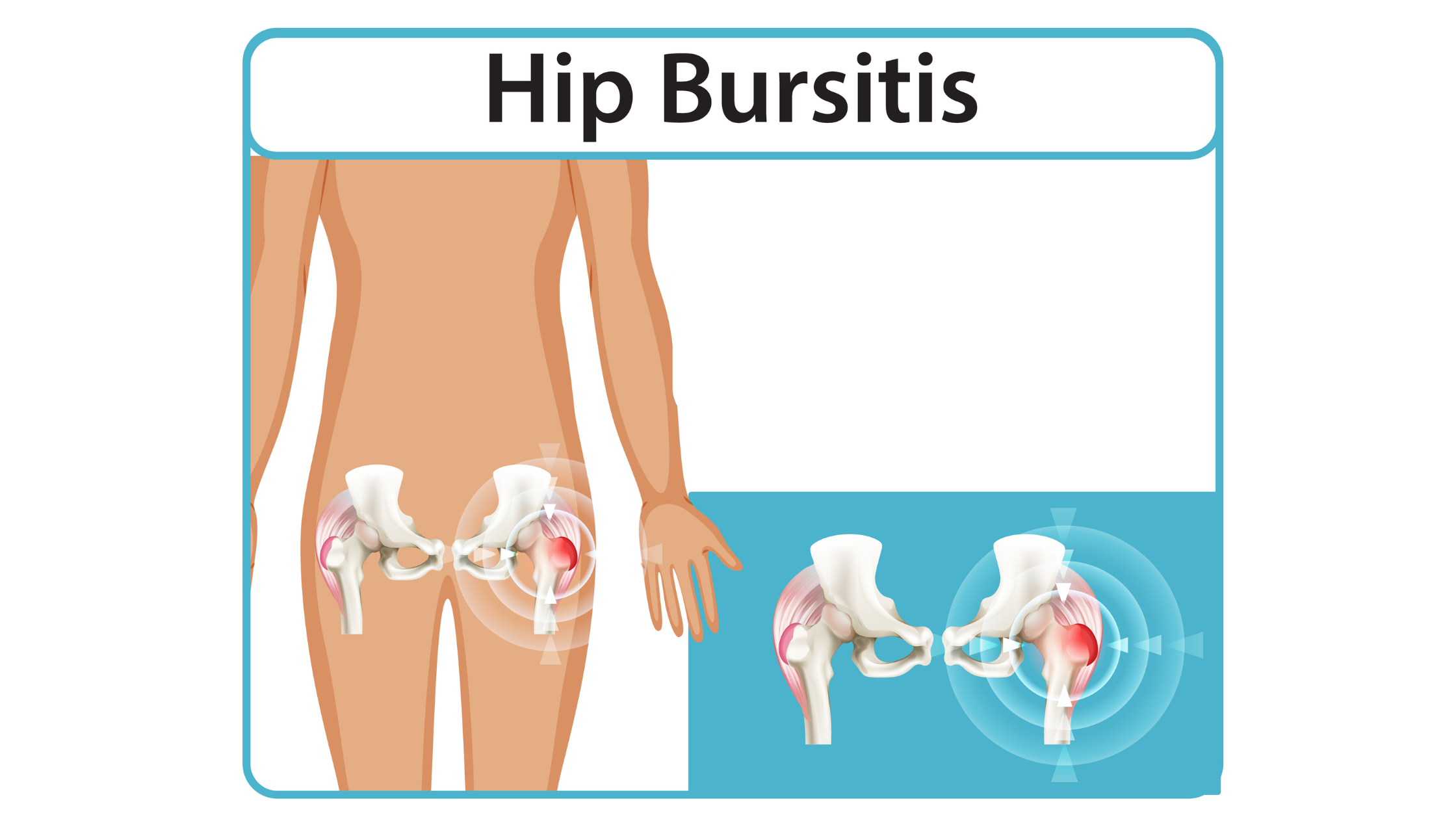
Bursitis involves inflammation or irritation of one of the hip’s bursae. A bursa is a small sac of fluid that cushions a joint and helps it move with ease. These bursae are located between bones in the hip and the surrounding tendons and muscles in the thigh and buttocks. Injury or overuse of the hip can contribute to bursitis. Activities that involve repetitive joint movement or prolonged pressure on the hip may aggravate symptoms. Symptoms often improve with activity modification and conservative care, but if pain persists or worsens, you should seek medical help.
What Causes Hip Bursitis?
Here are the causes of hip bursitis:
- Calcium deposits or bone spurs can develop within the tendons connected to the trochanter and may irritate surrounding tissues.
- Hip injury due to falling onto the hip, accidentally bumping the hip on furniture, or lying on one side of your body for a long time can lead to hip bursitis. These situations can irritate the small fluid-filled sacs in the hip, leading to inflammation and pain.
- Leg-length difference: When one leg is shorter than the other (for example, more than an inch), it can put extra pressure on one side of the hip. Over time, this imbalance may contribute to hip bursitis.
- Repetitive stress: Activities like running, stair climbing, or standing for long periods repeatedly put pressure on the hip. This repeated stress can contribute to pain and irritation.
- Spine problems: Conditions like lumbar arthritis or scoliosis can affect movement and weight distribution, which may contribute to hip discomfort.
What are the Common Symptoms of Hip Bursitis?
Hip bursitis symptoms usually develop gradually and may worsen over time. You may experience:
- Stiffness of the hip joint
- Tenderness when pressing on the hip
- Sharp pain when moving the hip
- A dull, aching pain in the outer hip
- Pain that travels down the upper thigh
- Increased pain when lying on the affected hip at night
- Discomfort with climbing stairs, walking, or prolonged activity
- Hip bursitis may also be influenced by biomechanical factors in the pelvis. If you also experience SI joint pain, learn about chiropractic care for sacroiliac sprain from our previous blog.
Can Poor Posture or Spinal Misalignment Contribute to Hip Bursitis?
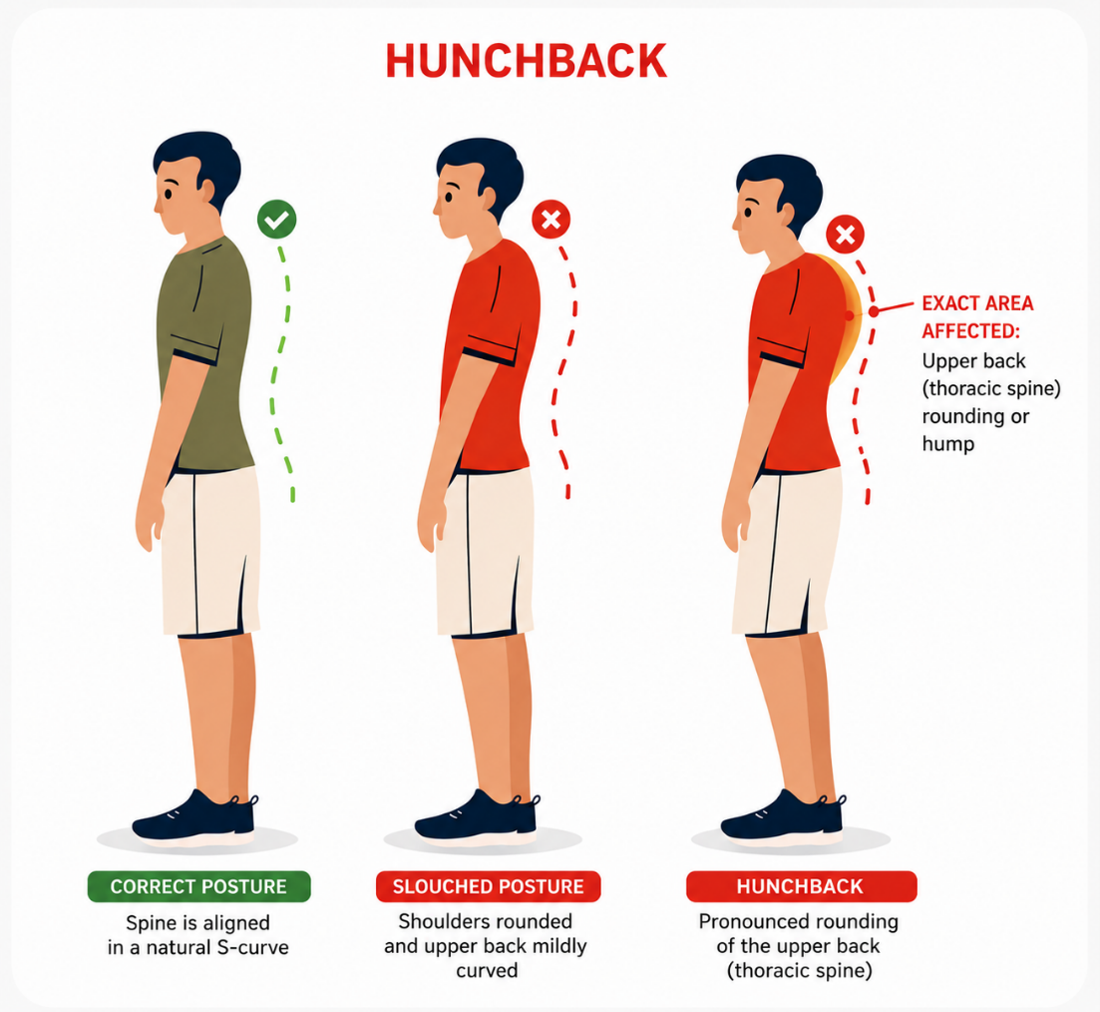
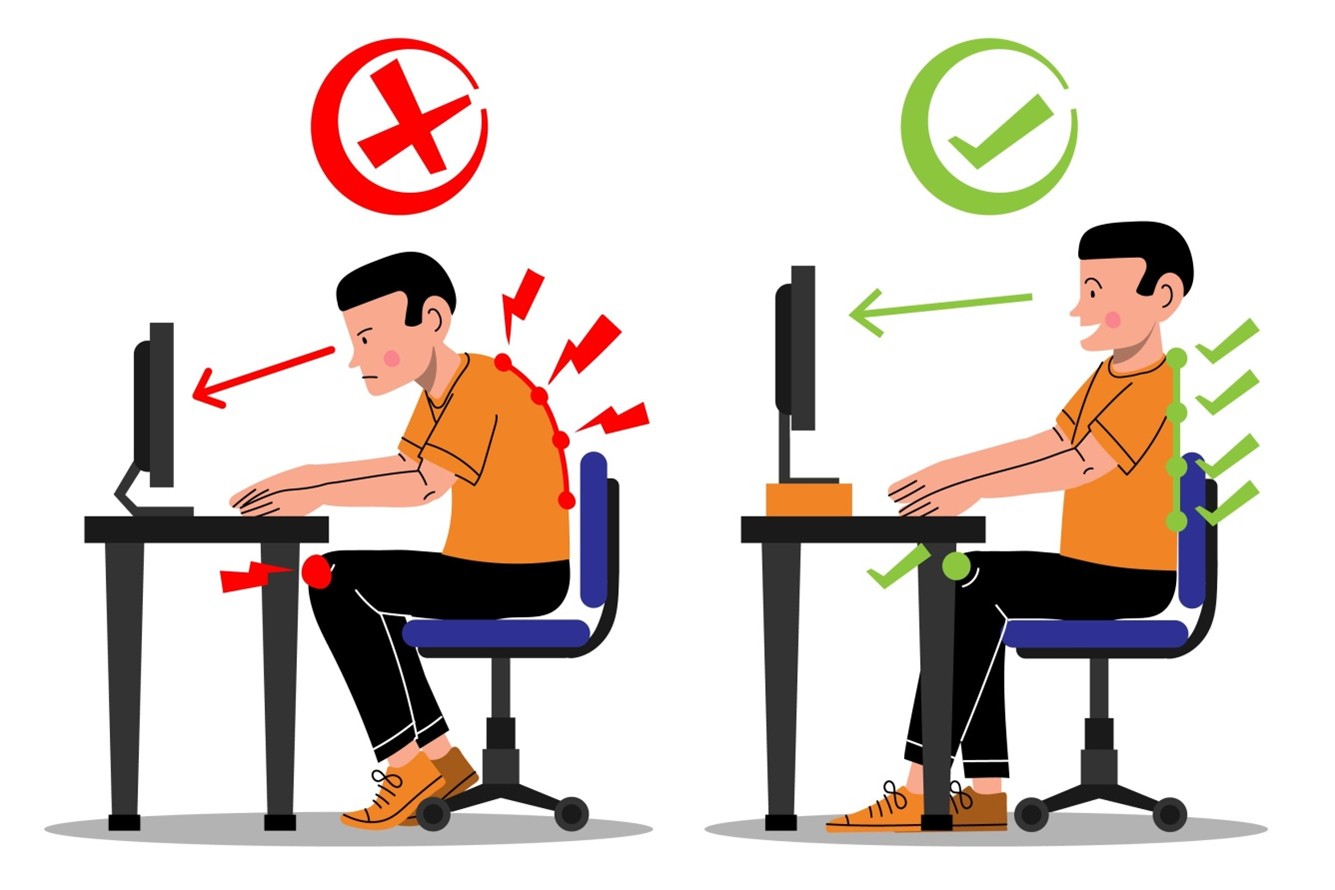
Poor posture and movement patterns can influence how load is distributed through the hips. In some cases, this may contribute to hip irritation. Slouching not only affects your appearance, but it can also affect your back, neck, and hips. For example, rounding your back may alter the position of your pelvis and hips over time. By building a strong core with exercises like bridges or planks, you can help reduce strain on the hip. While prolonged sitting is often unavoidable, especially in office-based work, several strategies can help reduce hip discomfort:
- Maintain a neutral sitting posture with your back supported, shoulders relaxed, and feet flat on the floor.
- After every hour, stand up, stretch, and walk around to reduce stiffness and muscle tightness.
What is the Difference Between Hip Bursitis and Hip Arthritis?
It’s essential to understand the difference between hip bursitis and hip arthritis to choose the right treatment option.
- Pain location: Hip bursitis typically causes pain on the outer side of the hip, whereas hip arthritis causes pain within the joint or the groin area.
- Symptoms: Hip bursitis pain is often sharp and worsens when pressure is applied to the affected area, such as lying on it. Arthritis pain is commonly associated with stiffness, especially after inactivity or rest.
- Impact on movement: Hip arthritis frequently results in joint stiffness and reduced range of motion. In contrast, hip bursitis may cause pain during movement but does not usually significantly restrict mobility unless symptoms are severe.
How Do Chiropractors Diagnose Hip Bursitis?
If you have been struggling with sharp hip pain, especially around the outer part of your hip, it could be hip bursitis. This condition can make everyday tasks like sitting, walking, or sleeping uncomfortable.
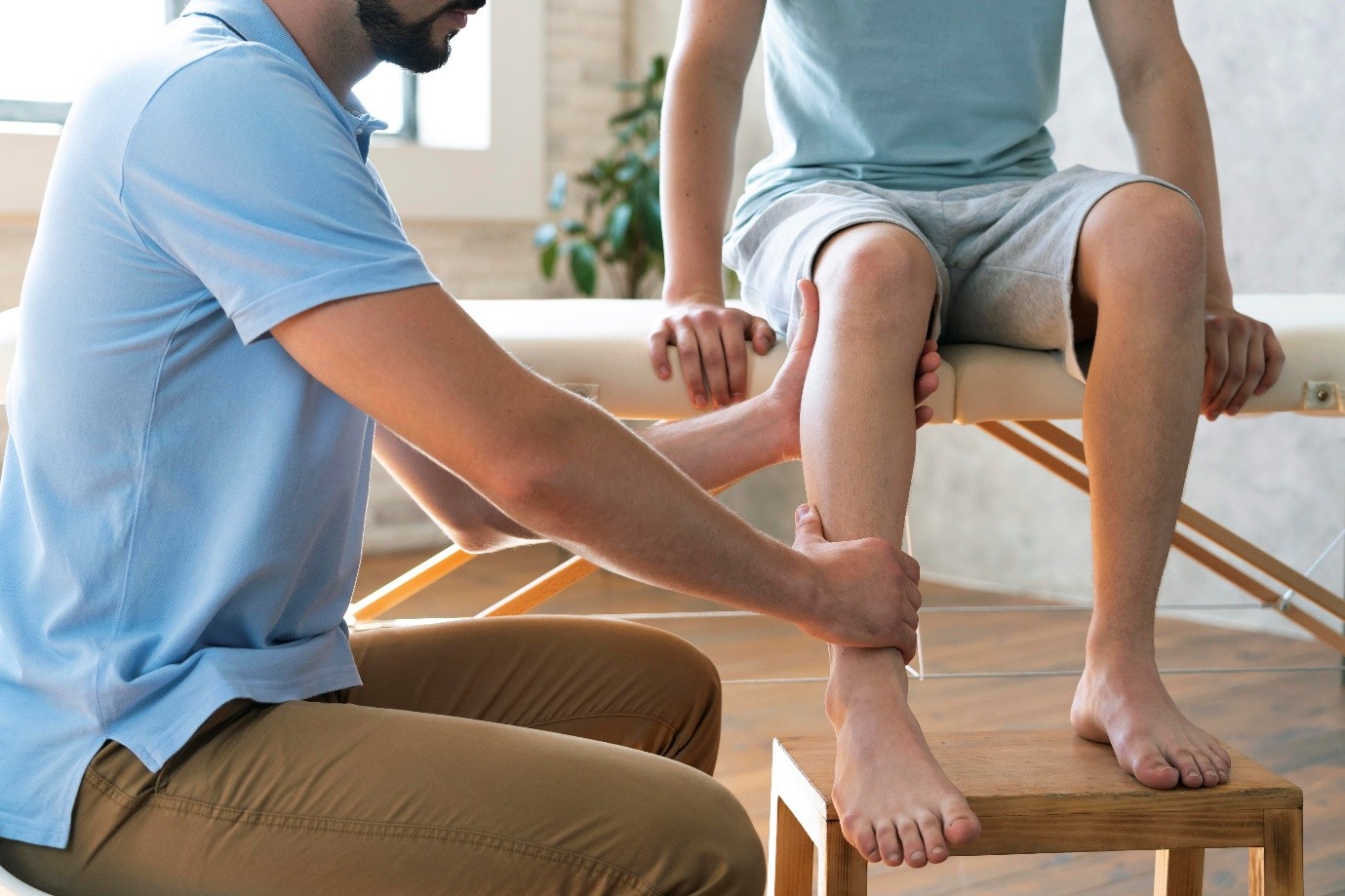
Chiropractors in Hong Kong offer a conservative, non-invasive approach to managing musculoskeletal conditions. It starts with a thorough assessment. Chiropractors at Agape Chiropractic Hong Kong will assess your posture, movement patterns, and hip function to better understand the cause of your symptoms. In some cases, referral for imaging or further medical evaluation may be recommended if needed.
Can Chiropractic Care Help Relieve Hip Bursitis Pain?
There is no single approach to chiropractic treatment for hip bursitis. Management is typically based on your diagnosis, health history, goals, and age. Many cases improve with conservative care over time. Here are some commonly used approaches:
- Spinal and pelvic adjustment
Chiropractic adjustments may help improve joint mobility and overall movement patterns, which can reduce strain on the hip region. - Soft tissue therapy
Techniques such as trigger point therapy, instrument-assisted soft tissue mobilization, and myofascial release may help reduce muscle tension and improve local circulation. - Stretching and rehabilitation exercises
Chiropractors may suggest targeted exercises to strengthen the muscles that support the hip, improve stability, and reduce the risk of recurring symptoms. These exercises are usually simple enough to do at home between visits. - Lifestyle changes
Chiropractors may provide guidance on how you sit, stand, move, or sleep throughout the day, helping you make small changes that reduce strain on the hip and support recovery.
How Long Does Hip Bursitis Take to Heal?
Recovery time for hip bursitis can vary depending on the severity of the condition and individual factors. Many cases improve within a few weeks with appropriate management, while more persistent cases may take several weeks to a few months.
Benefits of Choosing Chiropractic Care for Hip Bursitis
Chiropractic services can support overall musculoskeletal health. Care may help improve posture, movement quality, and symptom management. This approach focuses on addressing contributing mechanical factors and supporting long-term function. Chiropractors often aim to help patients manage symptoms while improving movement and reducing the likelihood of recurrence.
Conclusion
If you are looking for hip pain relief, whether it’s due to hip bursitis or another condition, consider reaching out to Agape Chiropractic Hong Kong for non-invasive care and an individualised assessment.