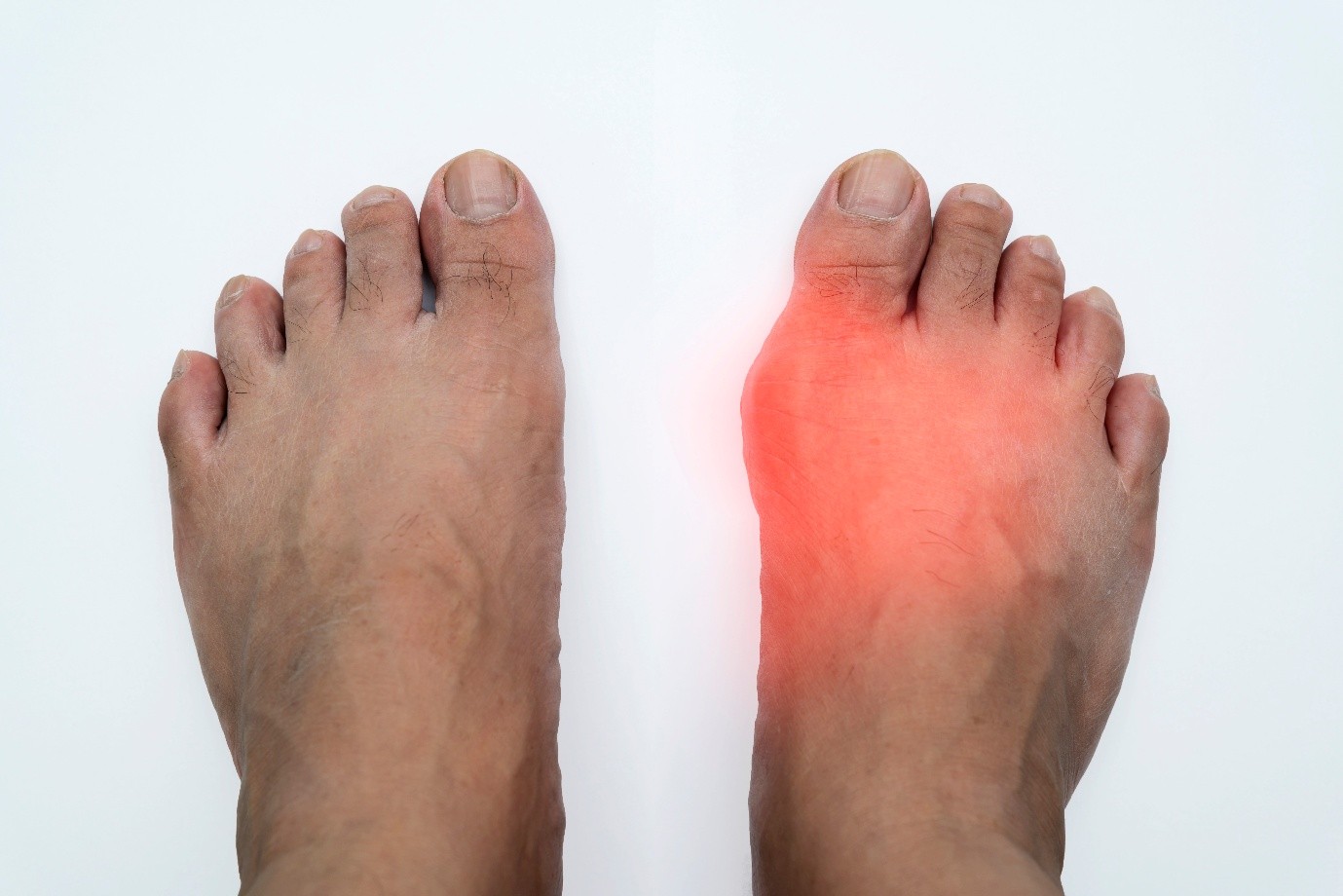

Tarsal Tunnel Syndrome (TTS) is a condition that causes discomfort in the heel and ankle areas. People who struggle with this condition often experience symptoms such as burning, tingling, or a sharp pain in the arch of the foot. If you have been struggling with persistent heel pain or similar symptoms, you could consider getting help from a chiropractor.
In this blog post, we’ll explore what TTS is, its causes, and how chiropractic treatment can offer relief. If you are in Hong Kong and looking for a natural and drug-free solution to heel pain or TTS, Agape Chiropractic Hong Kong is here to help.
What is Tarsal Tunnel Syndrome?
TTS happens when the tibial nerve is compressed or irritated as it passes through the tarsal tunnel, a narrow passageway on the inside of the ankle. When this nerve is irritated, it can cause a variety of symptoms, including:
- Pain around the ankle or heel
- Tingling or numbness in the foot
- A burning sensation in the arch of the foot
- Swelling in the ankle
- Increased pain after standing or walking for extended periods
This condition is often misdiagnosed as other foot conditions like plantar fasciitis. That’s why it is essential to seek proper diagnosis and treatment to identify the underlying issue.
What are the Causes of Tarsal Tunnel Syndrome?
There are various factors that can result in the development of TTS. Understanding these causes is crucial for both preventing and treating the condition.
- Foot Injuries or Trauma
Direct trauma or injuries to the ankle, such as fractures, sprains, or blows to the foot, can result in swelling or misalignment that insults the tibial nerve. Even previous injuries that may have healed improperly can also result in ongoing pressure on the nerve.
- Abnormal Foot Structure
Structural issues, such as high arches, flat feet, or overpronation, can affect the way the foot moves, resulting in uneven pressure on the tarsal tunnel. These foot structure issues often cause the tibial nerve to become irritated over time, leading to TTS symptoms.
- Overuse or Repetitive Motion
For people who are on their feet for long hours, such as healthcare workers, athletes, or teachers, the constant strain on the feet can result in nerve insult. Repeated movement without proper rest can lead to swelling or inflammation around the tibial nerve, causing pain and discomfort.
- Obesity
Carrying excess weight puts extra pressure on the feet, which can lead to TTS. The additional pressure can compress the tibial nerve and cause irritation, making it difficult to manage heel pain.
How Can Chiropractic Care Help with Tarsal Tunnel Syndrome?
Chiropractic care provides a non-invasive and holistic approach to treating Tarsal Tunnel Syndrome. Chiropractors use a variety of techniques to reduce pressure on the tibial nerve and promote healing without relying on surgery or medications. Here are some of the chiropractic treatments that can help:
- Soft Tissue Therapy
Soft tissue therapy can be an effective treatment used by chiropractors to treat TTS. This includes techniques like myofascial release, massage therapy, and physical agent modalities like ultrasound therapy and interferential current therapy. These therapies focus on relaxing tight muscles and reduce inflammation over soft tissues surrounding the tarsal tunnel.
- Joint Mobilization
Joint mobilization involves gentle movements of the foot and ankle joints to improve their range of motion and relieve stiffness. By improving the mobility of the joints, chiropractors can help the tibial nerve to heal faster.
- Stretching and Strengthening Exercises
A chiropractor 香港 can also suggest stretching and strengthening exercises to improve flexibility in the foot and ankle. Stretching and strengthening of the muscles around the ankle and calf can help reduce the tibial nerve irritation.
Conclusion
TTS can be a frustrating condition, but chiropractic care provides a natural solution to this condition. By focusing on soft tissue therapy, joint mobilization, and other supportive therapies, Agape Chiropractic Hong Kong can help you manage TTS.
Also Read: