
Introduction
Rib pain is a common symptom that can range from mild discomfort to sharp pain and may affect movement, breathing, and daily activities. The muscles, ribs, joints, and nerves around the chest wall can all contribute to pain in this area. In some cases, what feels like rib pain can be related to other conditions affecting nearby organs.
It’s crucial to understand the causes of rib pain to determine when symptoms may improve with the right care and when medical evaluation is required. This blog post will shed light on the common causes of rib pain, including causes of left rib pain, right rib pain, and lower left rib pain, as well as when chiropractic assessment may be appropriate.
What Causes Rib Pain?
The causes of rib pain often depend on the tissues involved. Pain can come from the ribs themselves, the joints connecting the ribs to the spine and sternum, the nearby muscles, or the nerves running between the ribs. Here are the common causes:
- Muscle strains
- Costochondritis
- Rib injuries
- Intercostal neuralgia (irritation of the nerves running between the ribs)
- Thoracic spine conditions
- Repetitive stress injuries
- Postural strain
Although musculoskeletal issues are common, rib pain can also be related to medical conditions affecting the heart, lungs, digestive system, gallbladder, liver, or spleen. Unexplained or persistent pain should be medically assessed.
Does the Location of Rib Pain Matter?
The location of rib pain can provide useful clinical information, but location alone cannot determine the diagnosis. Similar musculoskeletal conditions may occur on either side of the rib cage. However, certain non-musculoskeletal conditions may be more commonly associated with specific regions.
Causes of Right Rib Pain
While the causes of right rib pain are diverse, the musculoskeletal system is often involved, including rib joint irritation, muscle strain, thoracic spine referred pain, and intercostal neuralgia. When evaluating right-sided symptoms, healthcare professionals may also consider structures located under the right rib cage, including the gallbladder and liver. The presence of additional symptoms usually provides more diagnostic information than location alone.
Causes of Left Rib Pain
Common causes of left rib pain include costochondritis, muscle strains, nerve irritation, and thoracic spine-related pain. Based on the clinical presentation, healthcare professionals may also consider structures located under the left rib cage, including the spleen and parts of the digestive system. In some situations, chest-related or cardiac symptoms may warrant further medical evaluation.
Causes of Lower Right Rib Pain
Causes of lower right rib pain frequently involve the muscles, connective tissues, and joints around the lower rib cage.
Lower right rib pain may develop following sports participation, repetitive movements, prolonged postures, or lifting activities. Because several structures are located beneath the lower right ribs, persistent or unusual symptoms should be professionally assessed.
Causes of Lower Left Rib Pain
Similarly to those affecting other areas of the rib cage, left lower rib pain causes may include muscle strain, connective tissue irritation, or referred pain from the thoracic spine.
A healthcare professional may also consider other structures in the region when symptoms are persistent or accompanied by additional signs.
How can rehabilitation exercises support recovery from rib pain?
Rehabilitation exercises may help support recovery from various musculoskeletal related rib pain. Based on the underlying condition, exercises may help restore normal movement patterns, improve mobility, reduce stiffness in the chest wall and thoracic spine, and strengthen supporting muscles. A chiropractor in HK can recommend appropriate exercise strategies based on your symptoms, functional goals, and stage of recovery.
Can chiropractic care help improve posture to reduce rib pain?
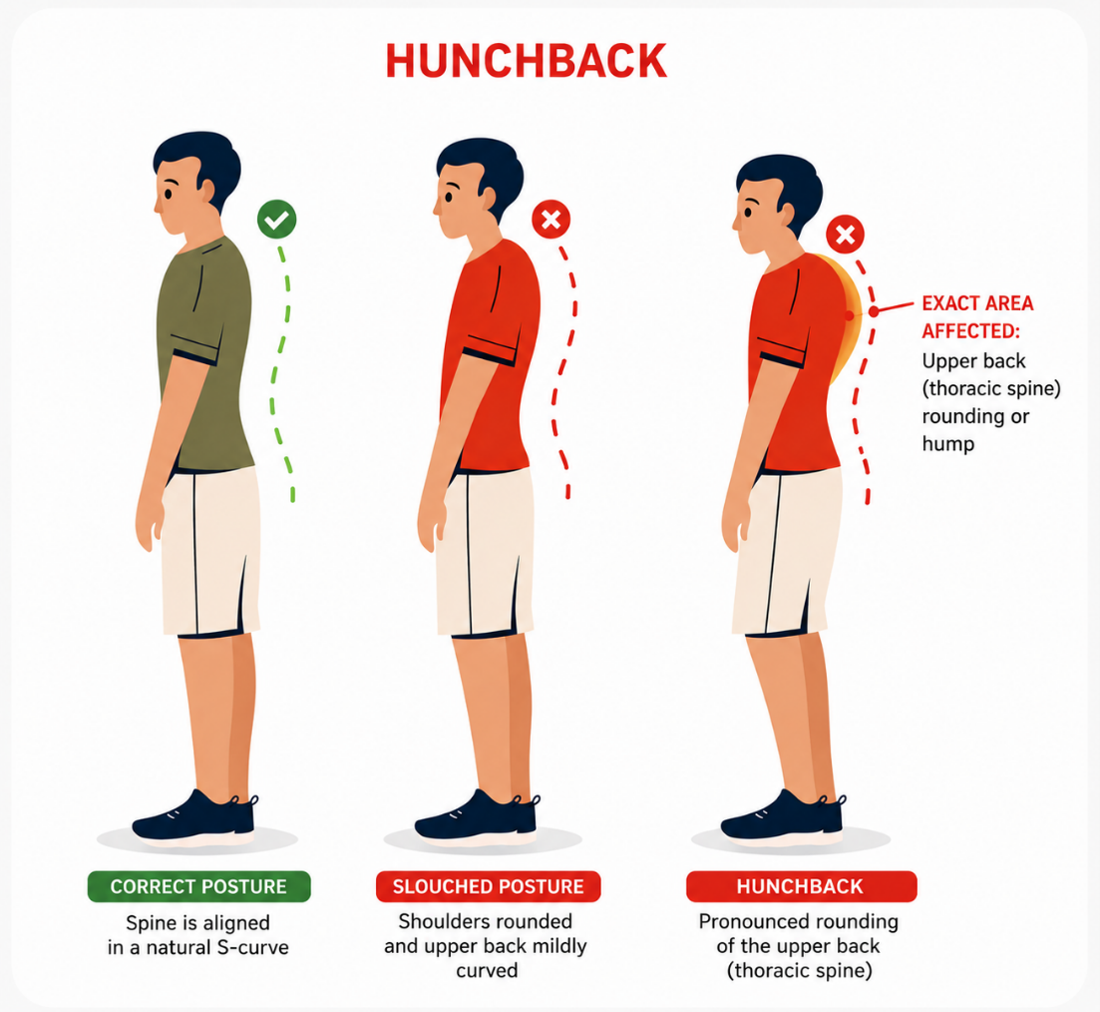
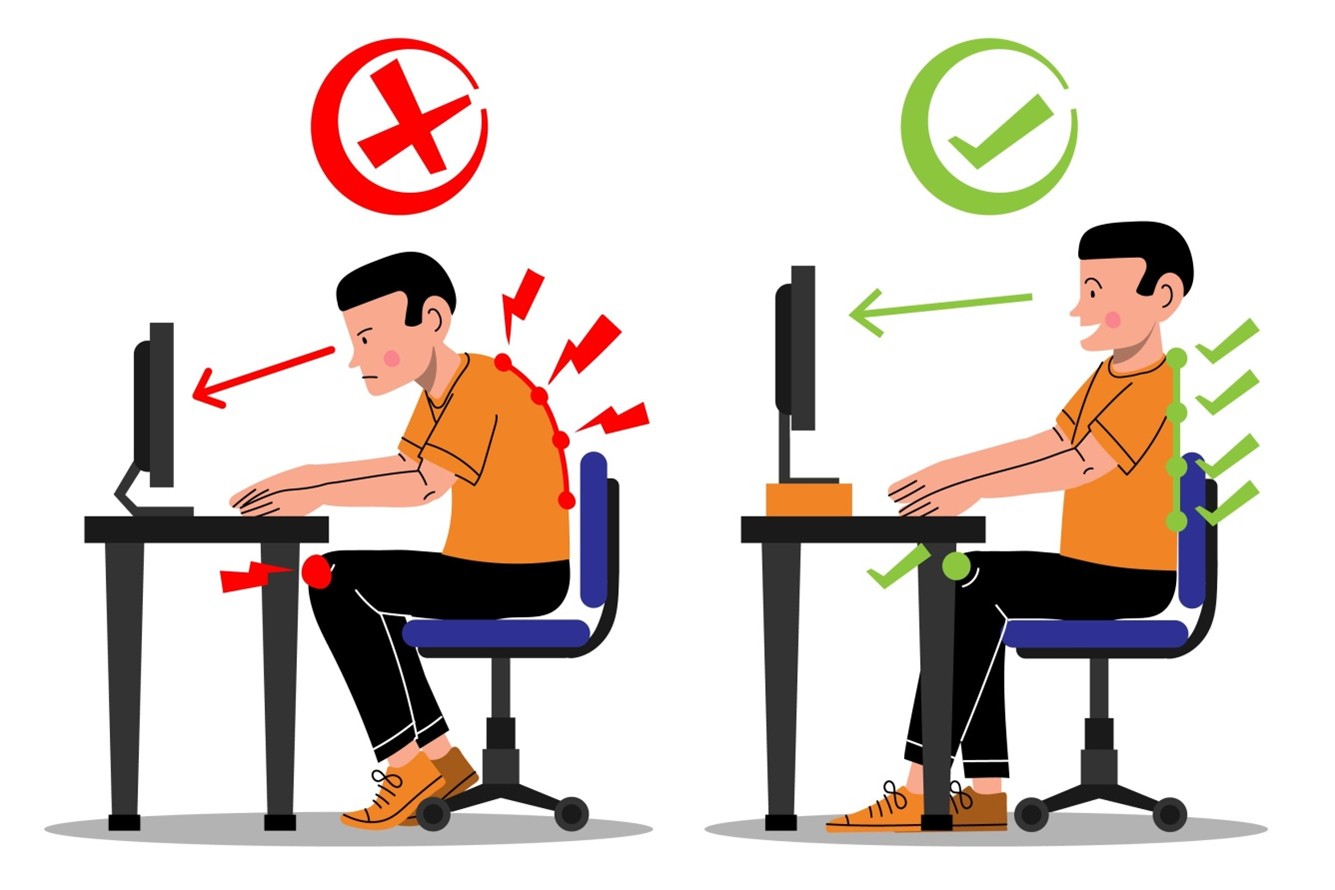
In some cases, sustained poor postures or movement patterns may contribute to increased stress on the muscles and joints around the rib cage and thoracic spine. Chiropractic assessment may help identify postural factors that could be contributing to symptoms. Treatment is often combined with exercise, movement advice, and ergonomic recommendations to support long-term improvements in comfort and function.
Can chiropractic care help athletes with rib-related pain?
Athletes may experience rib pain due to muscle strains, repetitive movements, contact injuries, or irritation of the joints and soft tissues around the rib cage. A chiropractor can assess whether symptoms are likely musculoskeletal in nature and, where appropriate, develop a management plan that may include manual therapy, rehabilitation exercises, activity modification, and guidance on a gradual return to sport.
How long does it take to see improvement with chiropractic care for rib pain?
Recovery times vary depending on the cause, severity, and duration of symptoms. Some people notice symptom improvement within a few treatment sessions, while others may require a longer period of rehabilitation. Recovery depends largely on the underlying condition, symptom duration, severity, and individual factors.
Is chiropractic treatment for rib pain safe?
Chiropractic services for rib pain are generally considered safe when a thorough assessment has determined that the symptoms are musculoskeletal in nature and the selected treatment is appropriate for the individual’s condition. Before treatment, a chiropractor should perform a thorough assessment to determine whether symptoms are likely musculoskeletal and to identify any signs that may require referral for medical evaluation.
When should I see a chiropractor for rib pain?
You may consider seeing a chiropractor if your rib pain is affecting your daily activities, seems related to movement or posture, persists despite self-care, or recurs frequently. It is important to note that symptoms such as chest pressure, difficulty breathing, significant trauma, fever, unexplained weight loss, or severe pain should be assessed by a medical professional as soon as possible.
Can chiropractic care be combined with other treatments for rib pain?
Yes. Chiropractic care is often used alongside other evidence-based approaches such as exercise therapy, physiotherapy, medical management, activity modification, and self-management strategies. The most appropriate treatment plan depends on the underlying cause of the rib pain and the individual’s specific needs.
Can a chiropractor help with intercostal muscle strain?
A chiropractor can assess whether symptoms are consistent with an intercostal muscle strain and provide management strategies aimed at supporting recovery. Treatment may include advice on activity modification, rehabilitation exercises, manual therapy where appropriate, and guidance on gradually returning to normal activities.
Can a chiropractor help with sports-related rib injuries?
Sports-related rib pain may result from muscle strains, impact injuries, overuse, or irritation of structures around the rib cage. A chiropractor can assess the injury, help identify contributing factors, and provide a rehabilitation plan focused on restoring movement, improving function, and supporting a safe return to activity.
Can chiropractic care help rib pain associated with scoliosis?
Some individuals with scoliosis experience discomfort around the ribs due to changes in spinal shape, muscle loading, and movement patterns. Chiropractic care may help manage associated musculoskeletal symptoms through exercise, mobility work, education, and manual therapy where appropriate. Patients frequently ask about specific exercises not allowed for scoliosis. It is important to note that exercise recommendations should be individualized rather than based on a universal list of prohibited movements.
How can a chiropractor help rib pain caused by prolonged desk work?
Prolonged sitting and sustained poor postures at the desk may contribute to stiffness, muscle tension, and discomfort around the thoracic spine and rib cage. A chiropractor can assess movement and postural factors that may be contributing to symptoms and provide strategies such as exercise, workstation advice, movement breaks, and manual therapy to help improve comfort and mobility.
How Chiropractors Assess Rib Pain
A chiropractor with an evidence-based musculoskeletal focus will typically perform a comprehensive assessment that includes:
- Detailed medical history
- Review of symptoms
- Physical examination
- Movement assessment
- Screening for serious pathology
- Identification of factors contributing to pain
The goal is to determine whether symptoms are likely musculoskeletal in nature, identify contributing factors, and determine whether referral for further medical investigation may be necessary.
Conclusion
The causes of rib pain can vary considerably, ranging from muscle strains and costochondritis to nerve irritation and other medical conditions. Causes of right rib pain, causes of left rib pain, causes of lower right rib pain, and causes of lower left rib pain often require consideration of both musculoskeletal and non-musculoskeletal factors. If rib pain is persistent, recurrent, or affecting your quality of life, seeking professional advice from a chiropractor, including our team at Agape Chiropractic Hong Kong may help guide the next steps and determine whether further medical evaluation is needed.