
Chiropractic care is generally considered safe during pregnancy when your chiropractor uses techniques modified for each trimester. That said, it’s a good idea to mention this to your OB/gynecologist, particularly if you’re in your first trimester or have a high-risk pregnancy, so your care stays properly coordinated.
Back pain during pregnancy is common enough that it’s easy to assume it’s just something to push through. Pregnancy changes almost everything about how your body carries weight and moves, and most of those changes place new strain on your back, hips, and pelvis. This guide walks through what typically happens trimester by trimester, what chiropractic care during pregnancy in Hong Kong actually involves, and when it’s worth checking with your doctor first — a question we hear often from patients weighing whether it’s the right time for them.
Why Pregnancy Puts Extra Strain on Your Back and Joints
A few physical changes happen together during pregnancy, and each one adds its own kind of strain. As the baby grows, your abdominal and breast weight increases, which shifts your centre of gravity forward and changes your posture without you necessarily noticing day to day. At the same time, a hormone called relaxin loosens the ligaments around your pelvis in preparation for birth, which is exactly what it needs to do, but it also makes the joints in your lower back and pelvis less stable in the meantime.
Roughly 80% of pregnant women in Hong Kong experience low back pain or sciatica-type symptoms at some point during pregnancy. That’s a large majority, which is part of why understanding what’s normal, and what care typically looks like, matters more than most people expect going in.
It’s also worth knowing that these changes don’t happen at a steady pace. Many women feel relatively fine through much of the second trimester and then notice a fairly sudden increase in discomfort as the third trimester progresses and the physical load peaks. That pattern is normal, not a sign that something has gone wrong, though it’s exactly the kind of shift to flag to whoever is caring for you.
First Trimester: What to Expect
Physical strain on the back and pelvis is usually still minimal in the first trimester, since the added weight and postural shift haven’t built up yet. The hormonal changes that will eventually loosen your joints are already beginning, though, even if you don’t feel their effects directly yet.
If you’re considering chiropractic care this early, gentle, low-force techniques are the standard approach industry-wide, and it’s worth mentioning your pregnancy to your chiropractor at the very first visit, even before it’s visibly obvious. As with any care during the first trimester, it’s sensible to check in with your OB/gynecologist first, simply so everyone involved in your care is on the same page.
Second Trimester: What to Expect
This is usually when the physical changes start becoming noticeable. Your growing belly begins shifting your centre of gravity forward in earnest, and lower back or early pelvic discomfort often starts to show up around this stage. Some women also notice occasional rib discomfort as posture adjusts to the changing weight distribution.
This is typically the point where pregnancy-modified adjustment techniques become more directly relevant, since there’s now a genuine postural shift to work with. Positioning during treatment is adapted to keep you comfortable, usually with supportive cushioning that takes pressure off the belly rather than having you lie flat.
Third Trimester: What to Expect
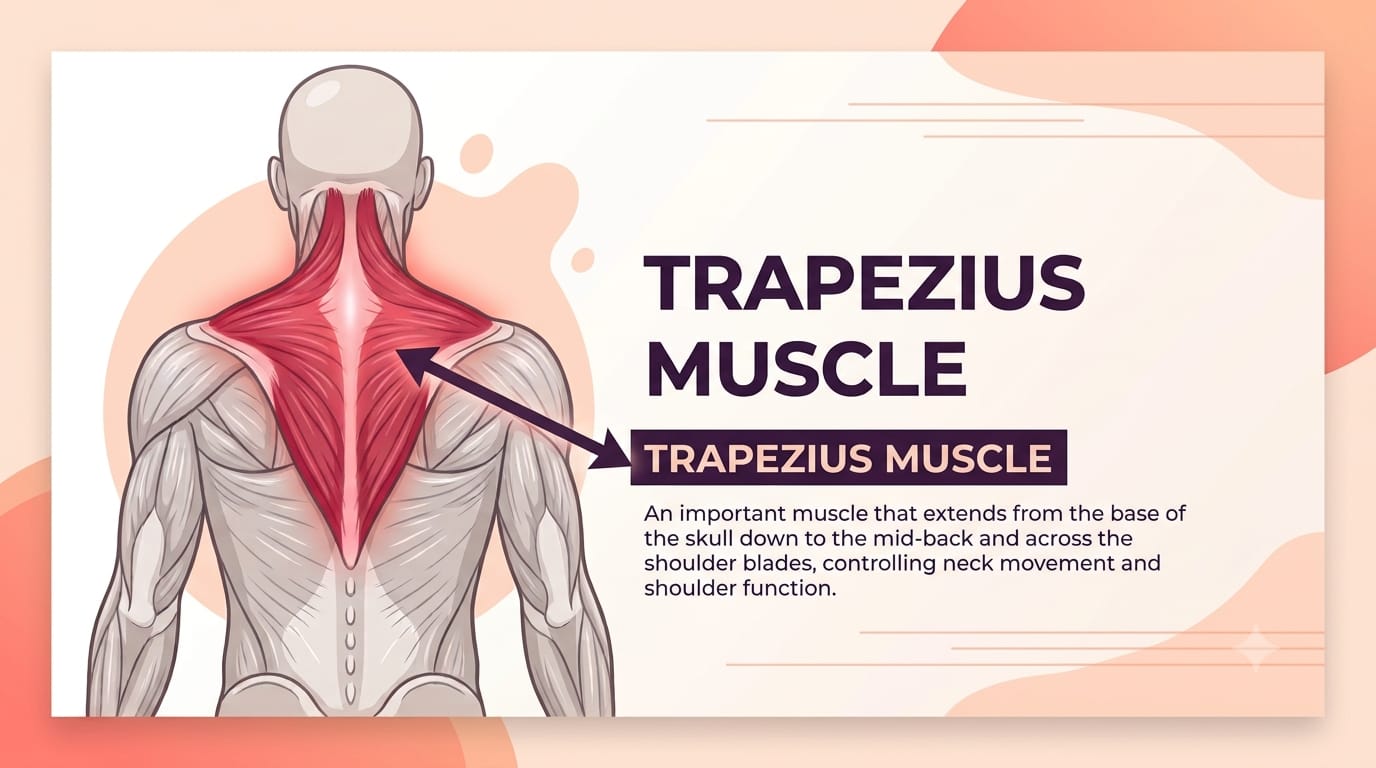
The third trimester carries the heaviest physical load, and it’s also when we see the most specific, week-by-week questions come up, whether that’s discomfort at 35 weeks, 36 weeks, or closer to delivery. Common complaints at this stage include tailbone and sacroiliac joint discomfort, upper back pain between the shoulder blades, and general hip or pelvic pressure.
Many women begin or intensify chiropractic care around the 25 to 28 week mark, when discomfort typically becomes harder to ignore, and a check-up in the third trimester is often considered a sensible part of general birth preparation. If you’re dealing with tailbone pain specifically, that’s one of the more common third-trimester complaints we see, and it usually responds well to gentle, targeted care.
Sciatic-type pain, where discomfort radiates down through the hip or leg, also tends to show up more frequently in the third trimester as the baby’s position and your changing posture put additional pressure on nearby nerves. This isn’t the same as pre-pregnancy sciatica, but the underlying mechanism, pressure on a nerve pathway, is similar enough that a similar assessment-first approach applies.
Beyond Back Pain: Other Pregnancy-Related Discomfort We See
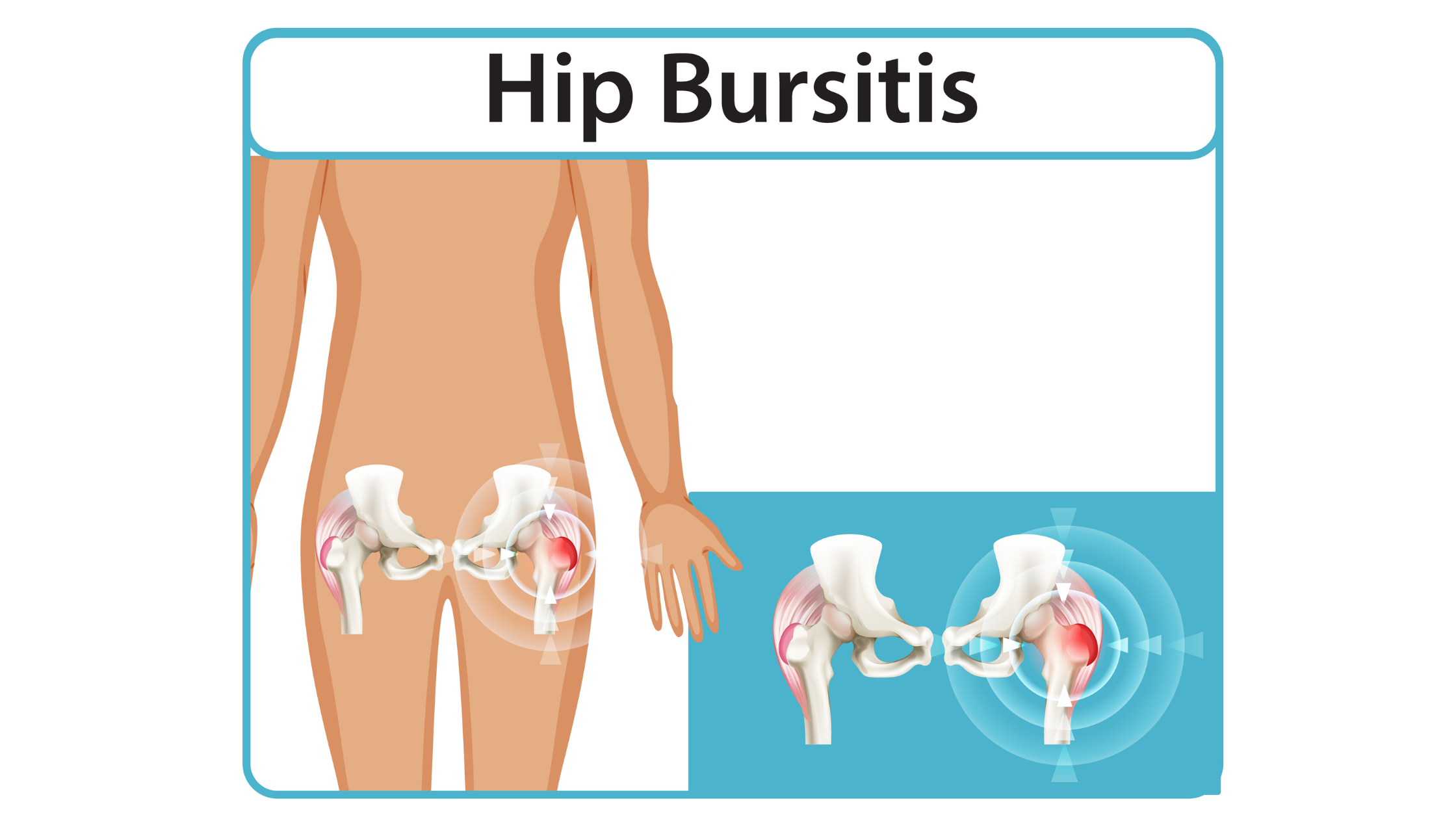
Back and pelvic pain get most of the attention, but they’re not the only musculoskeletal changes pregnancy can bring.
- Trigger finger — fluid retention during pregnancy can put pressure on the tendons in your hand, sometimes leading to a finger catching or locking. You can read more in our guide on trigger finger, which covers the same underlying mechanism.
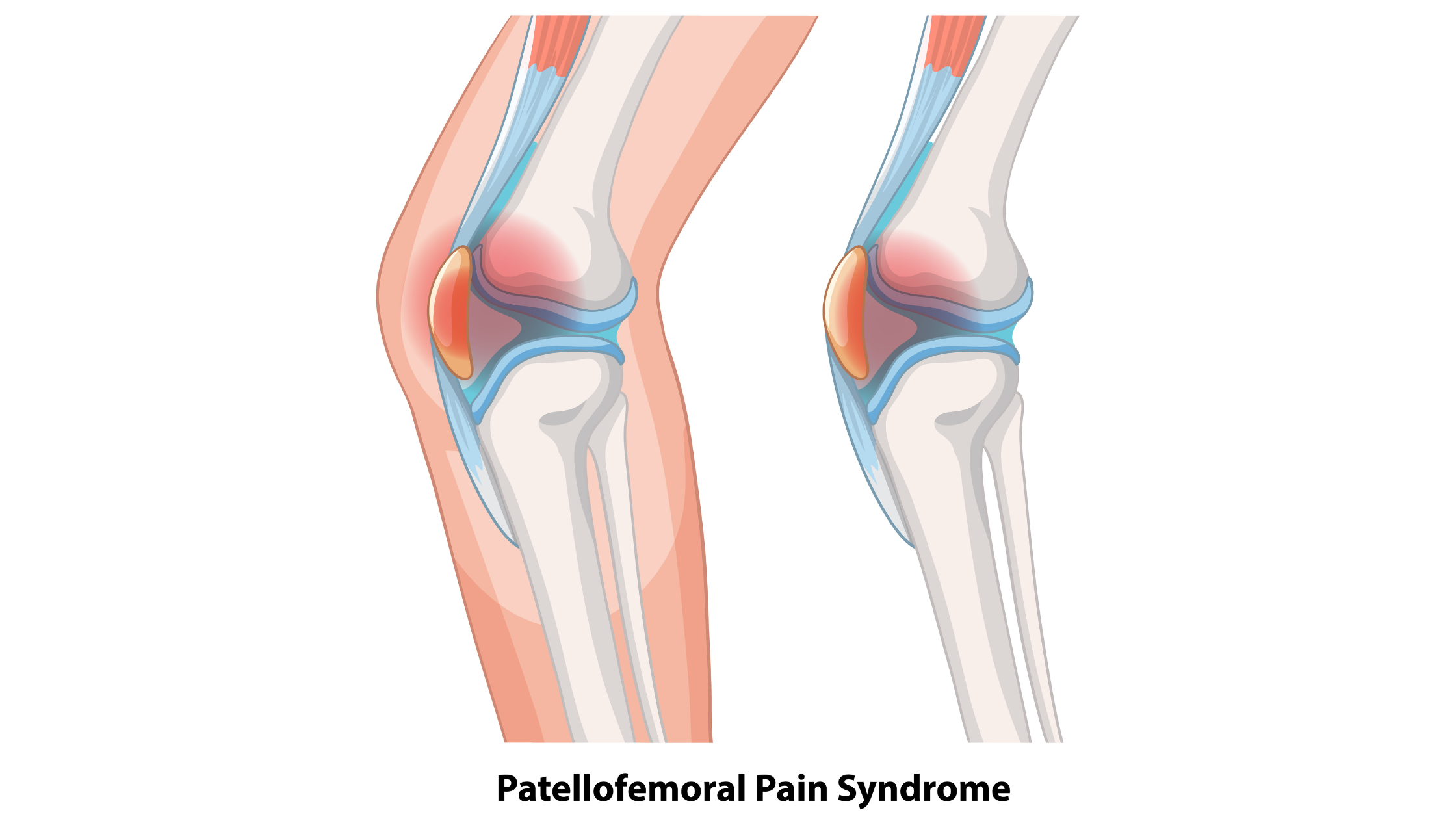
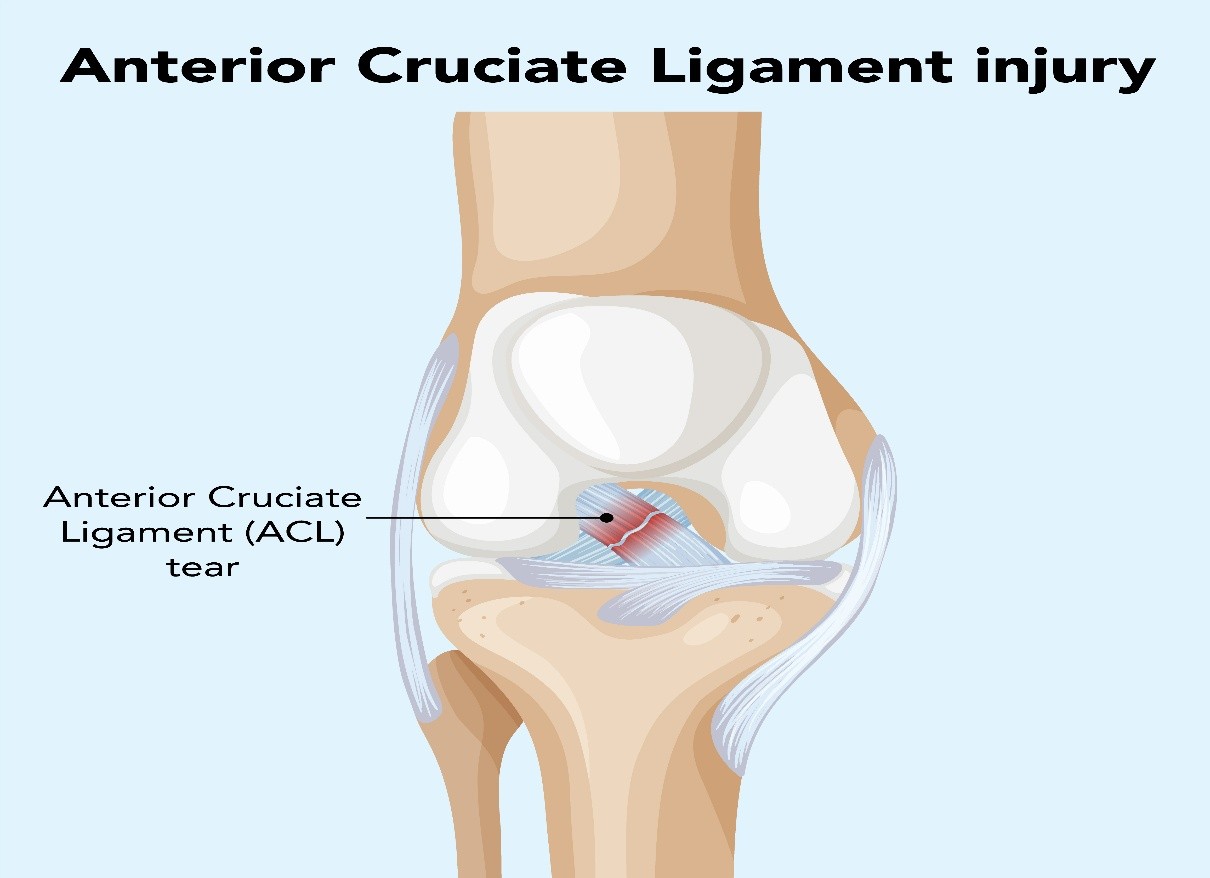
- Knee and kneecap discomfort — weight distribution changes can affect how load moves through the knee, sometimes contributing to patellofemoral pain, particularly later in pregnancy.
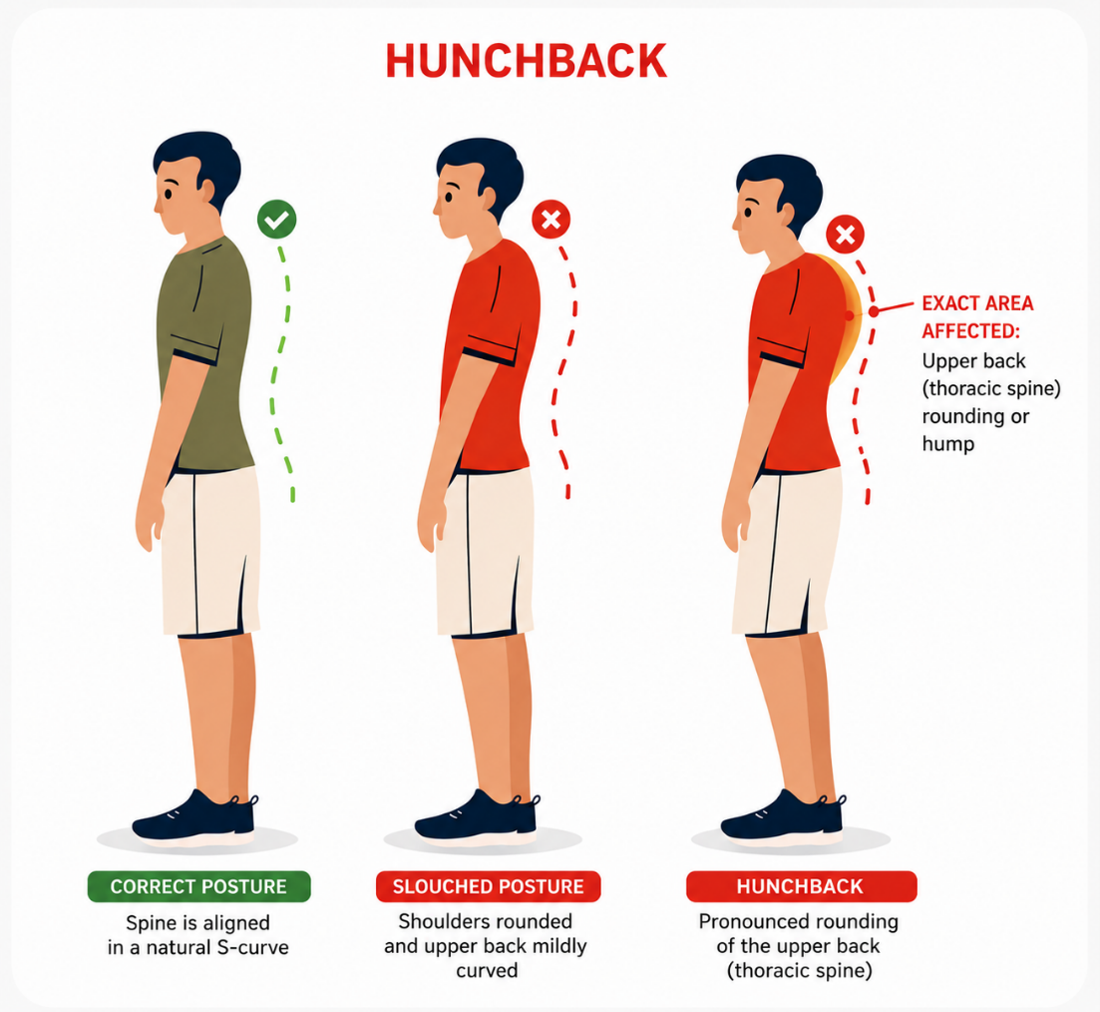
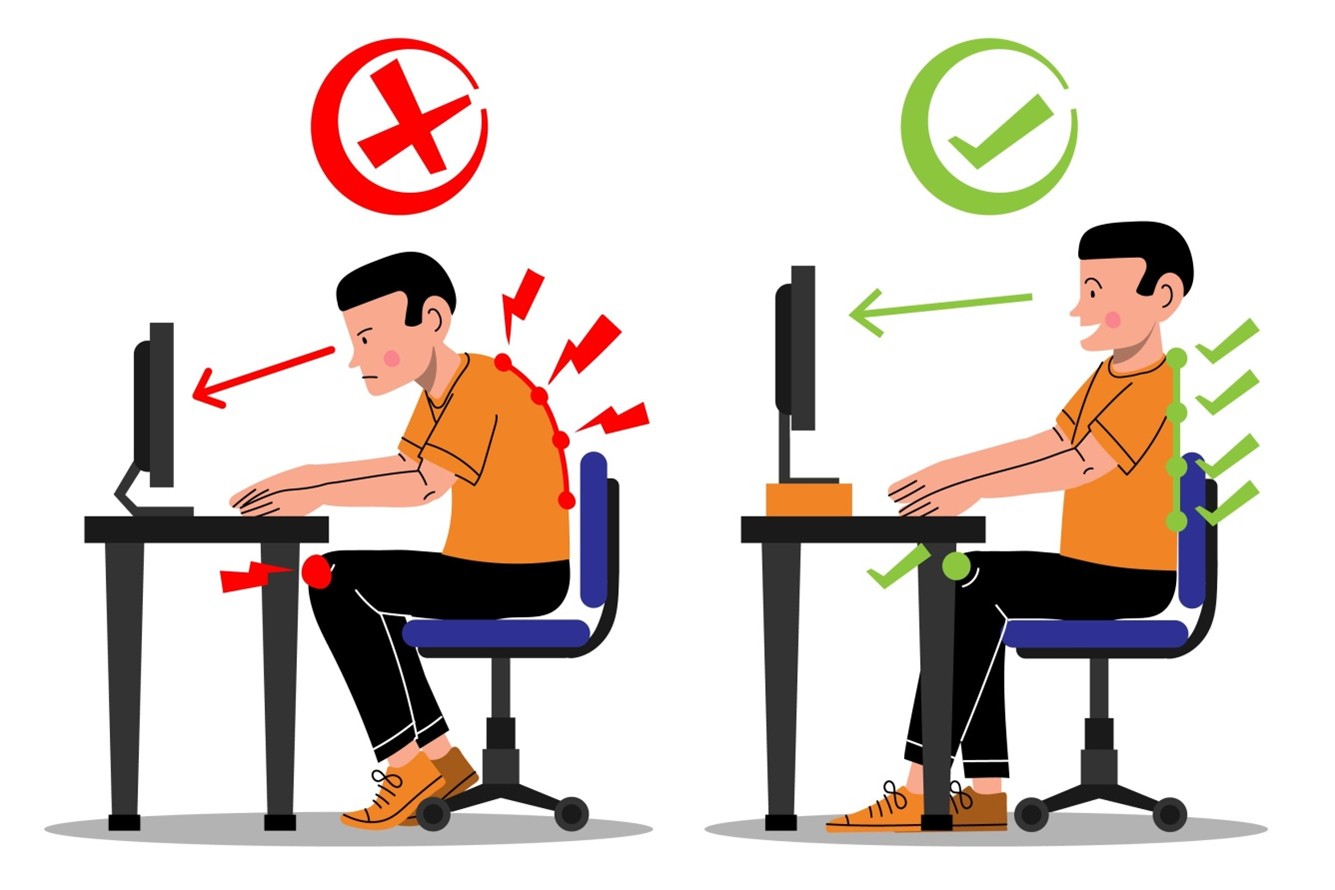
- Upper back and neck posture changes — as posture adapts to a shifting centre of gravity, some women notice increased rounding through the upper back and neck, similar to the pattern described in our piece on upper back and neck posture changes.
None of these are unique to pregnancy, but pregnancy is a common enough trigger that it’s worth knowing the connection exists.
What a Pregnancy-Safe Adjustment Actually Looks Like
A chiropractic adjustment during pregnancy isn’t simply a regular adjustment performed more carefully. It’s a genuinely modified approach, starting with how you’re positioned. Instead of lying flat, most clinics use a specially designed table or supportive cushioning that keeps pressure off your belly and lets you lie comfortably on your side or in a supported position.
The techniques used are typically lower-force than a standard adjustment, especially around the lower back and pelvis, and your chiropractor should be actively avoiding any positioning or pressure that isn’t appropriate for where you are in your pregnancy. If something doesn’t feel right during a session, say so — pregnancy-safe care depends on that feedback loop working both ways.
Managing Discomfort Between Visits
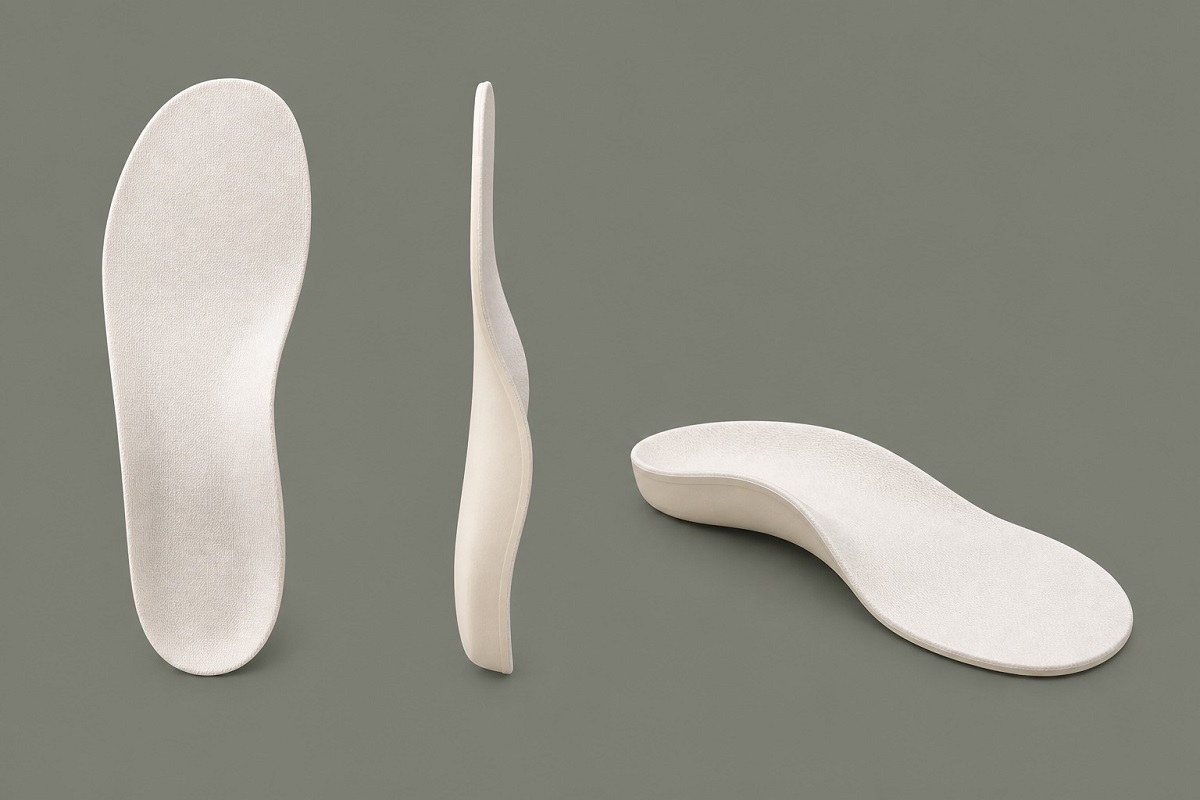
Alongside professional care, a few general adjustments can help with day-to-day comfort. Sleeping on your side with a pillow between your knees helps keep your pelvis aligned overnight. Supportive, low-heeled footwear reduces the postural strain that builds up over a long day on your feet. Standing and sitting breaks every 30 to 45 minutes, rather than staying in one position for hours, can prevent stiffness from settling in. None of this replaces an assessment if pain is persistent, but it’s a reasonable starting point for the milder day-to-day discomfort many women experience.
What to Expect at Your First Prenatal Chiropractic Visit
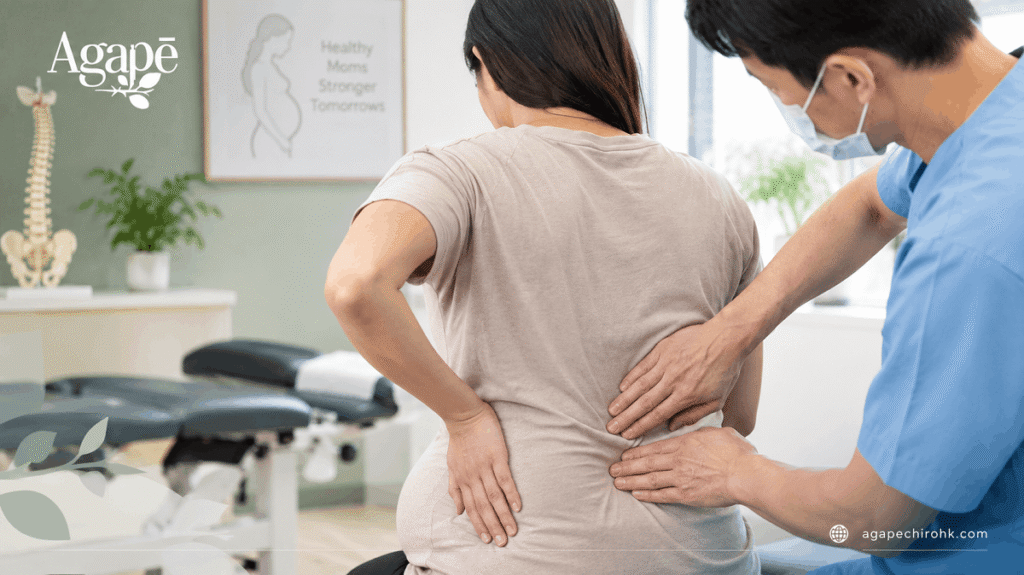
A first visit during pregnancy follows the same basic structure as any first chiropractic visit, with a few pregnancy-specific additions. Alongside the usual health history and physical assessment, your chiropractor should ask specifically about which trimester you’re in, any pregnancy complications, and whether your OB/gynecologist has flagged anything relevant to your care.
From there, the assessment focuses on posture, pelvic alignment, and how your gait has changed as your pregnancy has progressed, rather than assuming the same generic starting point used for a non-pregnant patient. If treatment is appropriate on the same visit, it will use the pregnancy-modified positioning and lower-force techniques described earlier in this guide.
Common Concerns About Chiropractic Care During Pregnancy
A few concerns come up often enough that they’re worth addressing directly.
“Will the adjustment put pressure on my belly?” No. Pregnancy-safe treatment tables and positioning are specifically designed to avoid any pressure on the abdomen, which is one of the main reasons the equipment and approach differ from a standard adjustment.
“Is it safe this late in pregnancy?” Third-trimester care is common and, for many women, is when discomfort is at its peak and care is most sought after. The techniques used are simply adapted to where you are.
“Will it trigger labour?” A properly performed, pregnancy-modified adjustment isn’t intended to and shouldn’t induce labour. If you’re near your due date and have specific concerns about this, it’s worth raising directly with both your chiropractor and your OB/gynecologist.
When to Check With Your Doctor First
Chiropractic care during pregnancy is generally considered safe, but a few situations are worth flagging to your OB/gynecologist before or alongside starting care: any pregnancy considered high-risk, any bleeding or unusual symptoms, or simply general uncertainty about whether it’s the right time. This isn’t a formality — it’s the same standard, responsible guidance you’d get from any properly run clinic, and it keeps everyone involved in your care working from the same information.
Frequently Asked Questions
Is chiropractic care safe during pregnancy?
This is the question we hear most often, and it’s a fair one to ask before booking anything. The answer mainly comes down to two things: whether your chiropractor uses techniques modified for pregnancy, and whether they’re aware of which trimester you’re in. It’s still a good idea to loop in your OB/gynecologist, particularly in the first trimester or with a high-risk pregnancy.
Can I see a chiropractor while pregnant without a doctor’s referral?
You don’t need a referral to see a chiropractor in Hong Kong if you’re paying out of pocket. If you plan to claim through insurance, check your specific policy, since referral requirements vary between providers.
When should I start chiropractic care during pregnancy?
There’s no single right time — some women start as soon as discomfort begins, often around 25 to 28 weeks, while others come in earlier or later depending on their symptoms. A third-trimester check-up is a sensible general guideline if you haven’t sought care earlier.
What’s normal back pain in pregnancy vs. something to get checked?
Mild, intermittent discomfort that eases with rest or position changes is common. Pain that’s severe, doesn’t improve, or comes with other symptoms like numbness, tingling, or swelling is worth getting properly assessed rather than assuming it’s just a normal part of pregnancy.
How many chiropractic sessions might I need during pregnancy?
This varies by how much discomfort you’re experiencing and how your body responds to care. Some women see noticeable improvement after just a few sessions, while others with more persistent discomfort benefit from ongoing, spaced-out visits through the remainder of the pregnancy. Your chiropractor should give you a general estimate after your first assessment.
How do I find a chiropractor during pregnancy near me in Hong Kong?
Look for a chiropractor registered with the Chiropractors Council of Hong Kong who has specific experience with prenatal care, since the positioning and techniques used differ meaningfully from standard treatment. It’s reasonable to ask directly about their experience with pregnant patients before booking.
Can chiropractic care help after pregnancy too?
Yes. Many of the same postural and joint changes that cause discomfort during pregnancy don’t resolve immediately after delivery. If you’re dealing with back pain after pregnancy, the same assessment-first approach applies.
Considering Chiropractic Care During Your Pregnancy?
If you’re dealing with back, hip, or pelvic discomfort at any stage of pregnancy, an assessment can help clarify what’s going on and whether chiropractic care is a sensible fit for your specific situation. Agape provides chiro for pregnant women at every stage, from early discomfort through the final weeks before delivery. You can reach us at 2777 3377 to book an assessment at Unit A, 8/F, World Trust Tower, 50 Stanley Street, Central.