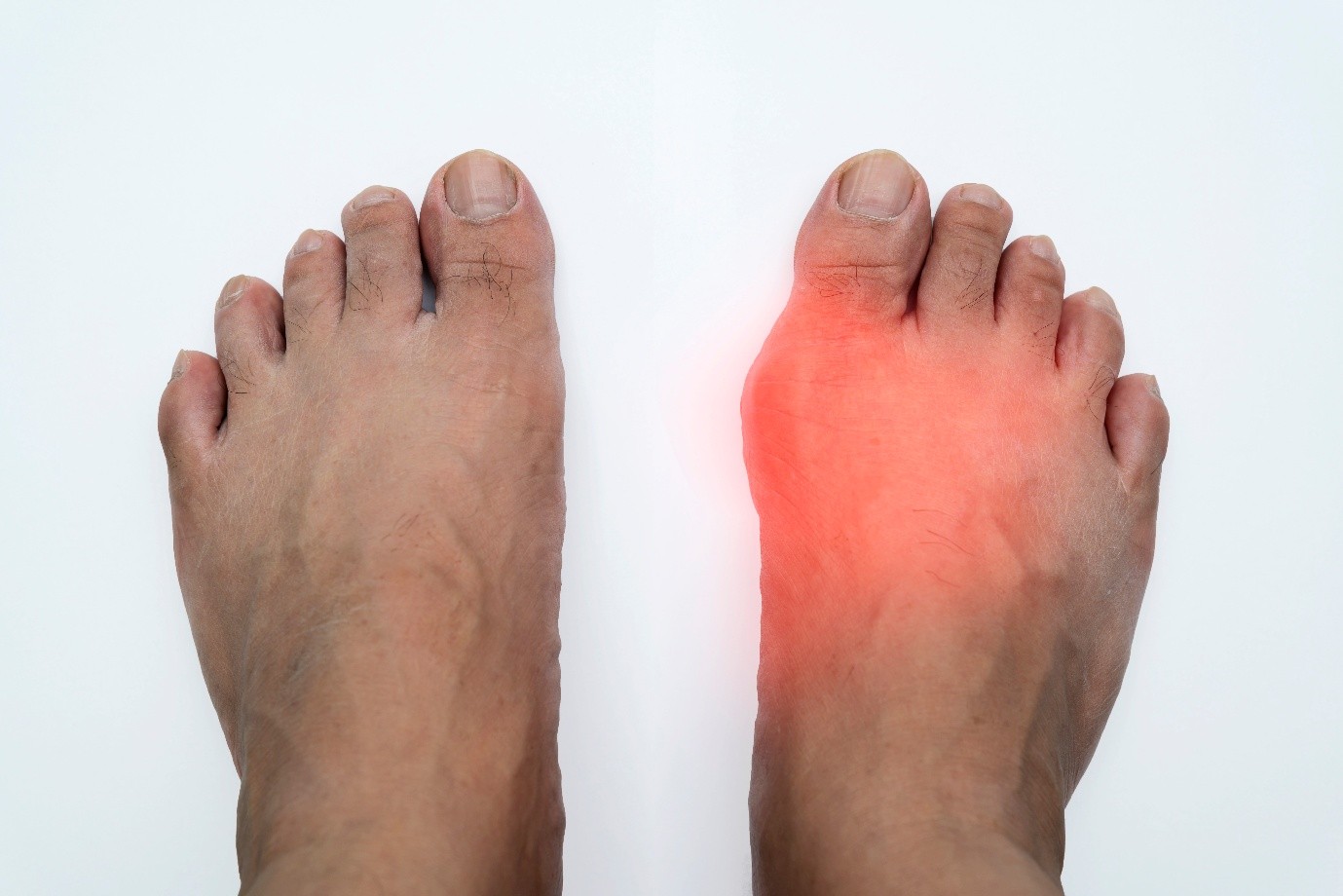
You may notice a jelly-like bump on your hand, wrist, foot, or ankle and wonder what it is. This soft lump, which can appear gradually and cause mild discomfort, is often a ganglion cyst. One of the most common questions people have is whether ganglion cysts will go away on their own. In this post, we’ll discuss what a ganglion cyst is, why it may form, and the available treatment options.
What is a Ganglion Cyst?
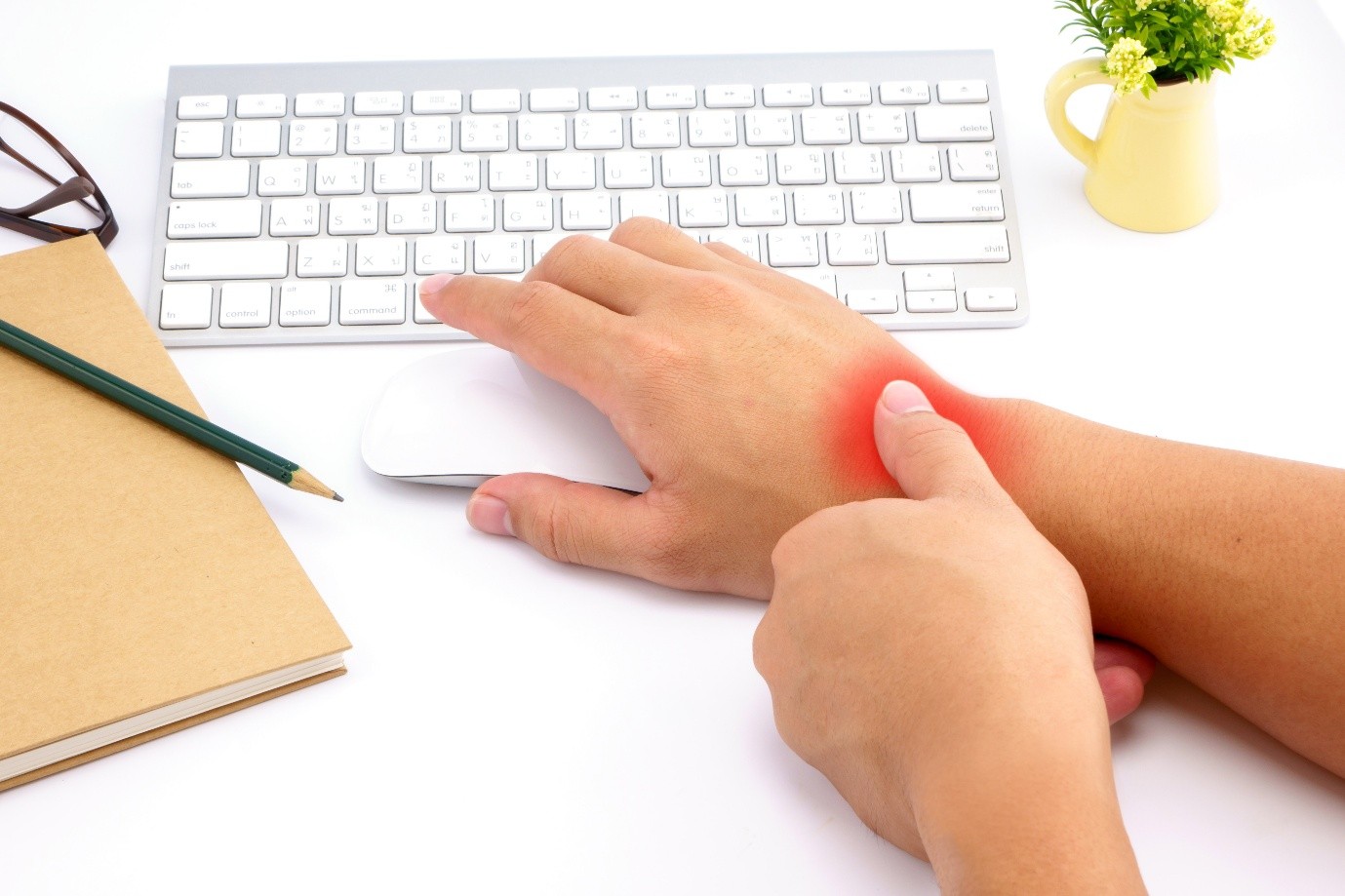
A ganglion cyst is a non-cancerous, fluid-filled lump that forms on or near a joint or tendon sheath. These cysts can vary in size and may sometimes appear to fluctuate with activity levels. They are most commonly found on the back of the wrist, the fingers, the palm side of the wrist, and the top of the foot. While generally harmless, they can sometimes cause pain, numbness, or muscle weakness if they press on a nearby nerve.
Why Do Ganglion Cysts Develop?
The exact cause of ganglion cysts is not fully understood,but they are often associated with changes in the joint or tendon tissue. Several factors may contribute to their development:
- Joint or Tendon Stress: One theory suggests that stress or minor, repetitive changes to a joint or tendon can lead to the formation of a small sac that then fills with fluid.
- Previous Injury: A prior injury or sprain to a joint may increase the likelihood of a cyst developing in that area.
- Joint Overuse: Repetitive motions of the wrist or ankle are commonly linked to the appearance of ganglion cysts.
- Underlying Arthritis: People with arthritis in a nearby joint, particularly in the fingers, may have a higher chance of developing a ganglion cyst.
Early Stage of a Ganglion Cyst
In the initial stages, a ganglion cyst may appear as a very small, barely noticeable bump. It can remain stable or grow gradually, often becoming more prominent with activity. At this stage, cysts frequently cause little or no pain. While not always necessary, early identification can help you monitor the cyst and make informed decisions about management if discomfort arises.
Can a Ganglion Cyst Heal Naturally?
In short, yes, it is possible. Many ganglion cysts can disappear on their own without any medical treatment. This spontaneous resolution is more likely with small, painless cysts. However, not all cysts will disappear; some may persist unchanged for years, while others might grow or begin to cause discomfort over time.
Ways to Manage a Ganglion Cyst Naturally
While natural methods cannot guarantee a cyst will disappear, they can help manage symptoms and prevent irritation.
- Rest the Affected Joint: Avoiding repetitive motions that irritate the cyst can help reduce discomfort and prevent it from growing.
- Warm Compresses: Applying warmth may help soothe discomfort and ease muscle tension around the joint.
- Wearing a Brace or Splint: Immobilizing the joint with a splint or brace can minimize irritation and may allow the cyst to settle.
- Gentle Massage: Lightly massaging the area around the cyst may promote circulation, but avoid pressing directly on the cyst itself.
Chiropractic Treatment for Ganglion Cysts
A HK Chiropractor at Agape Chiropractic Hong Kong can offer supportive care for individuals with ganglion cysts.While chiropractic care does not directly remove the cyst, it focuses on:
- Improving the alignment and function of the affected joint
- Reducing mechanical stress on the surrounding tissues
- Supporting healthier movement patterns to minimize irritation
- Recommending specific exercises to improve strength and flexibility
This approach can help address the underlying joint irritation that may be associated with the cyst, potentially reducing discomfort and improving joint function.
Conclusion
While ganglion cysts can be a nuisance,understanding their nature, the potential for natural resolution, and the available management options can help you decide on the best next steps. If you are unsure whether your cyst needs care, the chiropractors at Agape Chiropractic Hong Kong can provide an assessment and guide you toward an effective solution for managing your symptoms.
A sacroiliac sprain is another type of joint issue that can cause lower back and pelvic discomfort, and you can read more about this condition in our recent blog. Like ganglion cysts, proper care and chiropractic support can help manage pain and promote recovery.
Other Useful link: