You may have noticed a bony bump forming at the base of your big toe, which can make standing, walking, or finding comfortable shoes a challenge. This common condition, known as hallux valgus (or a bunion), can significantly impact daily life. Many people manage its symptoms without knowing its name or the evidence-based care options available.
What is Hallux Valgus?
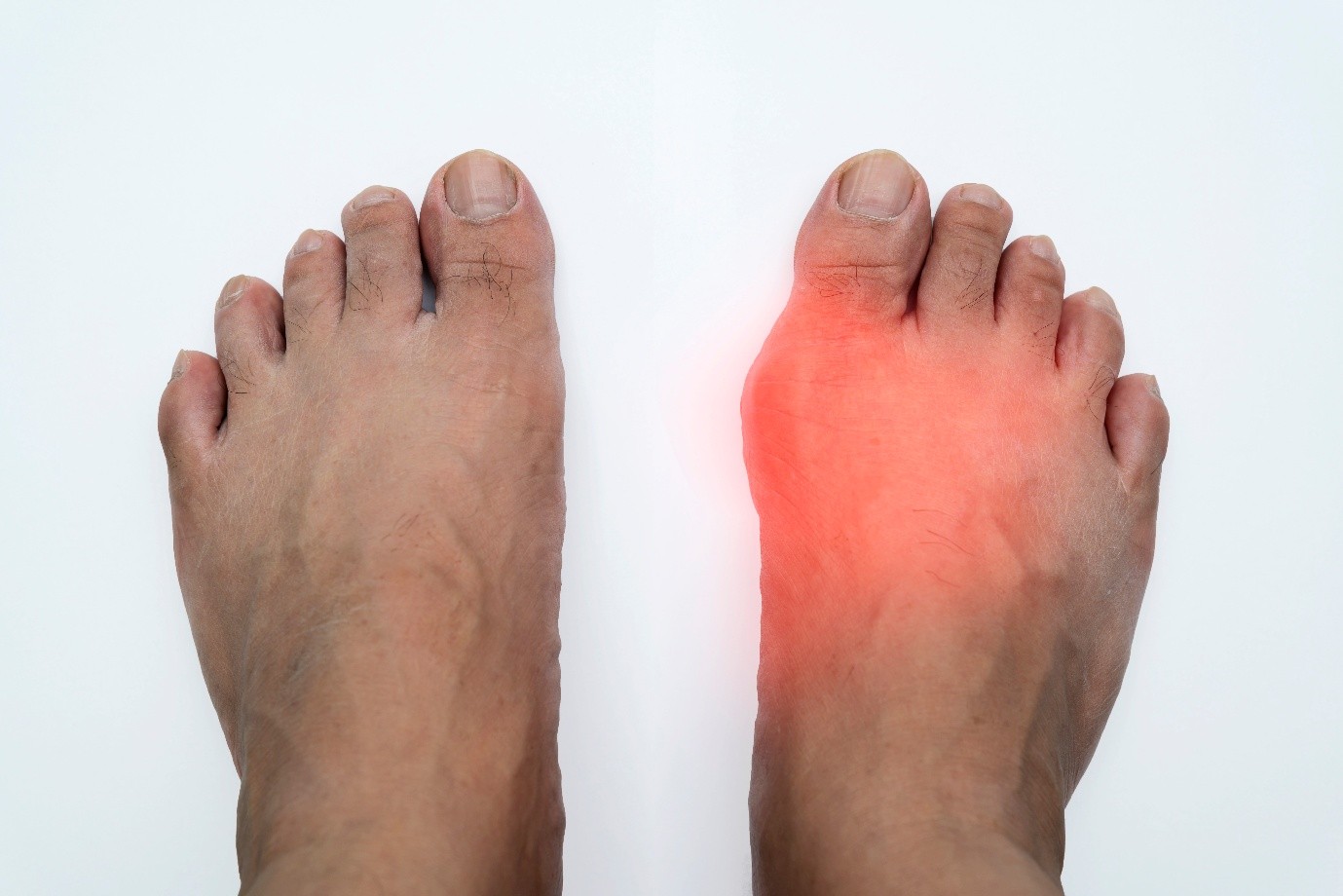
Hallux valgus is a progressive structural deformity of the foot. It occurs when the big toe drifts inward toward the second toe, causing the joint at its base (the first metatarsophalangeal joint) to become prominent and often painful. This shift alters normal foot mechanics, which can affect walking patterns and place stress on other areas of the foot, knee, and hip.
What Are the Common Causes of Hallux Valgus?
Modern understanding points to a combination of factors, rather than a single cause:
- Genetics & Foot Structure: Inherited foot types, such as flat feet (pes planus) or hypermobility, can predispose individuals to developing bunions by affecting how weight is distributed across the foot.
- Footwear: While not the sole cause, consistently wearing narrow, pointed, or high-heeled shoes can exacerbate the condition by forcing the toes into an unnatural position.
- Muscle & Soft Tissue Imbalances: Weakness in the intrinsic foot muscles or tightness in the calf and Achilles tendon can contribute to faulty mechanics that increase stress on the big toe joint.
- Altered Biomechanics & Overuse: Repetitive stress from prolonged standing, walking, or certain activities can strain the forefoot if underlying biomechanical inefficiencies are present.
- Previous Foot Injuries: Trauma can alter joint integrity and movement patterns, potentially accelerating degenerative changes.
When Should You Consider Seeking Professional Care?
While not all bunions require intervention, a professional assessment is recommended if you experience:
· Persistent pain at the big toe joint.
· Visible enlargement or progressive change in the toe’s alignment.
· Redness, swelling, or stiffness around the joint.
· Difficulty with footwear or activities.
· Development of associated pain in the ball of the foot, arch, or heel.
Early, proactive management is key to slowing progression and maintaining function. Booking an appointment with an evidence-based Hong Kong chiropractor can provide a personalized, biomechanical assessment.
How Can an Evidence-Based Chiropractor Help?
As musculoskeletal specialists, we focus on the functional management of hallux valgus. Our goal is not to “reverse” the bony change but to address the underlying mechanics, reduce pain, improve function, and prevent worsening. At Agape Chiropractic Hong Kong, care involves the following components:
- Comprehensive Gait & Postural Analysis: We assess how you stand, walk, and move. This includes examining your feet, ankles, knees, hips, and spine, as dysfunction in one area can create compensatory stress elsewhere, including the forefoot.
- Manual Therapy for Joint Mobility: Gentle, controlled mobilizations (adjustments) may be applied to restricted joints in the foot, ankle, or even the lower limb. The aim is to restore optimal, pain-free range of motion and reduce mechanical stress on the big toe joint.
- Soft Tissue Therapy: We use techniques like instrument-assisted soft tissue mobilization and targeted stretching to address tight calf muscles, plantar fascia, and connective tissue, which can pull the foot out of ideal alignment.
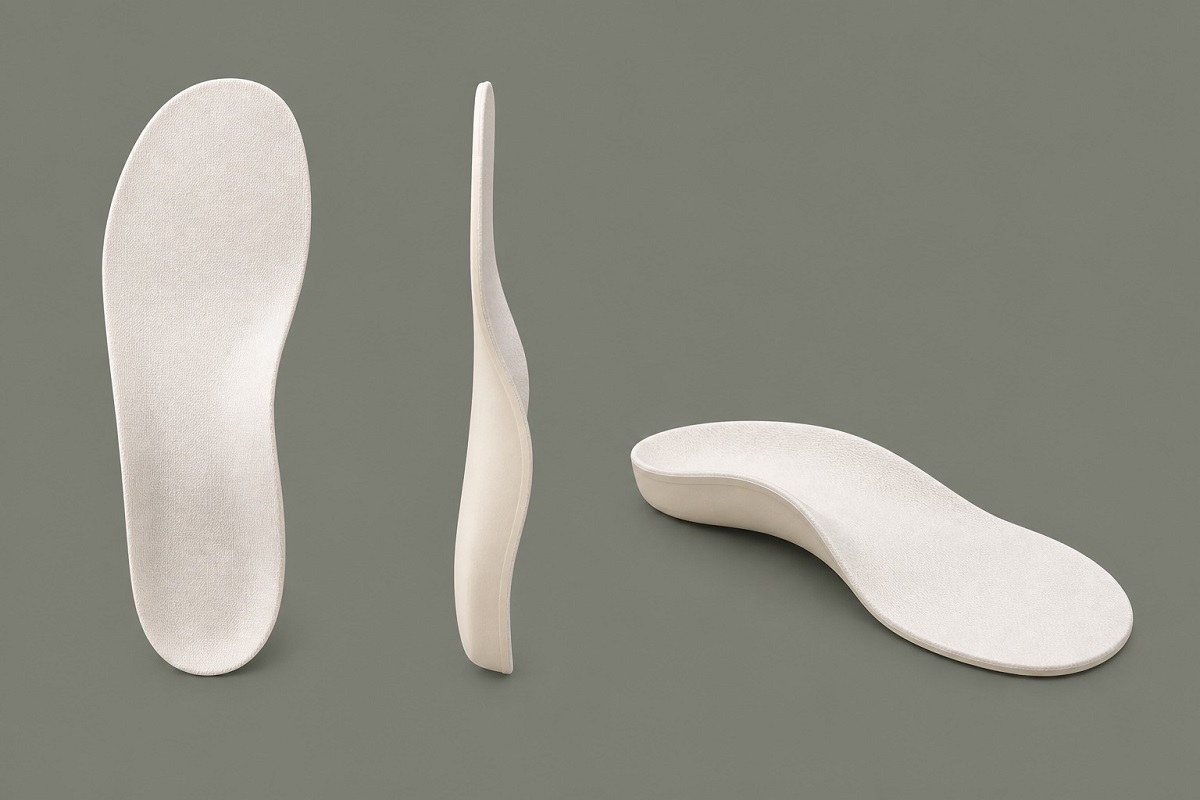
- Rehabilitative Exercise & Footwear Guidance: A core part of care involves strengthening weak foot and ankle stabilizers. We may also provide guidance on supportive footwear and, if indicated, discuss the role of custom orthotics to better support the arch and redistribute pressure—a critical step for managing both the bunion and any associated heel pain.
- Activity Modification & Gait Retraining: You’ll receive practical advice on modifying activities and retraining movement patterns to offload the stressed joint. Improving overall lower-limb biomechanics is essential for long-term management.
Conclusion
Hallux valgus is a common but manageable condition. Through an evidence-based, biomechanical approach focused on joint function, muscle balance, and rehabilitative exercise, a Hong Kong chiropractor can help you reduce pain, improve foot function, and slow the condition’s progression. This comprehensive approach also serves as an effective solution to heel pain often associated with altered foot mechanics. If you are experiencing discomfort or noticing changes in your foot structure, seeking a professional assessment is a proactive step toward maintaining your mobility and comfort.