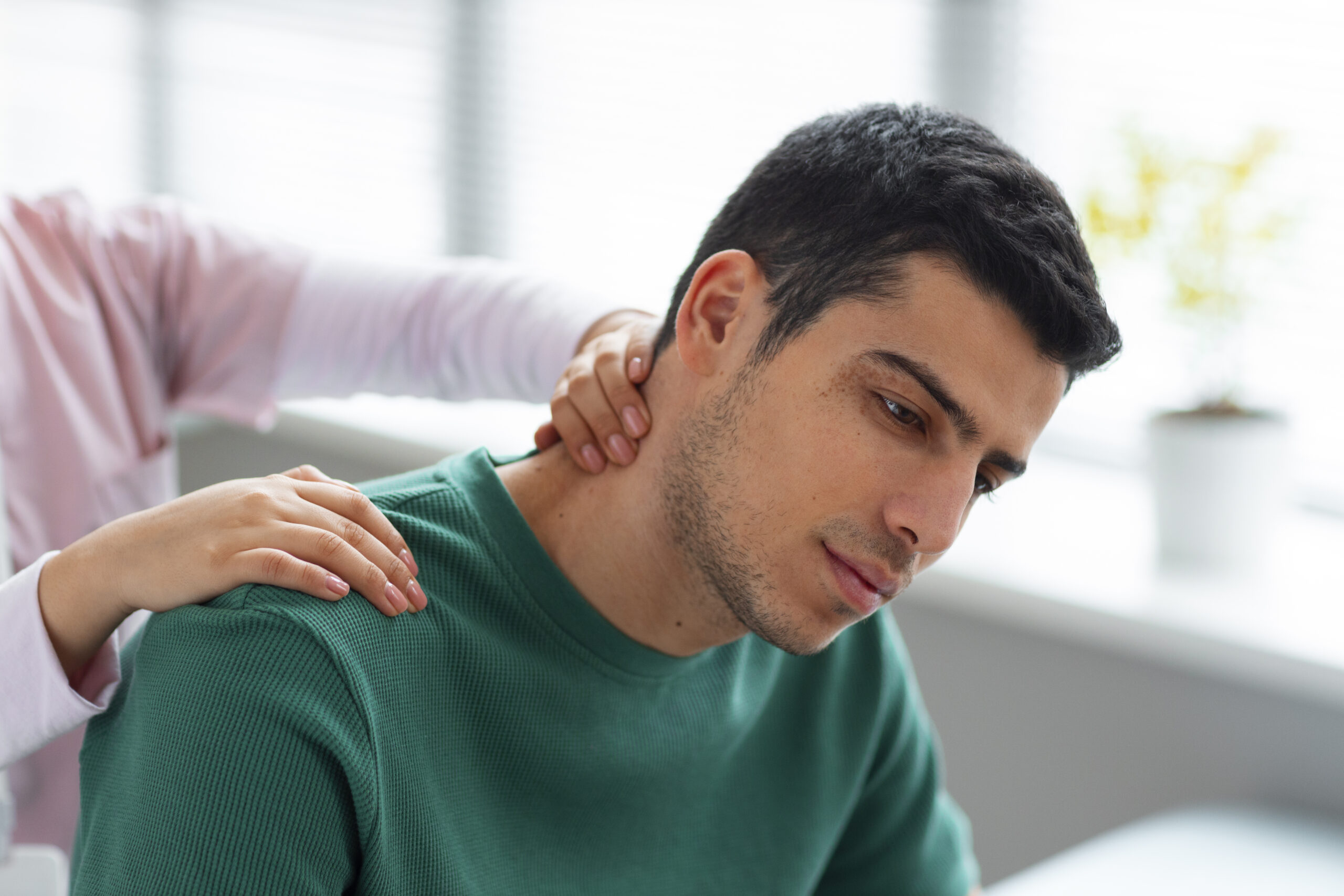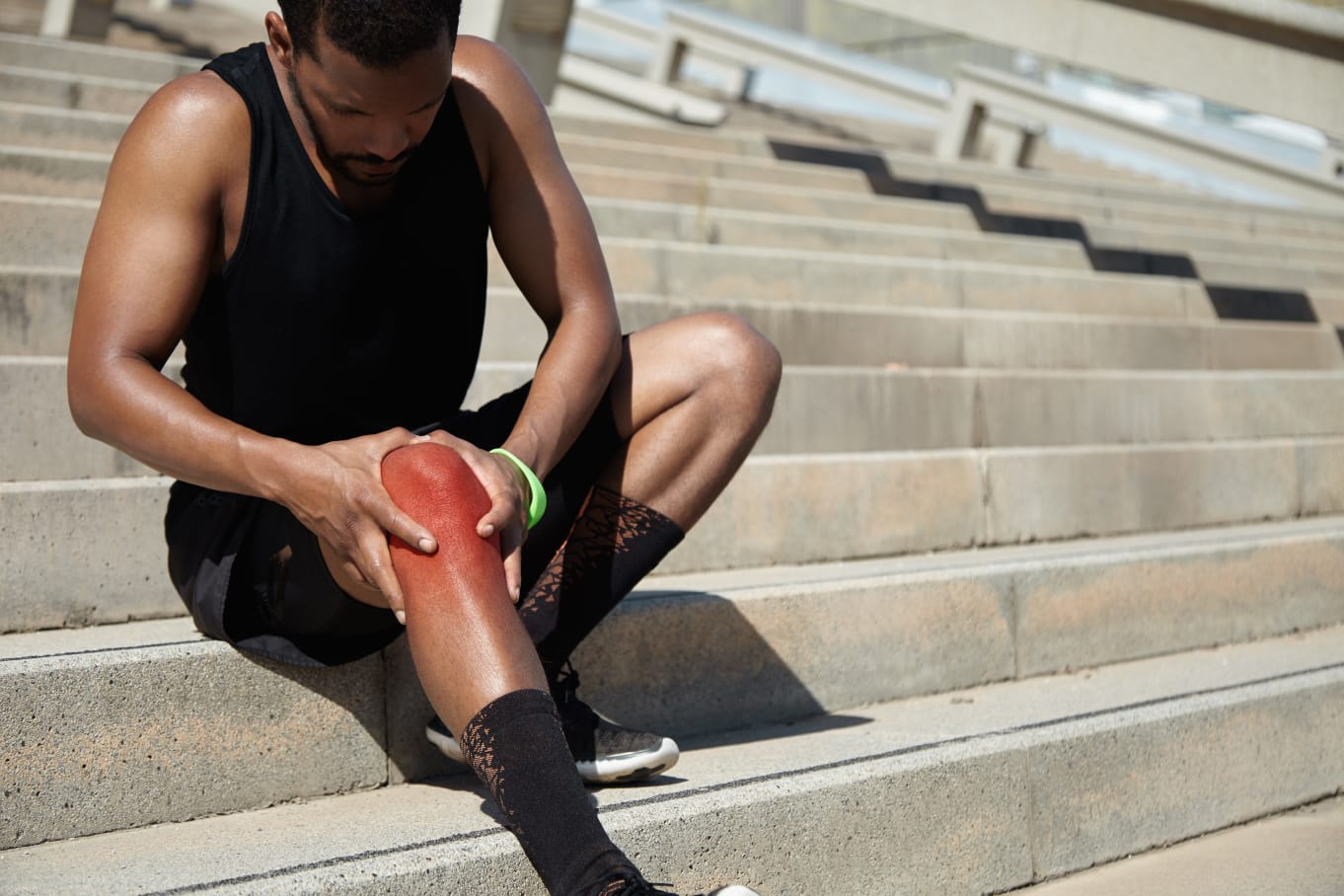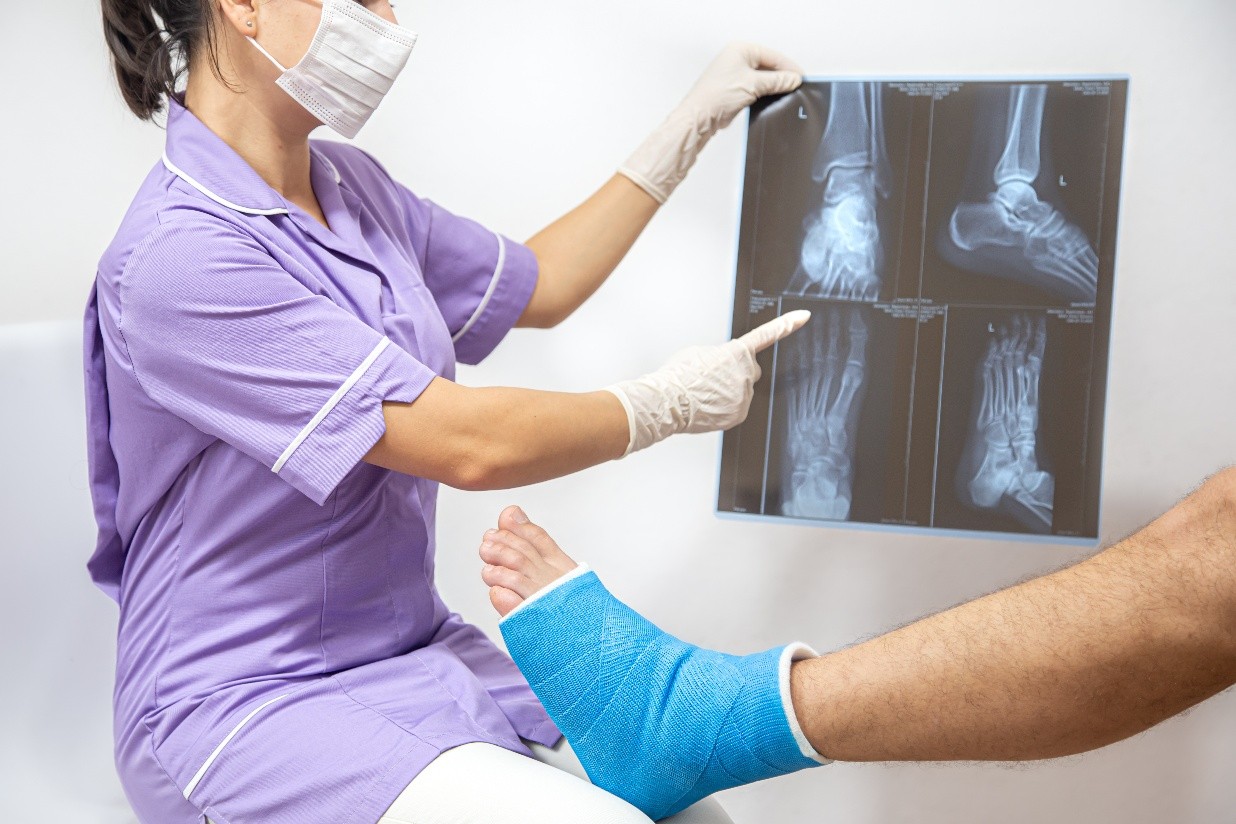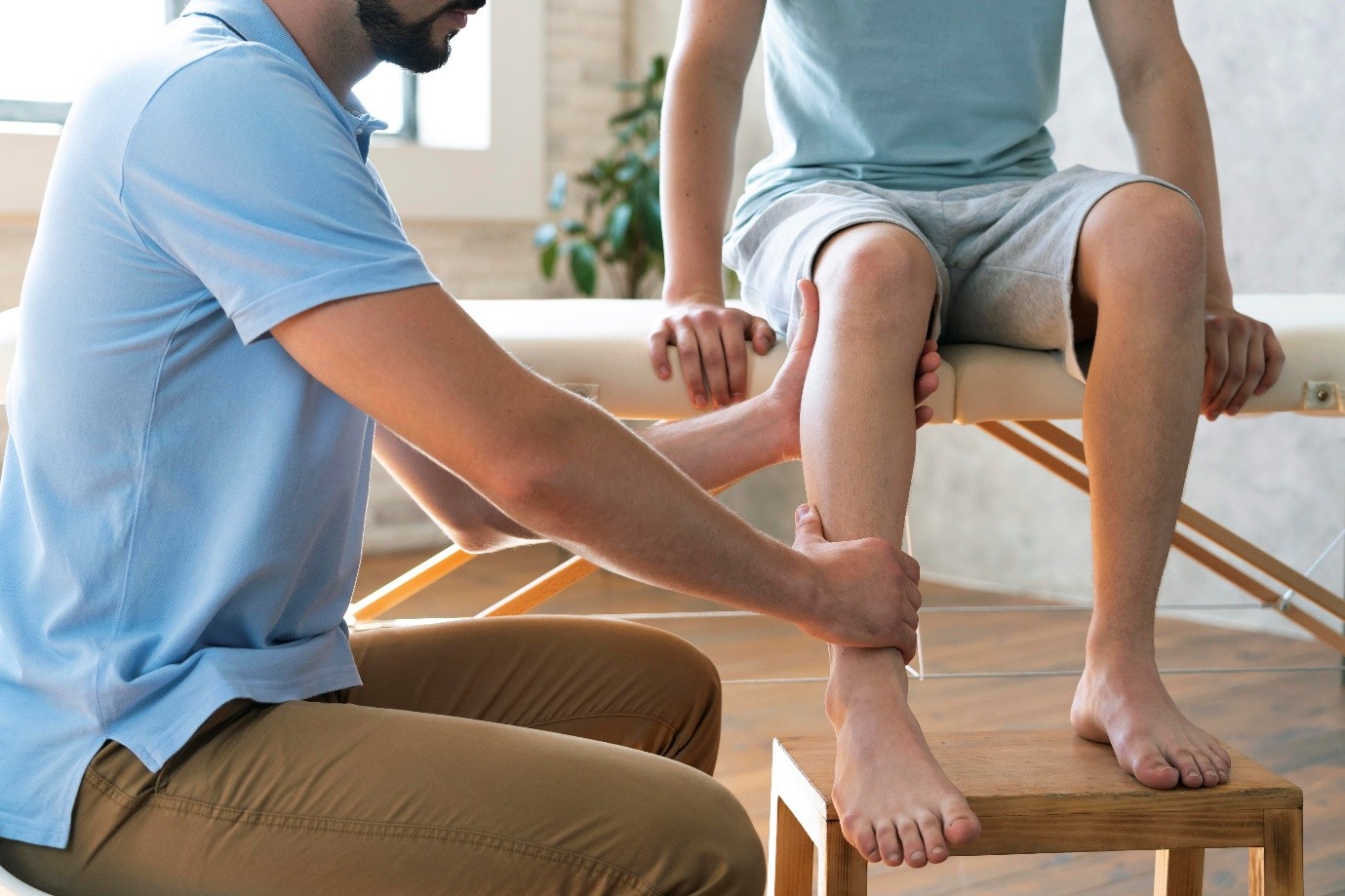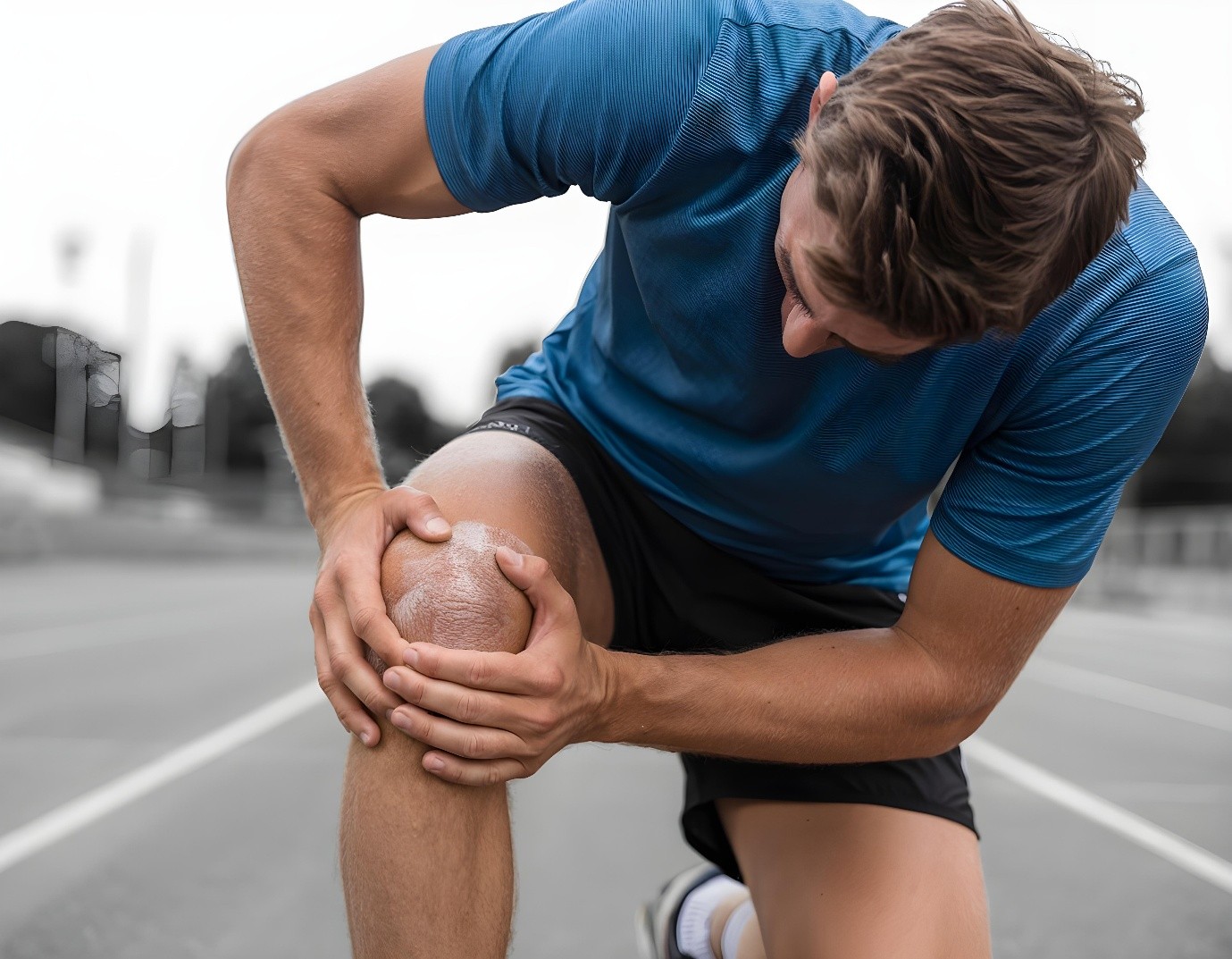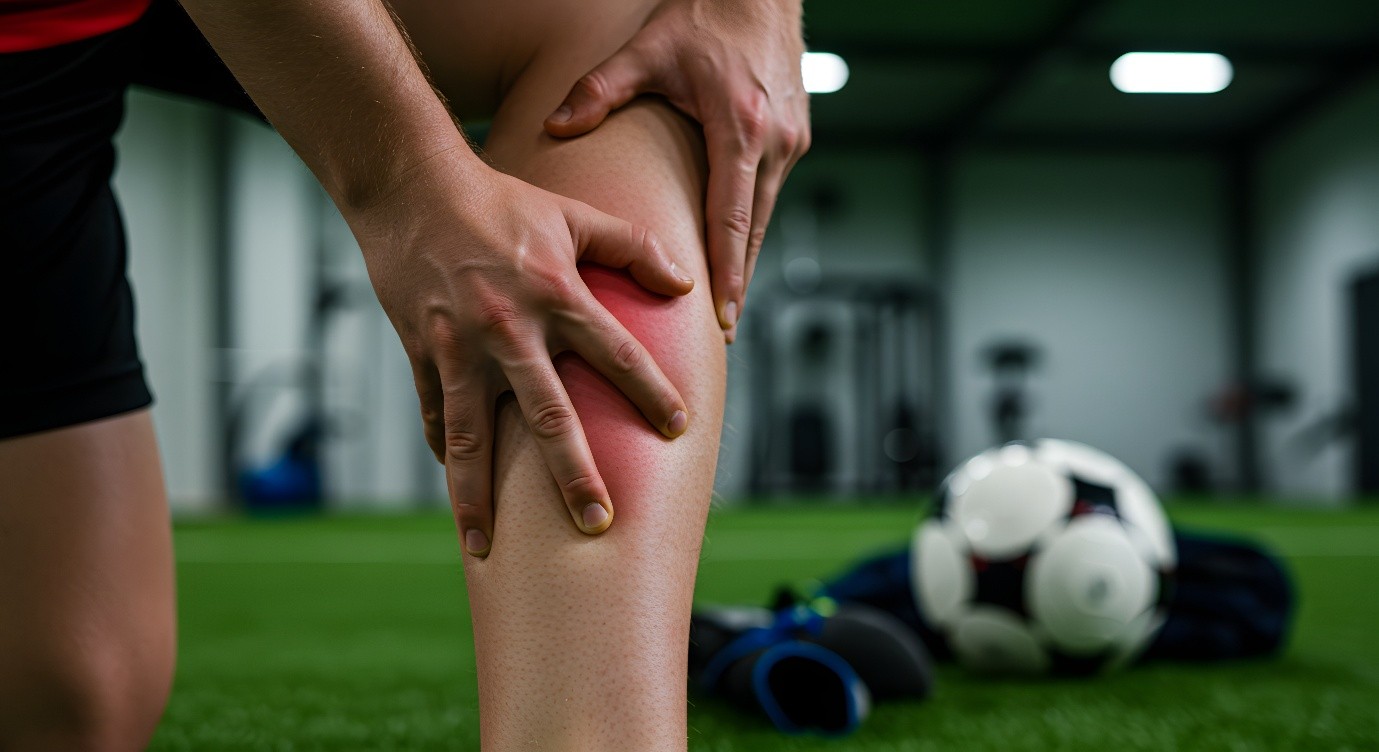
ACL injuries can affect both athletes and active people. Make sure you select the appropriate rehabilitation strategy for long-term knee health and performance.
Choosing the right rehabilitation approach is crucial for long-term knee health and performance. In today’s blog, we’ll answer the following questions:
What is an Anterior Cruciate Ligament (ACL) Sprain?
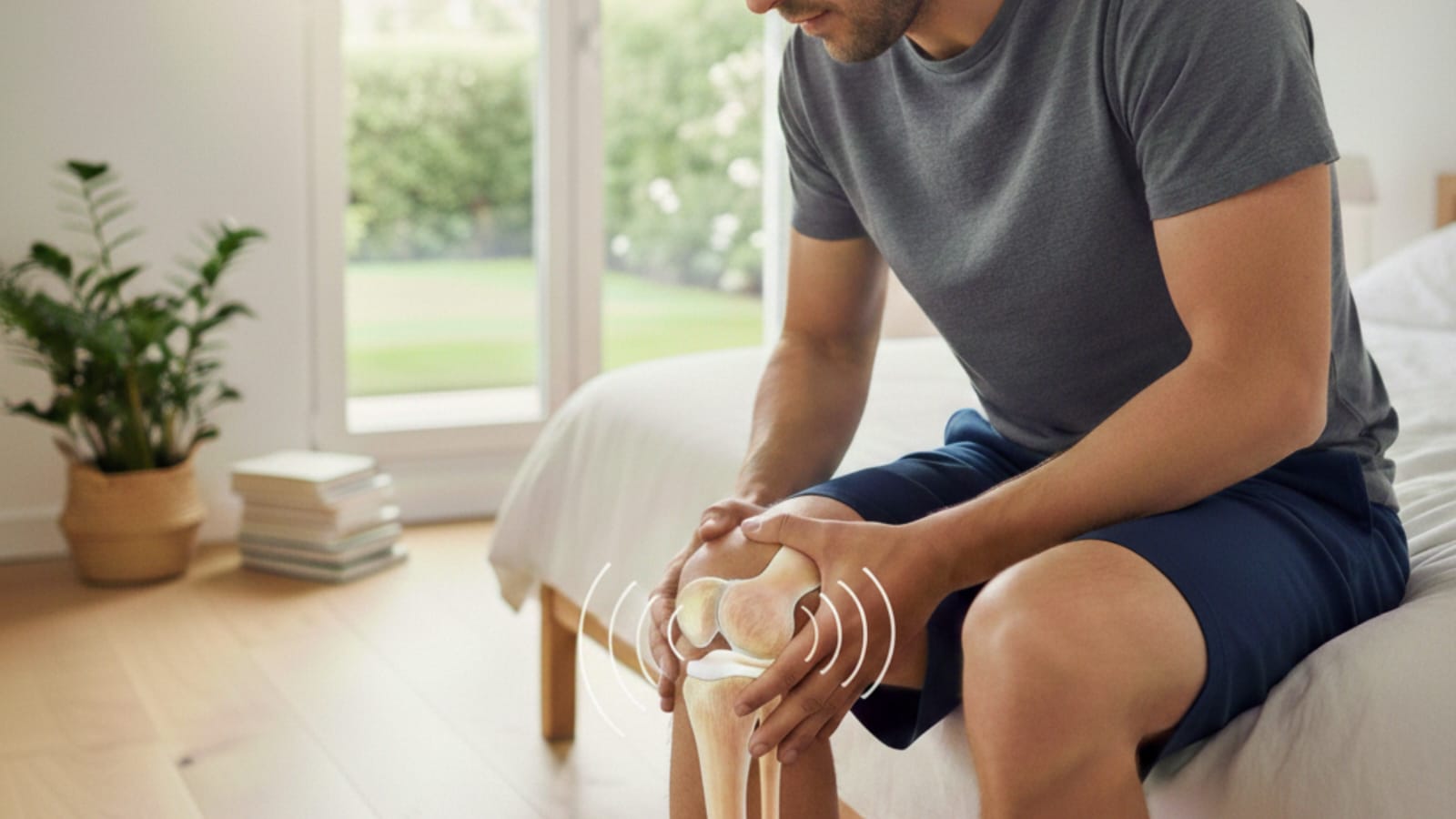
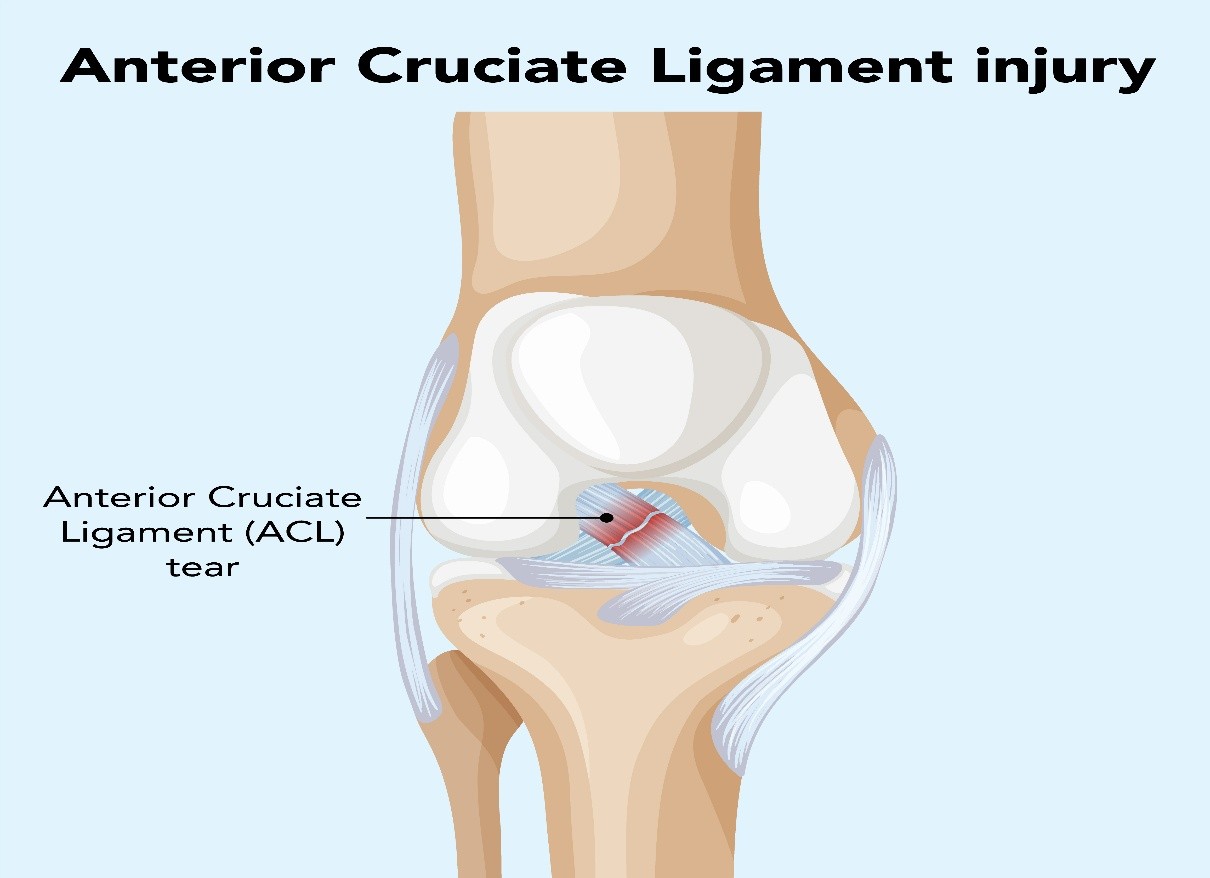
One of the key stabilising ligaments of the knee joint is known as the anterior cruciate ligament. It helps in controlling the forward movement of the tibia and rotational stability during dynamic activities such as running, cutting, and landing. When the ligament is torn or overstretched, it is called an ACL sprain. This can be categorized into:
- Grade I: There may be slight stretching but no instability.
- Grade II: There may be some instability due to a partial tear
- Grade III: There is significant instability due to a complete rupture.
Common Signs of An ACL Sprain
- a sudden pop sensation in the knee
- immediate pain and swelling that may appear within a few hours
- inability to place weight on the injured leg
- inability to fully straighten or bend the knee
- pain when walking, running, or changing directions.
Why Rehabilitation Is Essential for ACL Injuries
Rehabilitation aims to:
- Restore full knee range of motion
- Rebuild strength in the quadriceps, hamstrings, gluteal, and core muscles
- Improve proprioception and balance
- Re-train movement patterns to reduce re-injury risk
- Gradually prepare the knee for return to sport or daily activity
Patients struggling with partial tears or who have lower athletic demands can opt for non-surgical management.
What Does Evidence-Based ACL Rehabilitation Look Like Today?
Instead of being “time-based”, ACL rehabilitation is “criteria-based”. Important elements consist of:
Initial Stage
- Restoring knee flexion and extension
- Reducing swelling and pain, and
- Engaging the quadriceps and hamstrings
Mid-Stage Rehabilitation
- Exercises for balance and neuromuscular control
- Closed-chain and functional strengthening
- Progressive resistance training
Advanced Phase
- Plyometric exercise
- Running and agility drills, and
- Movement retraining tailored to a particular sport
Strength symmetry, HQ ratio, hop testing, movement analysis, and psychological preparedness are becoming more important factors in return-to-sport decisions. Hospitals and sports clinics all over Hong Kong have embraced this strategy.
What Is a Sports Chiropractor?
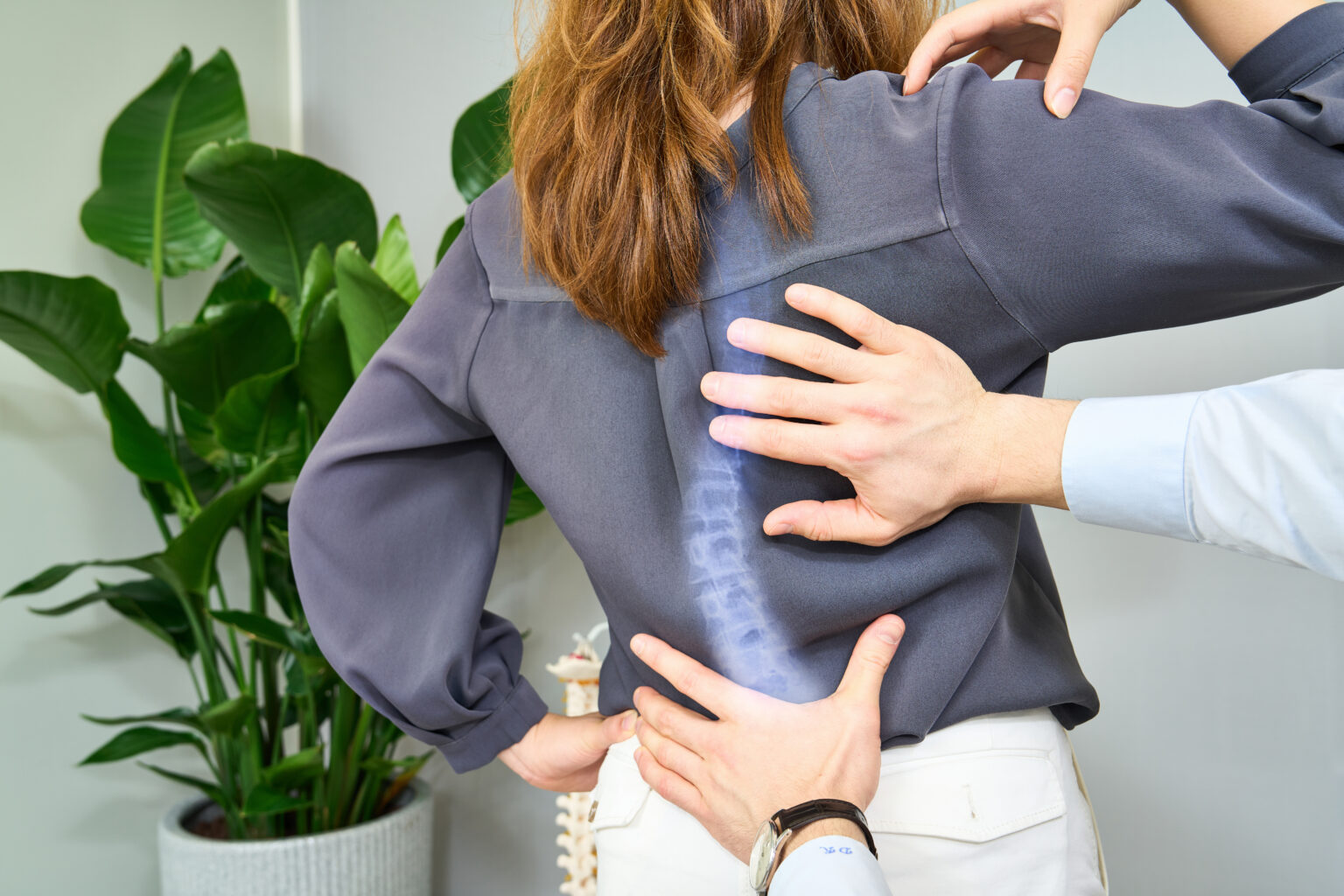
A sports chiropractor is a registered healthcare professional trained in musculoskeletal assessment, manual therapy and rehabilitation, with additional focus on sports-related injuries. In Hong Kong, chiropractors are regulated professionals and commonly treat athletes and active individuals.
Sports chiropractic care may include:
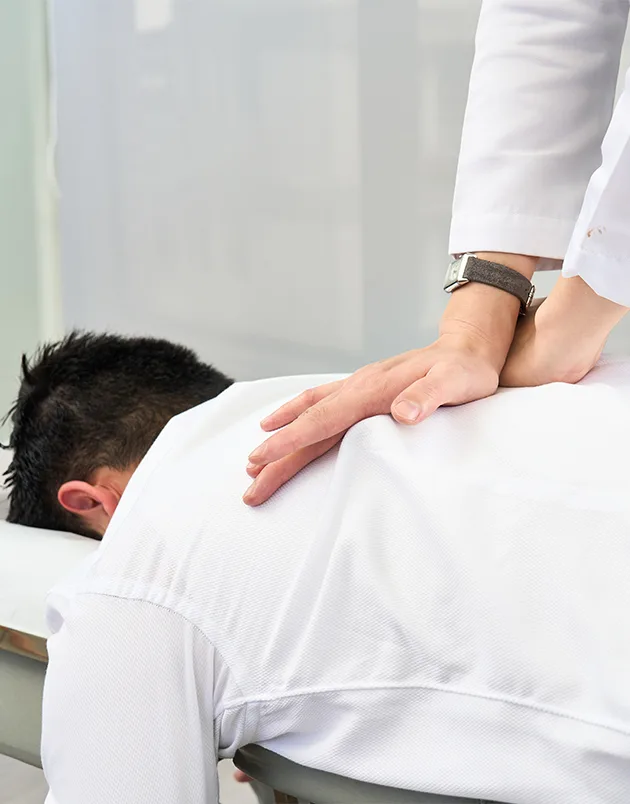
- Joint mobilisation and manipulation
- Soft tissue techniques
- Movement assessment
- Basic rehabilitation exercises and advice
The primary focus is often on improving joint mobility, reducing pain, and optimising biomechanics.
Can a Sports Chiropractor Help with an ACL Rehabilitation?
It would be worth seeking help from a sports chiropractor during ACL rehabilitation. Here are some benefits of seeking help from a sports chiropractor for an ACL rehabilitation:
- Reducing pain and inflammation that may limit movement
- Identifying stiffness in nearby joints like ankle, hip, or lumbar spine
- Helping with movement and postural control
Sports Chiropractor vs Physiotherapist in ACL Rehabilitation
In Hong Kong’s private healthcare system, patients often have access to both physiotherapists and sports chiropractors.
Physiotherapists are experts in:
- Exercise-based rehabilitation
- Return-to-sport testing
- Post-surgical and non-surgical ACL protocols
Sports chiropractors can help:
- Reducing discomfort and joint stiffness
- Supporting the mobility of surrounding joints, including ankles, hips and lower back, and preventing secondary pain syndromes
- Complementing the rehabilitation protocols with additional exercises and advice
Sports Chiropractor: Do You Need Professional Help For Your ACL Rehabilitation?
For individuals with ACL sprain injuries:
- ACL rehabilitation is important, must be progressive, and guided by healthcare professionals specializing in ligament injury recovery.
- A sports chiropractor 香港 can help manage secondary movement restrictions or pain.
- Without functional and strengthening training, recovery could be delayed and re-injury risk may increase.
Conclusion
An ACL sprain requires planned rehabilitation. Sports chiropractors, can provide movement support, and an evidence-based ACL rehabilitation programme focusing on neuromuscular training, exercise, and functional testing. You can consult chiropractors at Agape Chiropractic Hong Kong for a personalized treatment plan for anterior cruciate ligament injuries.
Other Useful link: