
The pain from myofascial pain syndrome may persist for a longer period of time or may appear suddenly after stress, injury, or muscle overload. Myofascial pain syndrome is a musculoskeletal condition that affects muscles and the fascia surrounding them. Fascia is a connective tissue that provides structural support and allows muscles to move smoothly. Individuals with myofascial pain syndrome experience pain when trigger points within the muscles are pressed or activated. These trigger points can cause localized pain as well as pain felt in different areas of the body. Myofascial pain syndrome is sometimes confused with fibromyalgia, but these are not the same condition.
In this blog, we’ll discuss what myofascial pain syndrome is, its causes, symptoms, and treatment options. Let’s get started:
What is Myofascial Pain Syndrome?
Myofascial pain syndrome is a pain condition caused by the presence of myofascial trigger points within muscles and their surrounding fascia. This condition can be acute or chronic. Acute myofascial pain syndrome often develops after muscle strain, repetitive use, poor posture, prolonged static positions, or physical stress. In some cases, if contributing factors are not addressed, symptoms may persist and become chronic over time.
Trigger points are tight, sensitive areas within muscle tissue that can be painful when compressed. When pressure is applied to these trigger points, pain may be felt directly at the site or referred to another part of the body, a phenomenon known as referred pain. Common areas affected by myofascial pain syndrome include the neck, shoulders, upper back, lower back, jaw, and facial muscles. People may experience shoulder pain, tension headaches, back pain, or facial discomfort.
Myofascial pain syndrome may occur after repeated muscle tightening or overload. Repetitive movements used in sports, work, or daily activities can increase strain on muscles and fascia. In some individuals, the specific cause of myofascial pain syndrome may not be clearly identified. While many people experience temporary muscle soreness, pain associated with myofascial pain syndrome often persists without appropriate management. Treatment options may include exercise, massage, manual therapy, and chiropractic care.
Understanding myofascial pain syndrome is important for choosing appropriate care. This condition can lead to discomfort, movement restriction, and reduced quality of life. Effective management focuses on addressing trigger points, reducing muscle tension, restoring movement, and preventing recurrence rather than simply masking symptoms.
What Causes Myofascial Pain Syndrome?
Here are some of the most common causes of myofascial pain syndrome:
Repetitive motions: Overuse of muscles through repetitive movements or prolonged activities can result in muscle fatigue and the development of trigger points. Occupations or hobbies that involve repetitive actions or sustained postures commonly contribute to myofascial pain syndrome.
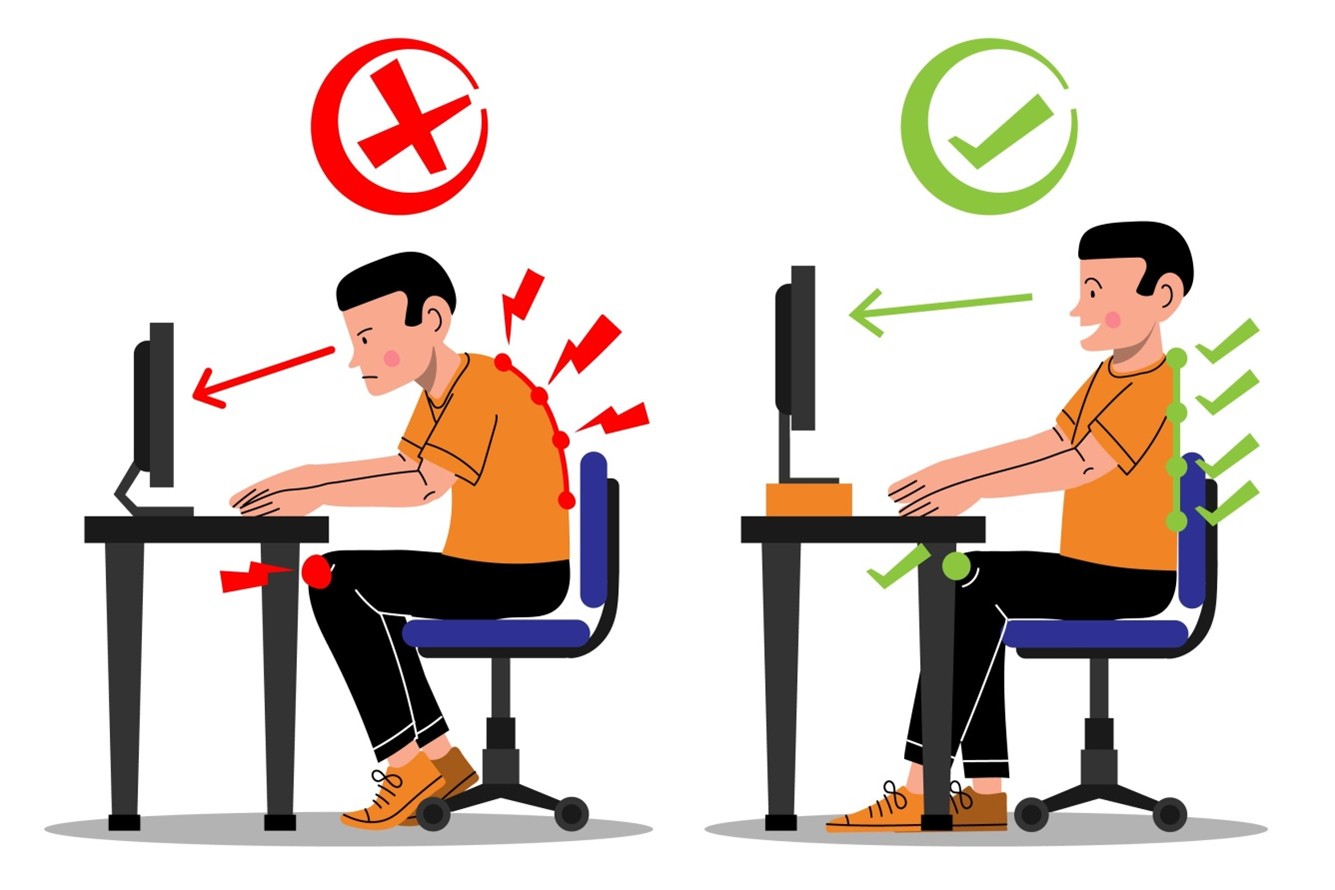
Poor posture: Poor posture maintained over time places stress on certain muscle groups, increasing muscle imbalance and tension, which may lead to myofascial pain syndrome.
Muscle injury: Trauma, strains, or direct injury to the muscles can disrupt muscle function and healing, increasing the risk of trigger point formation.
Stress: Emotional and physical stress can cause prolonged muscle tension and reduced circulation, contributing to the development of myofascial pain.
How does Myofascial Pain Syndrome feel like?
Each person with myofascial pain syndrome may experience symptoms differently. In some cases, pain may begin suddenly after activity or injury. In others, it may develop gradually and worsen over time. Pain may be constant or intermittent and is often aggravated by movement, stress, or prolonged postures. Common symptoms include:
Intense muscle pain: Persistent or recurring pain in a specific muscle or muscle group, often described as a deep, aching sensation.
Trigger points: Tight bands or sensitive knots in muscles that are painful when pressed and may refer pain to other areas of the body.
Stiffness and limited range of motion: Difficulty moving the affected muscles, often resulting in reduced flexibility and stiffness.
Fatigue: Ongoing muscle pain and tension may interfere with daily activities and sleep, leading to physical fatigue.
How to Diagnose Myofascial Pain Syndrome?
Myofascial pain syndrome is frequently overlooked because its symptoms overlap with conditions affecting bones, nerves, tendons, or ligaments. Diagnosis is primarily based on a physical examination. A chiropractor will assess posture, movement patterns, and muscle function, and will palpate muscles to identify tight bands and tender trigger points that reproduce the individual’s pain.
Can Stress Cause Myofascial Pain Syndrome?
Yes, psychological and emotional stress can contribute to the development of myofascial pain syndrome. Chronic stress often results in persistent muscle tension and clenching. Over time, these factors can lead to the formation of sensitive trigger points within muscles, increasing pain and stiffness.
Can Myofascial Pain Syndrome Go Away on Its Own?
If myofascial pain syndrome is caused by temporary muscle strain or short-term overuse, symptoms may improve with rest and activity modification. However, if triggers such as poor posture, muscle imbalance, or repetitive stress remain unaddressed, symptoms may persist or recur. Ongoing cases often benefit from targeted care such as trigger point therapy, exercise, and professional treatment.
Myofascial Pain Syndrome Treatments: Chiropractic Care for MPS
Our approach to myofascial pain syndrome at Agape Chiropractic Hong Kong is written below:
Initial assessment and diagnosis
When you visit our clinic, we conduct a thorough assessment to understand your symptoms, movement patterns, lifestyle factors, and possible contributing causes. This allows us to identify trigger points associated with MPS and create an appropriate care plan.
Chiropractic adjustments
Chiropractic adjustments are used to address joint restrictions and improve spinal and musculoskeletal movement. By restoring motion and reducing mechanical stress, adjustments may help decrease muscle tension and support recovery in individuals with myofascial pain syndrome.
Myofascial release techniques
We use myofascial release techniques to address tight muscles and trigger points. These may include soft tissue therapy, stretching, and hands-on manual techniques aimed at reducing muscle tightness, improving circulation, and promoting relaxation.
Corrective exercises and rehabilitation
To improve function and address muscle imbalances, we recommend individualized corrective exercises and rehabilitation programs. These exercises focus on posture correction, strengthening weak muscles, improving flexibility, and reducing the risk of recurrence.
Lifestyle changes and education
Our team provides education on self-care strategies, stress management, ergonomic adjustments, and lifestyle changes. Education plays an important role in helping individuals manage symptoms and support long-term musculoskeletal health.
Chiropractor 香港 at Agape Chiropractic Hong Kong creates personalized treatment plans based on each individual’s symptoms and functional needs. These plans aim to reduce muscle stiffness, improve range of motion, and support long-term recovery while helping prevent future flare-ups.
Benefits of Chiropractic Care for Myofascial Pain Syndrome
If you are struggling with myofascial pain syndrome, a personalized approach is essential. Chiropractic services often include customized care plans that consider individual pain patterns, movement limitations, and contributing factors.
Pain relief: Chiropractic care may help reduce muscle tension and discomfort, allowing for improved mobility and quality of life.
Improved flexibility: Addressing muscle tightness and joint restrictions can help improve flexibility and range of motion in affected areas.
Enhanced functionality: Many individuals report improved ability to perform daily activities, work tasks, and physical activities following chiropractic care for MPS.
Chiropractic care may also help manage conditions such as sciatica, back pain, headaches, wrist pain, hip pain, scoliosis, and other musculoskeletal issues.
Difference between Muscle Pain and Nerve Pain
Muscle pain typically occurs in a specific area such as the neck, shoulders, or back and is often caused by strain, overuse, or injury. Muscle pain is commonly described as dull, aching, or associated with tightness, especially after activity.
Nerve pain radiates along the path of the affected nerve and is often described as sharp, burning, tingling, or electric in nature. Conditions such as sciatica or a pinched nerve may cause pain to travel into the arms or legs. If you are wondering how to treat sciatica, you can read our previous blog on chiropractic care options for sciatica.
Conclusion
Managing myofascial pain syndrome requires appropriate assessment and care tailored to the individual. At Agape Chiropractic Hong Kong, we provide patient-focused and comprehensive care for myofascial pain syndrome. Our goal is to help reduce pain, restore movement, and support long-term function. If you are experiencing symptoms of myofascial pain syndrome, you are welcome to reach out to our clinic for further guidance.