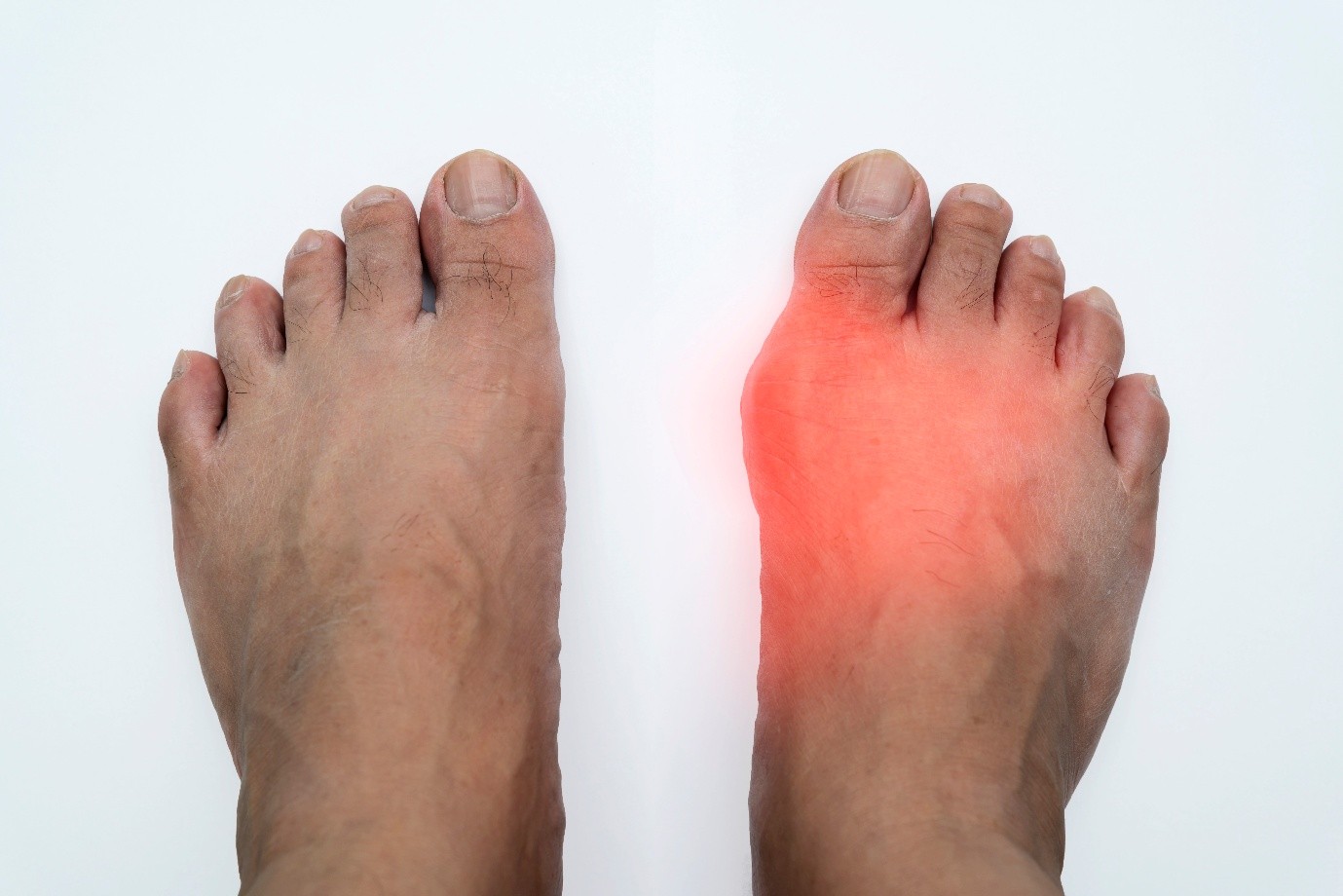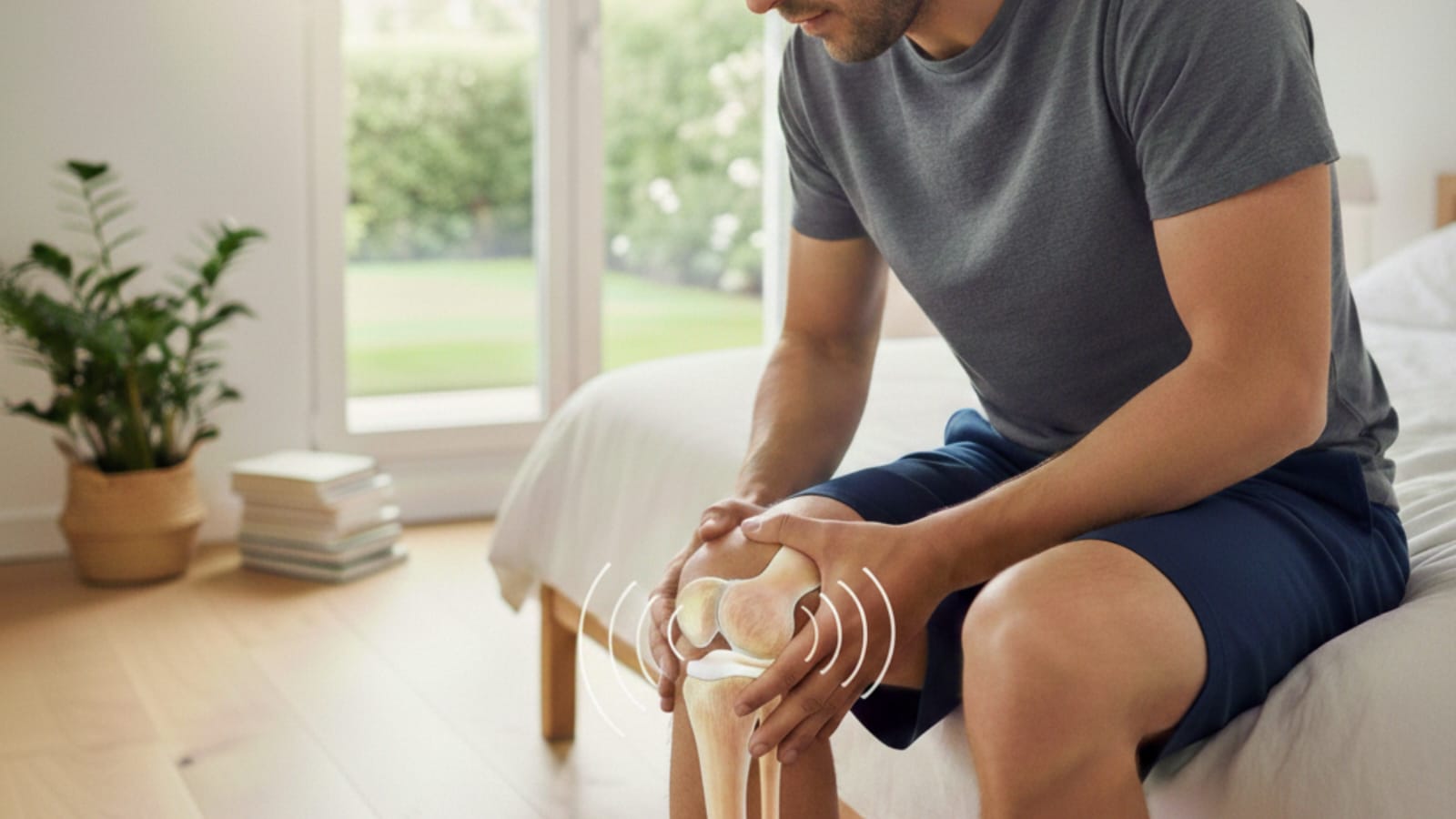
Foot and ankle pain is a common musculoskeletal complaint, often aggravated by prolonged activity or changes in routine. This discomfort can impact how you walk, stand, and function daily. One specific source of such pain is dysfunction of the tibialis posterior, a key muscle in the lower leg. This blog explores this condition and how a modern, biomechanical approach to care can help.
What is the Tibialis Posterior Muscle?
The tibialis posterior is a deep muscle located along the inner aspect of your shinbone (tibia). It plays a vital role in foot and ankle function by stabilizing the ankle, supporting the medial longitudinal arch of the foot, and facilitating smooth movement during walking and standing. When this muscle is strained or overworked, it can lead to significant discomfort and functional limitations.
What Are the Causes of Tibialis Posterior Muscle Pain?
Pain in this muscle typically arises from overuse or biomechanical strain. Common contributing factors include:
· Altered Foot Biomechanics: Individuals with flat feet (pes planus) or collapsed arches often place excessive, prolonged strain on the tibialis posterior as it works harder to stabilize the foot.
· Repetitive Overuse: Activities involving prolonged standing, walking, or running—especially on hard surfaces or with a sudden increase in intensity—can overload the muscle.
· Inappropriate Footwear: Shoes lacking adequate arch support or stability can fail to reduce strain on the muscle during weight-bearing activities.
· Muscle Imbalances: Weakness in the tibialis posterior itself, or tightness in the surrounding calf muscles (gastrocnemius, soleus), can disrupt normal foot mechanics and increase stress on the muscle.
Common Symptoms of Tibialis Posterior Muscle Pain
Recognizing the symptoms can help in seeking timely care:
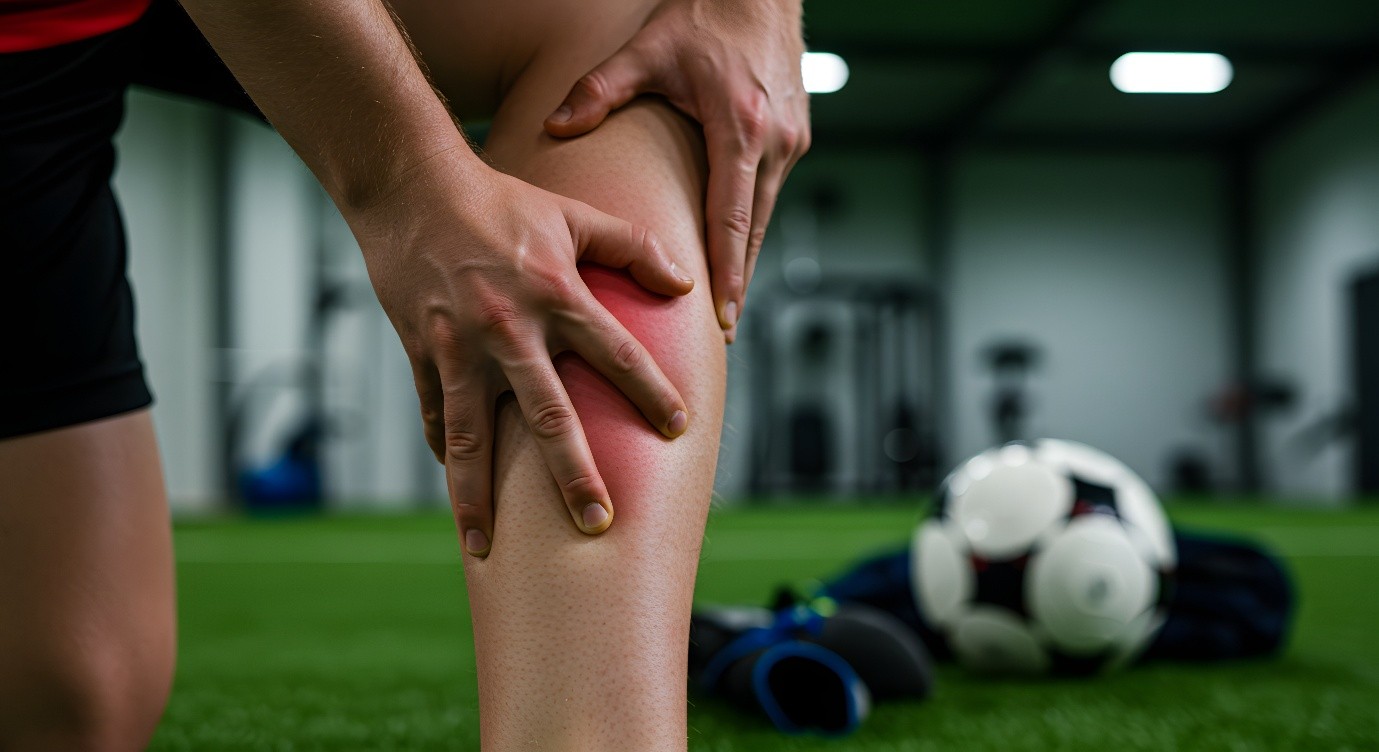
· Aching or sharp pain along the inner shin, inside of the ankle, or within the arch of the foot.
· Pain that intensifies with activity, especially when pushing off the foot, and may ease with rest.
· Tenderness to touch along the muscle’s path.
· Swelling along the inner ankle.
· A feeling of weakness or difficulty when trying to stand on your tiptoes.
How Can Chiropractic Management Help Reduce Tibialis Posterior Muscle Pain?
At Agape Chiropractic Hong Kong, we address tibialis posterior muscle pain through a biomechanical lens, focusing on restoring normal joint and soft tissue function. The goal is to reduce pain, improve stability, and address the underlying causes to prevent recurrence.
- Comprehensive Biomechanical Assessment: We begin with a detailed analysis of your posture, gait (walking pattern), foot structure, and joint mobility. This helps identify contributing factors such as flat feet, ankle stiffness, or imbalances originating from the knee or hip.
- Joint Mobilization & Manipulation: Restricted motion in the ankle, foot, or even the knee can alter leg mechanics and strain the tibialis posterior. We use specific, controlled manual therapy techniques to restore optimal, pain-free joint movement and reduce mechanical stress.
- Soft-Tissue Therapy: Direct techniques such as instrument-assisted soft tissue mobilization (IASTM) and targeted myofascial release are used to address tension, adhesions, and trigger points within the tibialis posterior and surrounding calf muscles, promoting healing and flexibility.
- Rehabilitative Exercise Prescription: A core component of care is strengthening the tibialis posterior and other supportive muscles of the foot and ankle. We provide tailored exercises to improve arch stability, endurance, and overall lower limb control. For specific structural concerns, a chiropractor 香港 may also discuss the potential role of custom or over-the-counter orthotics to provide temporary arch support and offload the muscle during healing.
- Activity Modification & Gait Education: We offer practical advice on modifying activities to avoid aggravating the condition and provide education on supportive footwear. You may also receive guidance on optimizing your walking pattern to distribute forces more evenly.
Conclusion
Tibialis posterior muscle pain can interfere with your mobility and daily activities, but a structured, active care approach can effectively manage it. By addressing joint function, muscle balance, and movement patterns, chiropractic care aims to resolve pain and restore resilient foot mechanics.
This same biomechanical and rehabilitative philosophy applies to a wide range of musculoskeletal conditions. For instance, understanding how to address nerve-related pain through movement and function is key. If you are experiencing pain that radiates down your leg, you may find our detailed resource on How to Treat Sciatica to be a helpful guide.