
Have you ever heard a clicking or popping sound from your knees, neck, or back when you move? Often termed crepitus, these sounds are common and usually harmless. However, when accompanied by pain, stiffness, or reduced movement, they can signal an underlying issue that may benefit from professional assessment.
At our Hong Kong practice, we focus on a modern, evidence-based approach to musculoskeletal health. This means we address joint function and pain through biomechanical analysis, rehabilitative exercise, and manual therapy.
What Causes Joint Popping Sounds?
Research points to several potential causes for these noises:
· Gas Release: The most common theory involves the release of dissolved gases within the synovial fluid of the joint, creating a popping sound during sudden pressure changes.
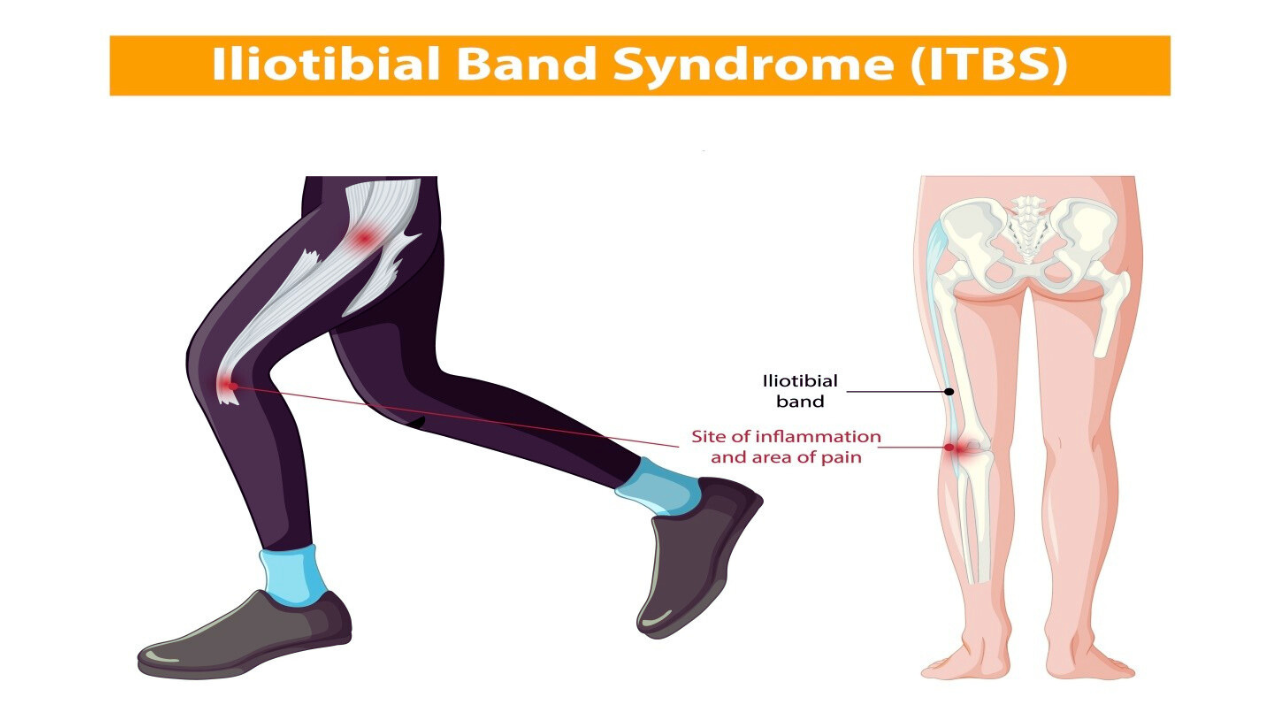
· Soft Tissue Movement: Tendons or ligaments may glide over bony prominences, creating a snapping sensation. This is often related to muscle tightness or imbalances.
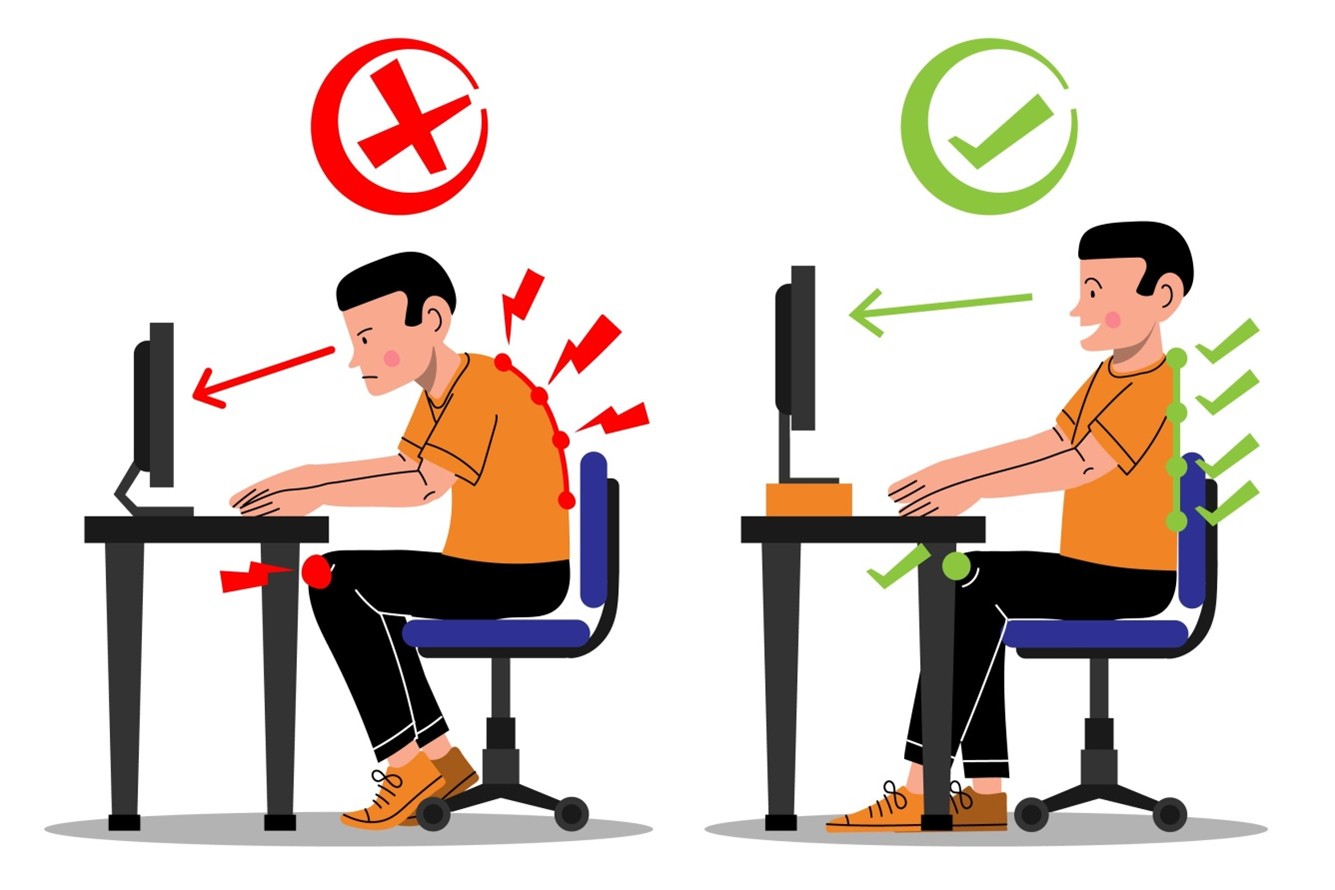
· Joint Restriction or Altered Movement: Joints that are not moving optimally through their full range due to stiffness, historical injury, or biomechanical dysfunction can sometimes produce sounds. A common contributor to such dysfunction in Hong Kong is sustained poor posture.
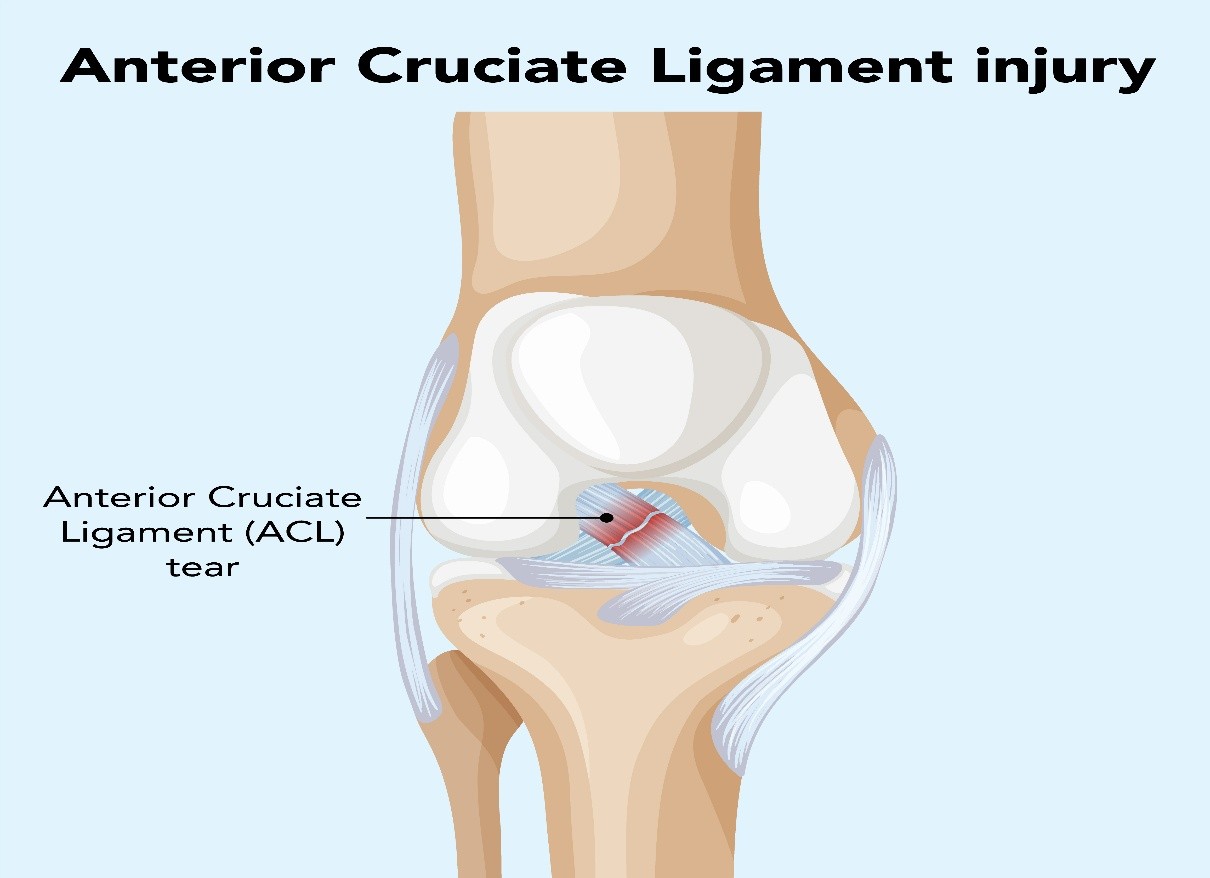
· Historical Joint Issues: Previous injuries, arthritis, or muscular weakness can change how a joint moves, making sounds more apparent.
When Should You Consider an Assessment?
Isolated popping without pain is rarely a concern. We recommend a professional evaluation if you experience:
· Popping or clicking accompanied by pain.
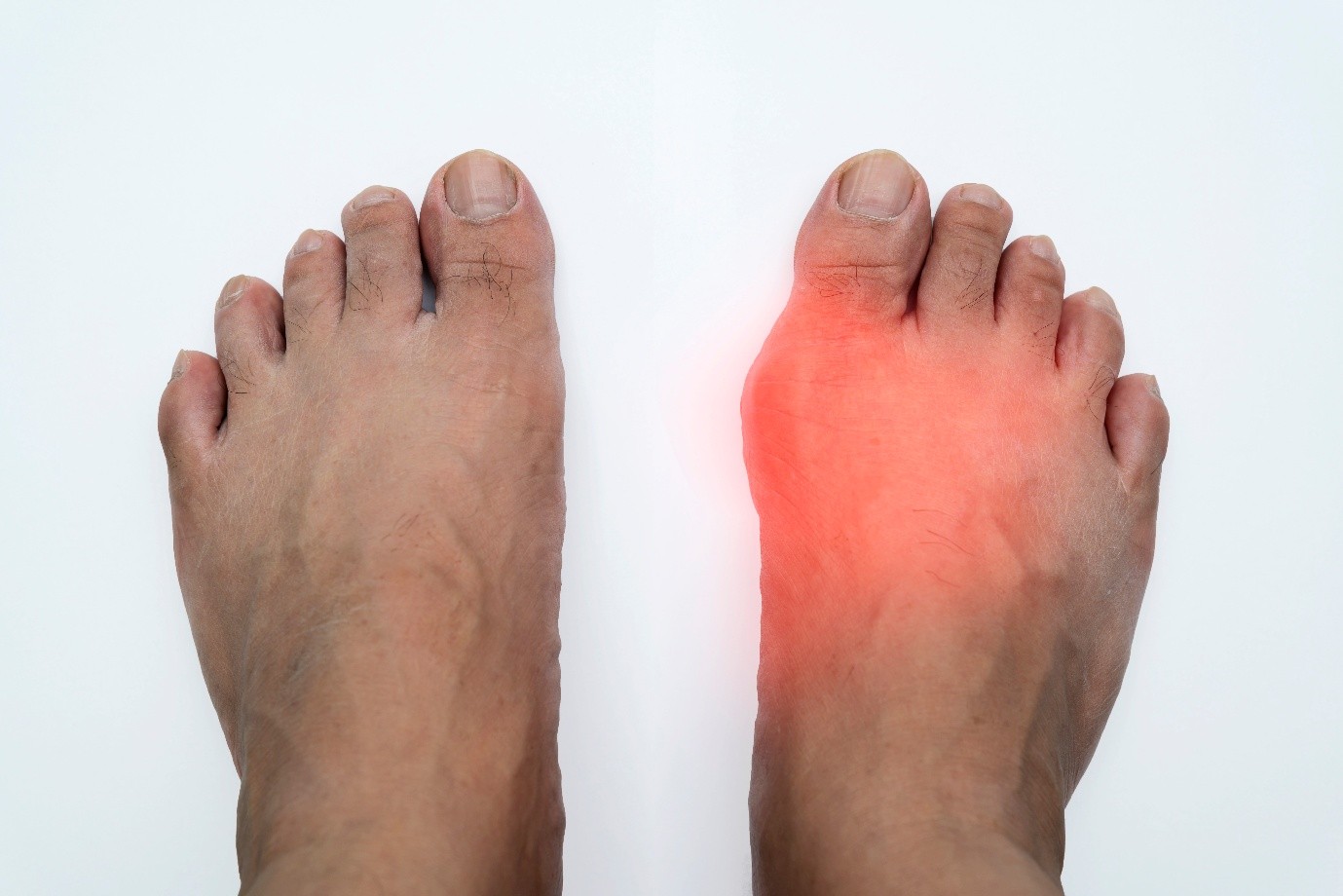
· Swelling, warmth, or redness around the joint.
· Feelings of joint stiffness or locking.
· A noticeable change in function or stability.
· Onset of sounds following a specific injury.
How Can an Evidence-Based Chiropractor Help?
As musculoskeletal specialists, we focus on diagnosing the functional causes of your symptoms and creating an active management plan. Here’s how we approach joint crepitus:
- Comprehensive Biomechanical Assessment: We take a detailed history and perform a physical exam to identify contributing factors such as muscle weakness, joint stiffness, movement patterns, and ergonomic stressors—including those related to poor posture common in desk-based work.
- Addressing Joint Dysfunction: If restricted joint movement (hypomobility) is identified, we may use controlled, low-amplitude manual therapy (adjustments/mobilisations) to improve range of motion. The audible release sometimes heard is a gas bubble phenomenon and is not the primary goal of treatment.
- Soft Tissue and Muscle Techniques: We employ evidence-based methods like instrument-assisted soft tissue therapy, targeted stretching, and myofascial release to address tight muscles, scar tissue, and tendon-related contributors to sound and dysfunction.
- Rehabilitation and Strengthening: Weak or uncoordinated muscles are a core contributor to joint noise and strain. A cornerstone of our care is prescribing specific, progressive exercises to stabilise joints, correct imbalances, and build resilient movement patterns.
- Posture and Ergonomics Education: For many patients in Hong Kong, prolonged sitting and tech use are key factors. We provide practical, individualised advice on workspace setup, movement breaks, and exercises to counteract the effects of poor posture on the spine and joints.
Conclusion
While joint sounds are often normal, persistent pain or dysfunction warrants a professional opinion. An evidence-based chiropractor in Hong Kong can help you understand the biomechanical factors behind your symptoms and develop a clear, active plan focused on restoring function, strength, and pain-free movement.
Other Useful link: