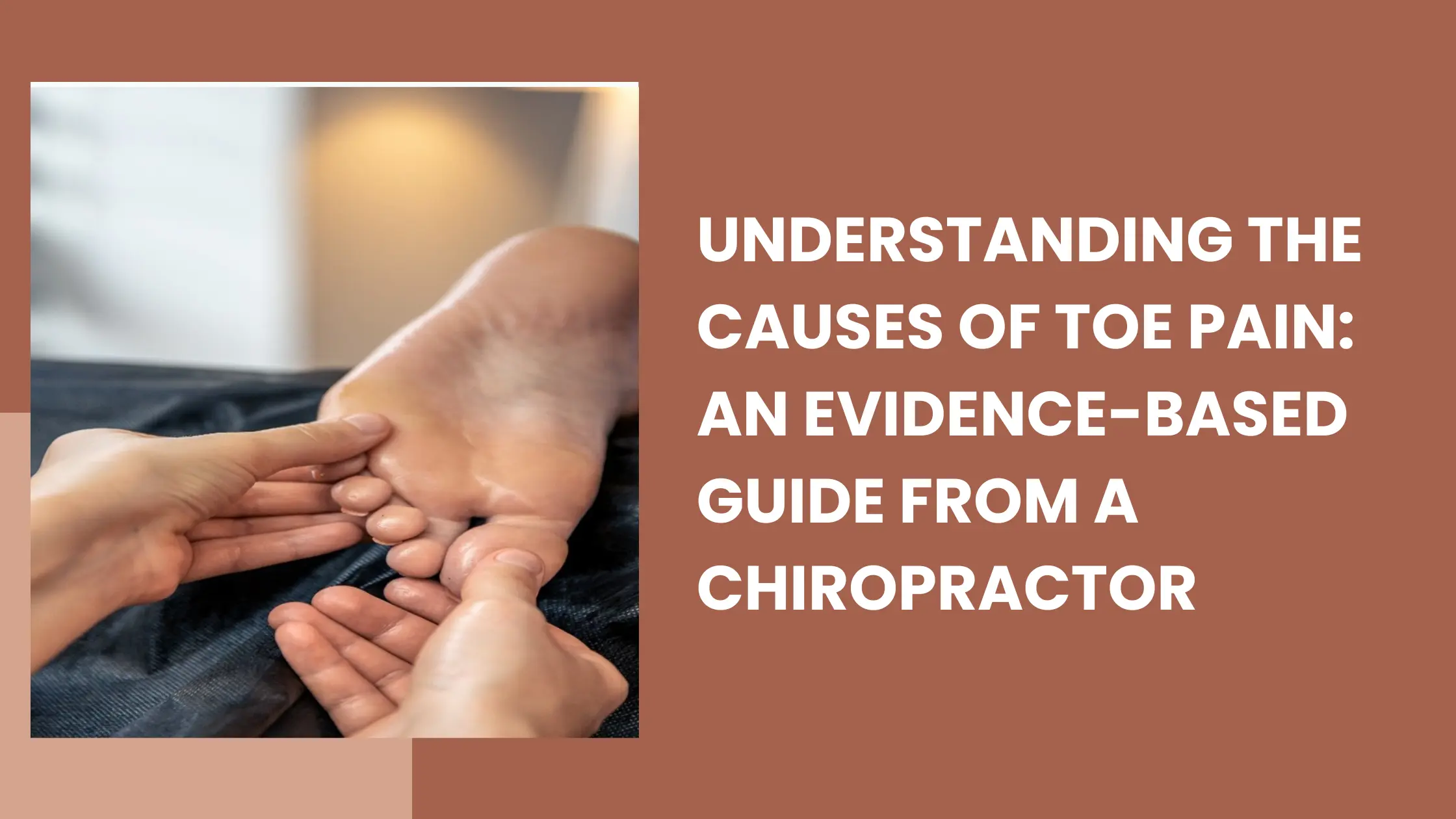
Toe pain is a common yet often overlooked musculoskeletal complaint. While it may seem minor, persistent toe pain can significantly impact your mobility, activity, and quality of life. A chiropractor 香港 focuses on the musculoskeletal system, their approach is to identify the underlying mechanical cause and apply targeted strategies for relief and recovery.
This blog breaks down the common biomechanical and structural causes of toe pain and explains how a chiropractic approach centered on function and movement can help.
Common Biomechanical Causes of Toe Pain
Pain in your toes is rarely random. It typically signals a specific structural or functional issue.
Here are some of the most common causes:
1. Footwear & Biomechanical Stress: Shoes with a narrow toe box, high heels, or inadequate support directly alter foot mechanics. They can increase forefoot pressure, compress toe joints, and contribute to conditions like bunions and neuromas. The repetitive stress from prolonged standing or walking, common in urban environments, can exacerbate these issues.
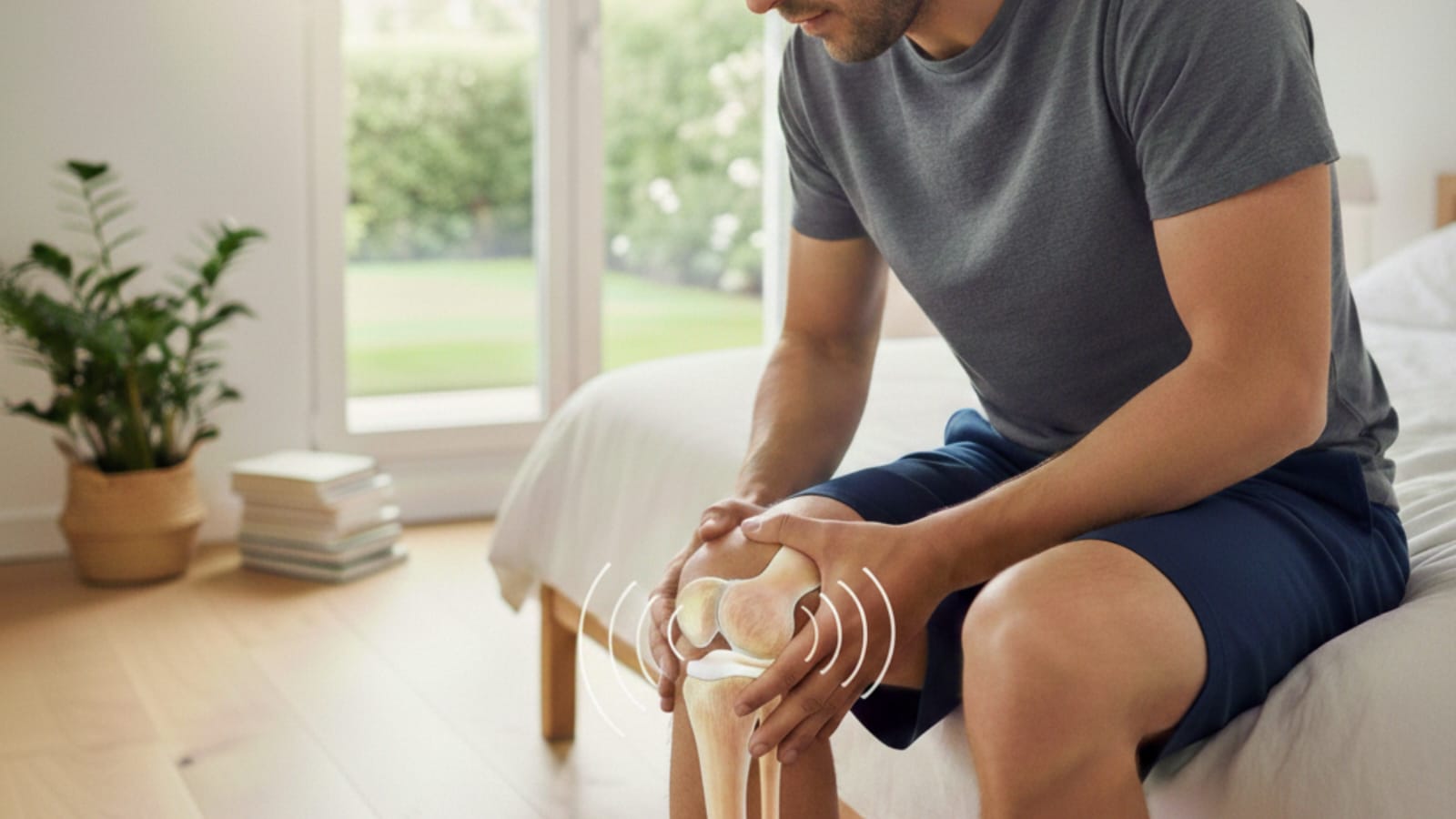
2. Joint Dysfunction & Osteoarthritis: The small joints of the toes, like any synovial joint, can develop restricted mobility or misalignment. This dysfunction can stem from past trauma, repetitive micro-stresses, or progressive changes from osteoarthritis. Research indicates that joint mobilization can be beneficial for pain and function in peripheral joints like those in the foot.
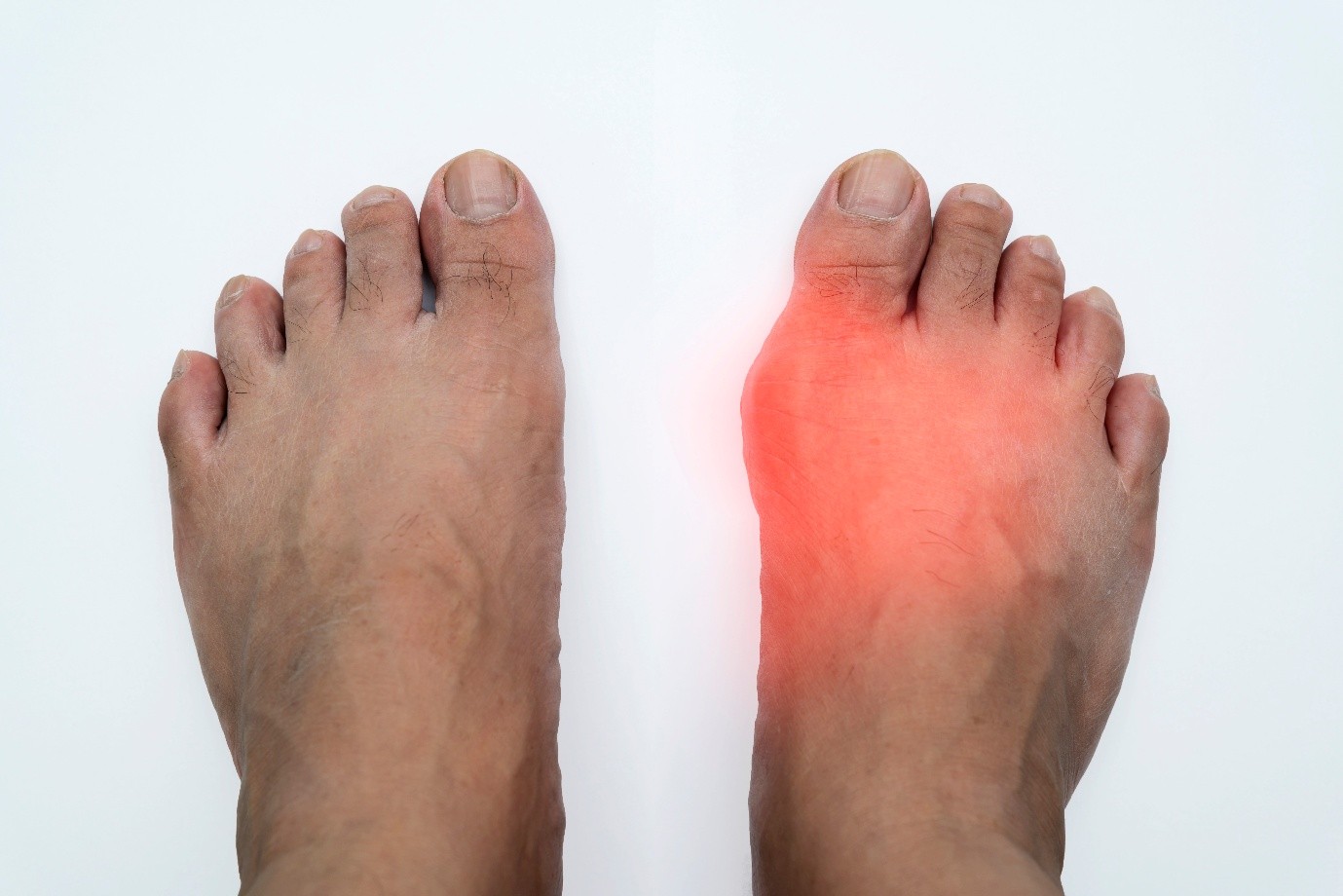
3. Hallux Valgus (Bunions): A bunion is a progressive structural deformity of the big toe joint. While genetics play a role, biomechanical factors like overpronation (flat feet) and ill-fitting shoes are significant contributors. The resulting bony protrusion leads to joint pain, swelling, and difficulty with footwear.
4. Morton’s Neuroma: This involves a thickening of the tissue around a nerve leading to the toes, most commonly between the third and fourth metatarsals. It is often caused by compression and irritation from tight footwear or repetitive forefoot stress, leading to sharp, burning, or tingling pain.
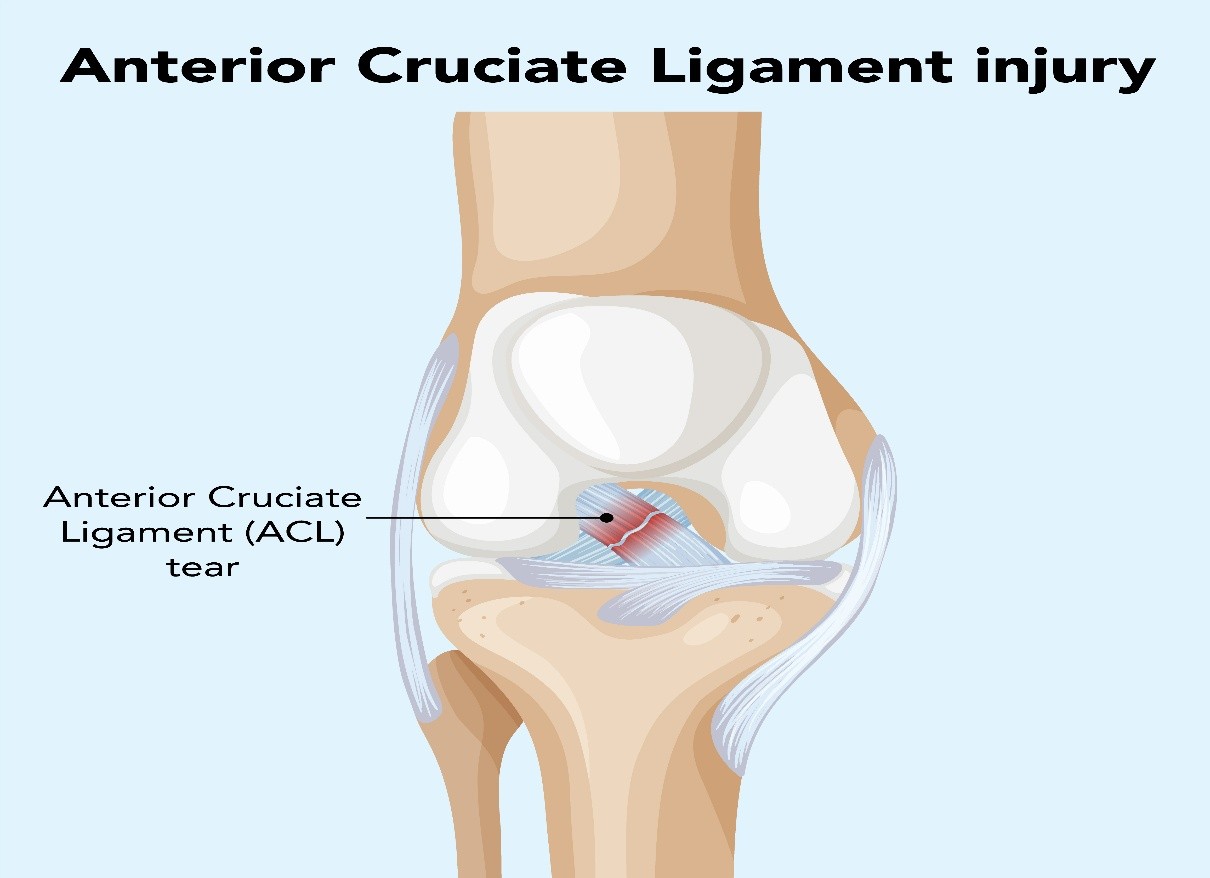
5. Referred Pain & Connected Mechanics: Pain felt in the toes can sometimes originate elsewhere. For instance, tightness or trigger points in the calf muscles (gastrocnemius, soleus) can contribute to tension through the plantar fascia, affecting toe movement. Similarly, issues in the ankle, knee, or even the lumbar spine can influence gait and weight distribution, ultimately placing abnormal stress on the forefoot.
The Chiropractic Approach to Toe Pain
Our principle is to treat the person, not just the painful toe. We conduct a thorough assessment of your gait, foot posture, joint mobility, and muscle function to identify the primary driver of your symptoms. Treatment is tailored and may include:
· Joint Mobilization & Manipulation: Gentle, specific adjustments to improve mobility and reduce stiffness in restricted toe, foot, or ankle joints. The goal is to restore normal joint movement, which can alleviate pain and improve function.
· Soft Tissue Therapy: Targeted therapies like physical agent modalities, myofascial release, or trigger point therapy are used to address tightness in the intrinsic foot muscles, calf complex, and plantar fascia. This reduces muscular contributors to joint stress and pain.
· Rehabilitation & Strengthening: Weakness in the foot’s arch-stabilizing muscles (e.g., tibialis posterior) and toe flexors is a common finding. We prescribe exercises such as:
· Foot and calf exercises to improve arch control.
· Toe splaying & towel scrunches to strengthen intrinsic muscles.
· Eccentric calf raises to address Achilles and plantar fascia tension.
· Proprioceptive & balance training to enhance overall foot stability.
· Gait Analysis & Lifestyle Advice: We analyze your walking pattern to identify imbalances. Practical advice on footwear selection, activity modification, and ergonomic considerations forms a crucial part of sustainable management.
When to Consider a Chiropractic Evaluation
Consulting a healthcare professional is advisable if you experience:
· Pain that persists for more than a week despite rest.
· Visible swelling, redness, or deformity of a toe joint.
· Pain that consistently interrupts your walking or running gait.
· Numbness, tingling, or a persistent burning sensation.
· A history of trauma or a fall onto the foot.
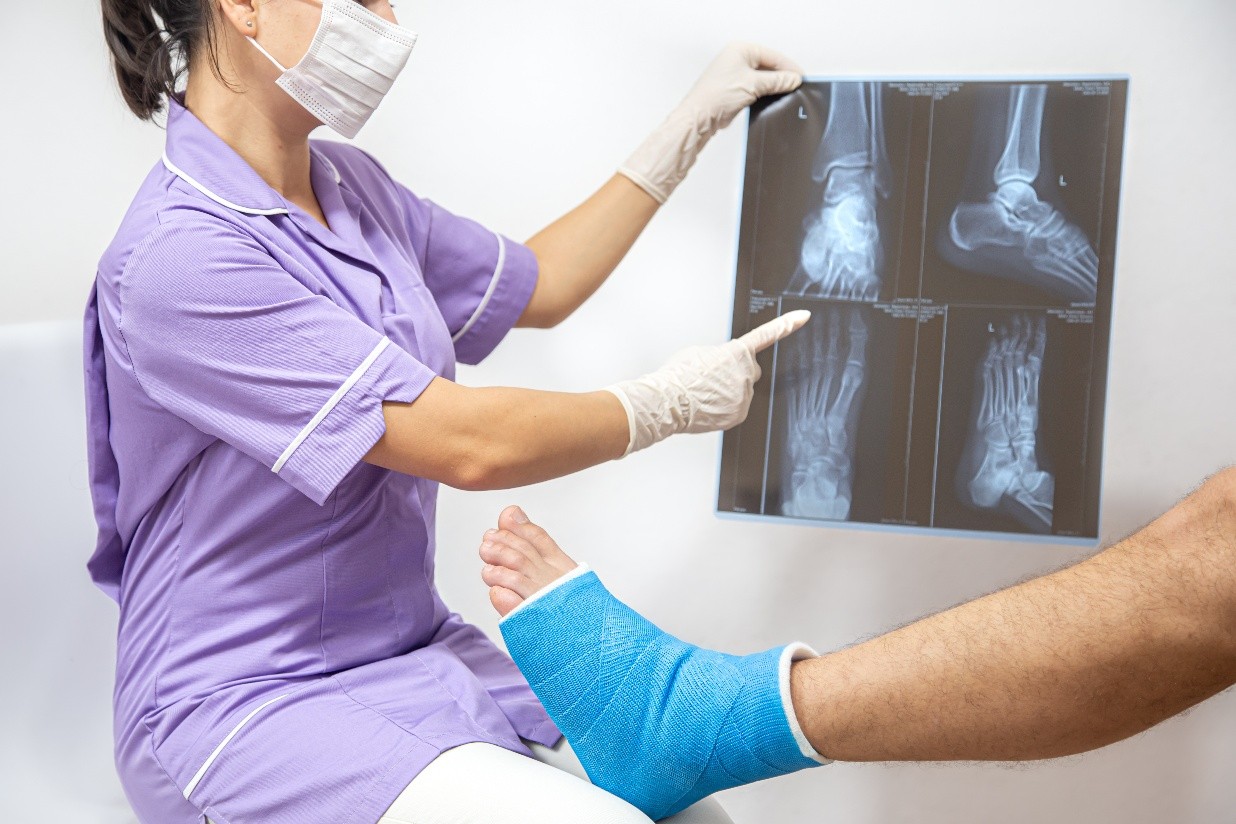
A thorough examination can help differentiate between a straightforward biomechanical issue and a condition requiring medical referral.
Final Thoughts
Toe pain is a legitimate musculoskeletal concern with identifiable causes. An evidence-based chiropractic approach focuses on restoring normal joint function, addressing soft tissue restrictions, and empowering you with the exercises and knowledge to support long-term foot health. By looking at the body as an integrated system, we aim to resolve your immediate pain and improve your overall biomechanical resilience.
Other Useful link: