
Pain in the soles of your feet can severely impact your day-to-day life, making simple tasks like walking, standing, or even resting a struggle. The soles of our feet are a critical part of our bodies, supporting our weight and helping us maintain balance. The causes of foot pain can be diverse, ranging from simple overuse or improper footwear to more complex conditions like inflammation, injury, or even nerve problems. One of the most common types of foot pain, particularly in the heel, is often associated with conditions like plantar fasciitis. Understanding what could be behind your foot pain is key to getting the right treatment and relieving the discomfort. In this blog, we’ll explore the most common causes of pain in the soles of your feet, the symptoms to watch out for, and solutions to heel pain, so you can walk comfortably again.
What Are the Signs of Heel Pain?
Heel pain can vary from person to person, but there are a few common signs to look out for. These include specific areas where the pain is felt, when it occurs, and how it changes depending on the type of surface you are walking on. Understanding these signs can help you identify heel pain and seek the right treatment. Here are some of the most common symptoms:
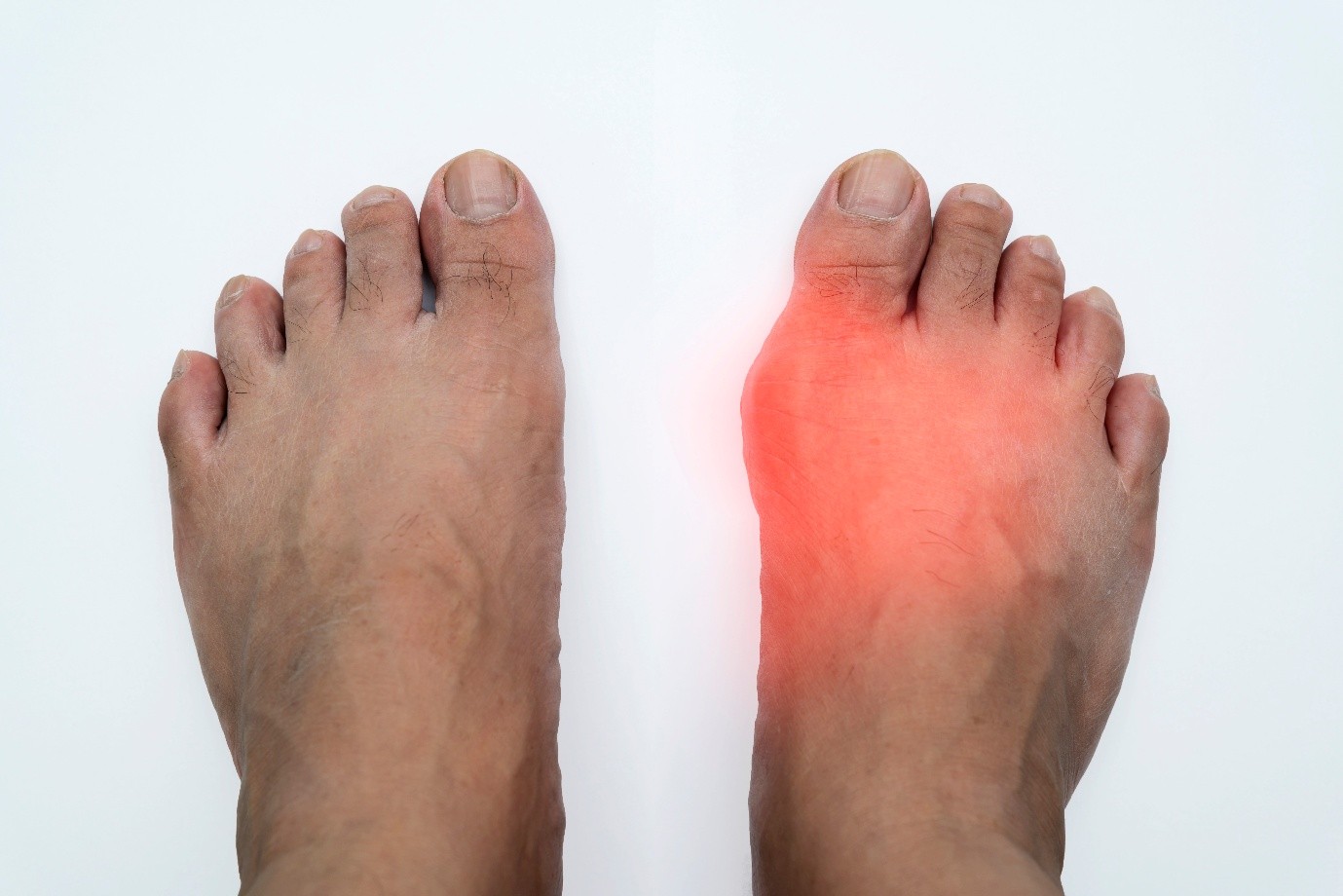
- Location of Pain — Pain is usually felt at the bottom of the heel, but it can also spread into the arch or be limited to just the arch.
- Pain After Rest — You may experience more pain and stiffness in the morning when you take your first few steps, or after sitting for a long time. The pain usually gets better after walking or moving for 5-15 minutes.
- Pain on Hard Surfaces — The pain often gets worse when walking on hard floors, especially with each step. But this may not happen to everyone.
- Burning or Tingling — Some people notice a burning, tingling, or numb sensation instead of a sharp mechanical pain. This often points to a nerve being involved, rather than the plantar fascia or a tendon.
What Are the Causes of Heel Pain?
A variety of factors and medical conditions can cause heel pain. While most conditions are amenable to conservative treatments, including chiropractic care, it is important to seek help promptly to avoid chronicity and further damage to injured structures. Some common diagnoses for heel pain include:
- Plantar Fasciitis — One of the most common causes of heel pain is plantar fasciitis, an inflammation of the thick band of tissue that runs across the bottom of your foot. This condition often causes sharp pain in the heel, particularly with the first few steps in the morning or after long periods of rest. Fortunately, there are several effective treatment methods for plantar fasciitis, including chiropractic treatments.
- Achilles Tendonitis — The Achilles tendon connects your calf muscles to your heel, and it can get inflamed or degenerate from overuse or injury. This condition is called Achilles tendonitis or tendinopathy, often causes pain at the back of the heel and is common in athletes or anyone who does high-impact activities.
- Flat Feet or High Arches — Having flat feet or high arches can put extra stress on the heel, causing pain. People with flat feet may experience more strain on the plantar fascia, while high arches can lead to poor shock absorption, both contributing to heel pain.
- Improper Footwear — Wearing shoes that don’t provide proper support or cushioning can lead to heel pain. High heels, flip-flops, or shoes with inadequate arch support can strain the feet, causing discomfort in the heel area.
- Heel Spurs — A heel spur is a small, bony growth on the underside of the heel bone. It often forms alongside long-standing plantar fasciitis. Many heel spurs cause no pain at all. When they do hurt, the discomfort usually comes from the surrounding tissue, not the spur itself.
- Nerve-Related Pain — Burning, tingling, or numbness in the sole can point to nerve involvement, such as tarsal tunnel syndrome. This is different from a purely mechanical issue like plantar fasciitis. It is more common in people with diabetes or other conditions affecting nerve health, and it generally needs a different assessment approach.
Pain in Other Parts of the Sole
Not all sole pain sits in the heel. Pain under the ball of the foot, sometimes called metatarsalgia, is often related to footwear or high-impact activity. It can also involve a thickened nerve between the toes, known as a Morton’s neuroma, which tends to feel like a burning pain or the sensation of standing on a small pebble. Pain along the arch can come from the same plantar fascia issues that cause heel pain, or from muscle fatigue after standing for long periods. If your pain sits away from the heel, it’s still worth a proper assessment, since the cause and treatment can differ from typical heel conditions.
Who Is More Likely to Get Heel Pain?
Heel pain can affect almost anyone, but certain factors make it more likely. Carrying extra body weight increases the load on the plantar fascia and heel with every step. Jobs involving long hours of standing or walking on hard floors, common in retail, hospitality, and healthcare, add similar repetitive strain. Runners and other athletes who suddenly increase their training volume or switch to a harder running surface are also more prone to it. As we get older, the natural fat pad that cushions the heel gradually thins out, which can make the area more sensitive to everyday impact even without a specific injury.
When to See a Doctor or Chiropractor Promptly
Most heel and foot pain responds well to conservative care. A few situations are worth getting checked sooner rather than later:
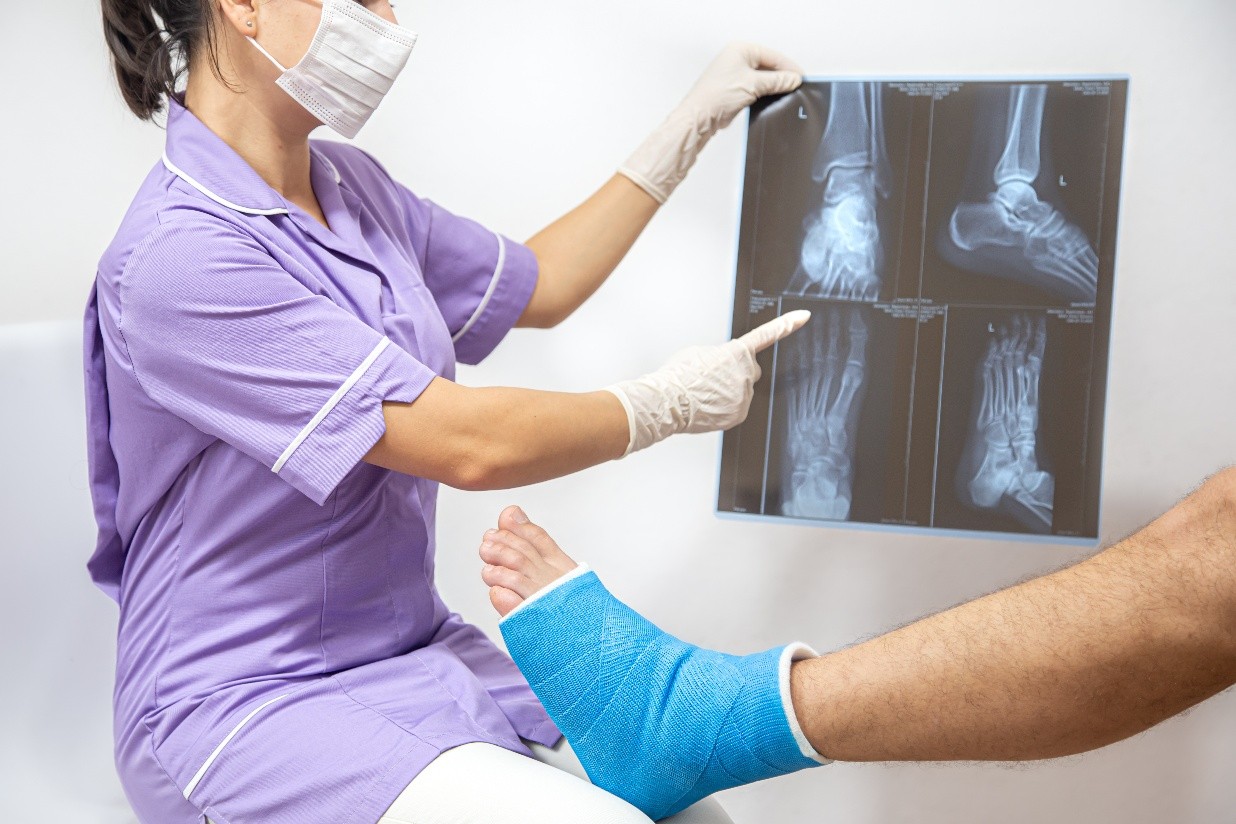
- Sudden, severe pain after a fall, twist, or direct impact, which could indicate a fracture
- Redness, warmth, swelling, and fever, which can be signs of infection
- Inability to bear weight on the foot at all
- Persistent numbness, tingling, or weakness, especially if you have diabetes or a known nerve condition
- Heel pain in a growing child, which can sometimes be a different condition called Sever’s disease
Sever’s disease is managed differently than adult heel pain. If any of these apply to you, it’s best to get assessed promptly rather than trying home care first.
Self-Care Tips Before Your Appointment
A few simple steps can help in the early stages of heel or foot pain:
- Rest from high-impact activity where possible, without becoming completely inactive
- Ice the area for 15-20 minutes at a time to help with pain and inflammation
- Choose supportive footwear with good cushioning, and avoid flat, unsupportive shoes or high heels
- Gently stretch your calf and the sole of your foot, particularly first thing in the morning
These steps can help mild cases. If your pain hasn’t improved after a week or two of consistent self-care, it’s worth getting a proper assessment instead of managing it alone.
How Can a Chiropractor Help with Heel Pain?
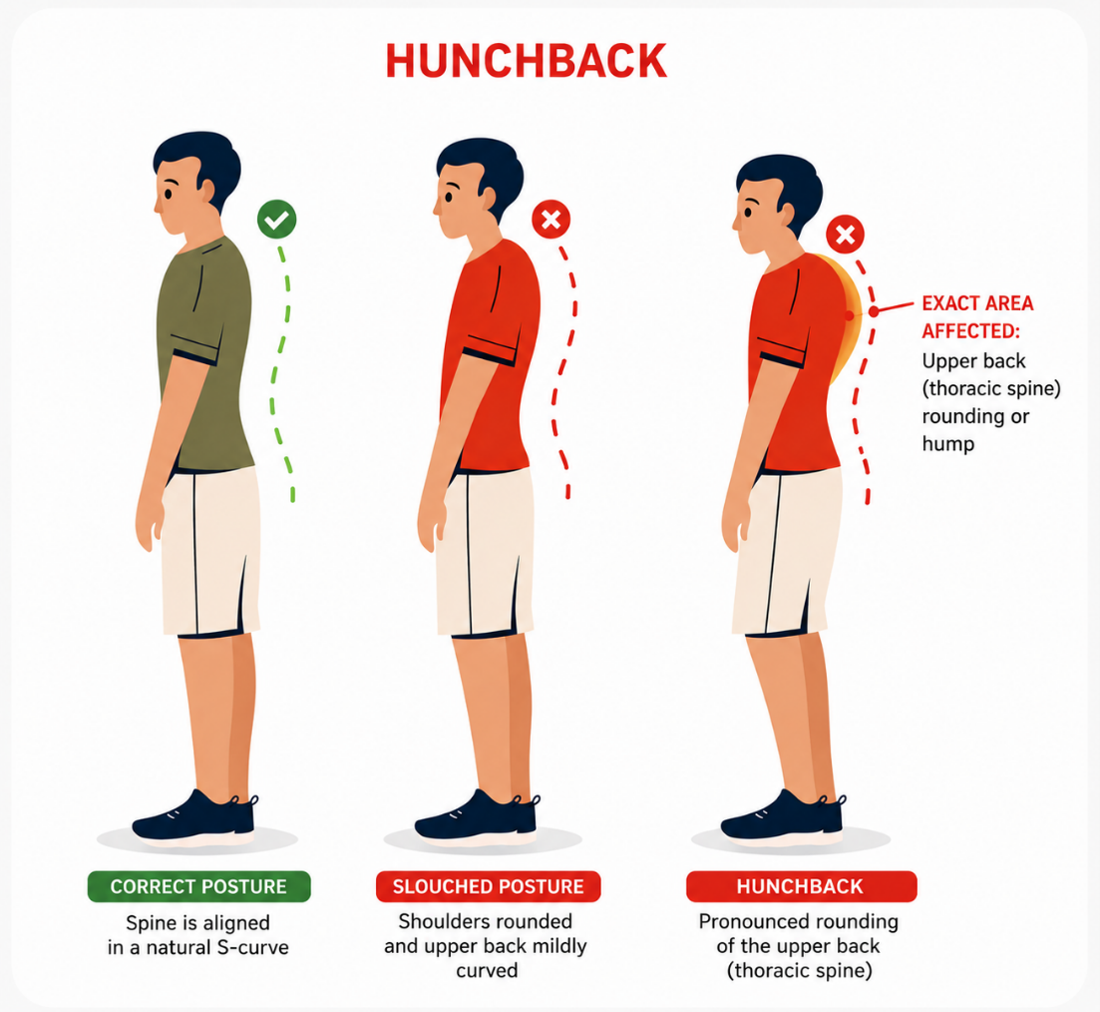
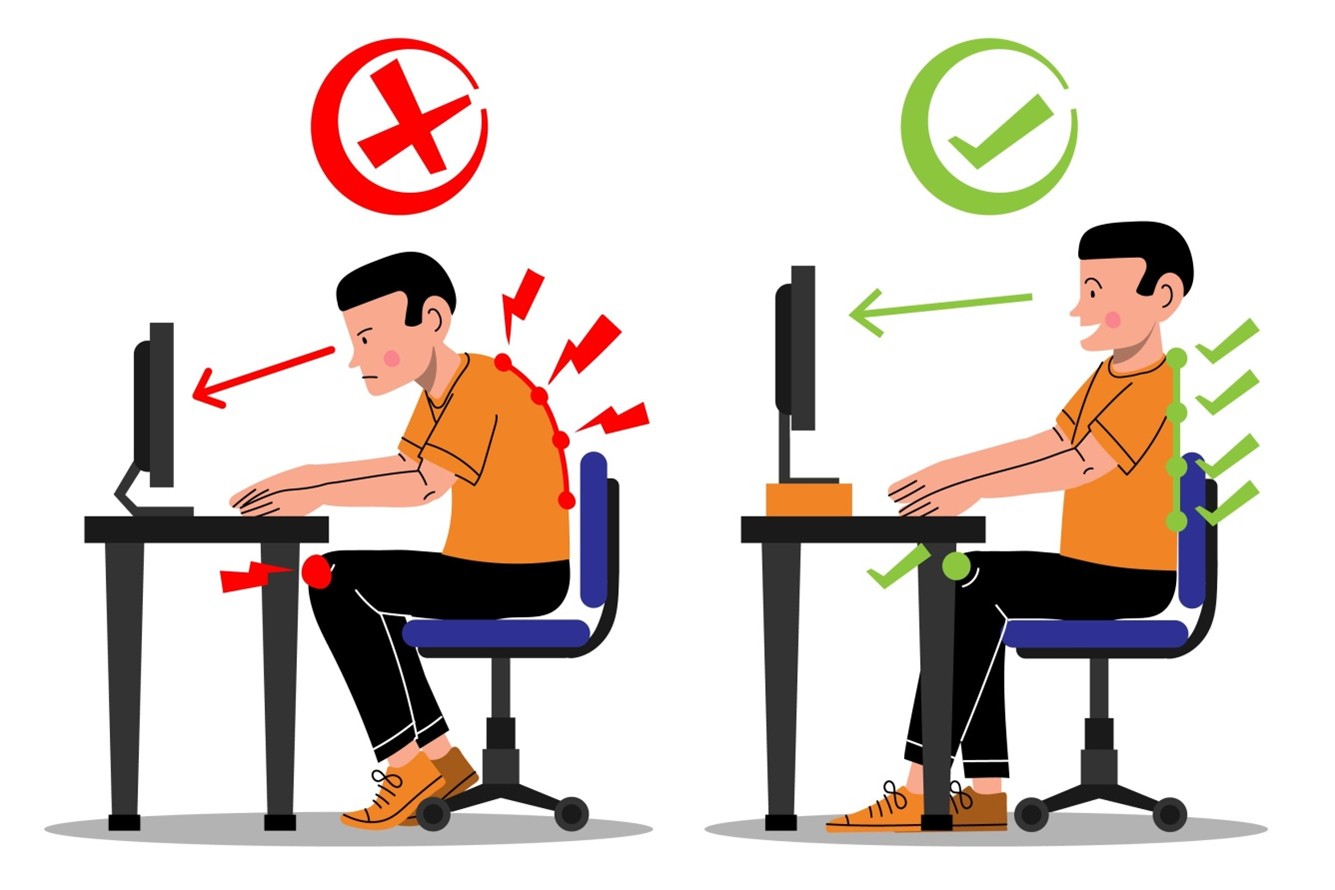
Chiropractic care can help manage heel pain. A Chiropractor treats the injured area directly, but also looks at the whole body to identify biomechanical issues leading to excessive foot strain. Sometimes, poor posture or poor body mechanics can put extra stress on your heels without you even knowing it.
A typical assessment includes a review of your walking pattern and gait, a check of your footwear, and an examination of the ankle, knee, and hip joints above the painful area. Problems further up the chain often show up as strain at the foot. This wider view is part of what distinguishes chiropractic assessment from simply treating the sore spot in isolation.
After a full check-up, the chiropractor may recommend:
- Foot adjustments to ease pressure and improve balance.
- Physical agent modalities, including shockwave therapy and ultrasound therapy, to help speed up the injured tissues healing
- Additional foot, ankle, knee, hip, and pelvic adjustments and exercises to improve the body’s mechanics, helping avoid excessive stress on the heels.
What Does Recovery Usually Look Like?
Most cases of mechanical heel pain, such as mild plantar fasciitis, improve noticeably within a few weeks of consistent conservative care. More long-standing cases can take longer. These often benefit from an early, thorough assessment rather than waiting to see if it resolves on its own. Nerve-related pain, or pain tied to an underlying condition like diabetes, tends to need a more tailored timeline based on what’s actually driving the symptoms.
Preventing Heel Pain from Coming Back
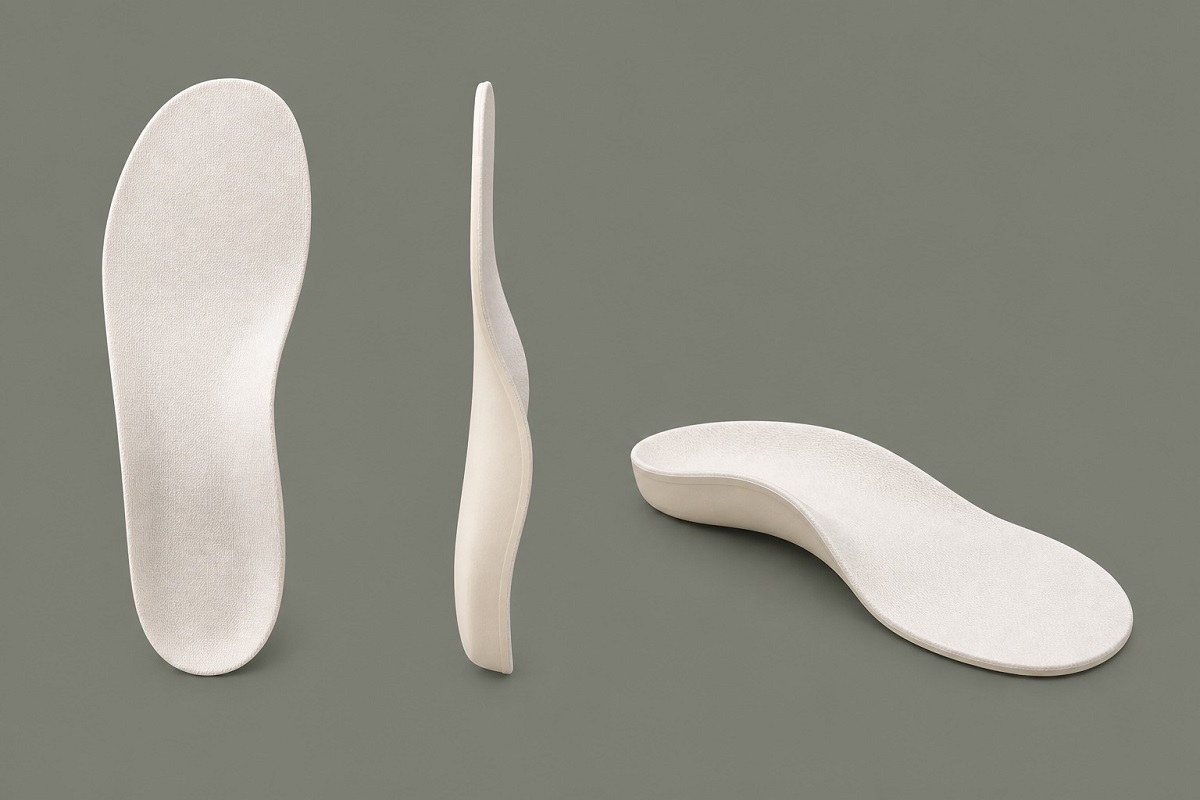
Once heel pain has settled, a few habits help keep it from returning. Increase running or walking volume gradually rather than jumping straight back into your previous routine. Replace worn-out shoes regularly, since cushioning and support break down well before the shoe looks visibly damaged. Keep up with simple calf and foot stretches even after symptoms resolve. A supportive insole also helps if you spend long hours on your feet at work. Custom foot orthotics can also help, especially for flat feet, high arches, or a history of recurring heel pain. They distribute pressure more evenly and reduce the chance of it flaring up again.
Frequently Asked Questions
What is the most common cause of pain in the soles of the feet?
Plantar fasciitis is the most common cause of heel and sole pain. Flat feet, high arches, improper footwear, and nerve-related issues can all contribute as well.
Why does my heel hurt more in the morning?
Morning heel pain that eases after a few minutes of walking is a classic sign of plantar fasciitis. This happens because the plantar fascia tightens overnight and then stretches again once you start moving.
When should I worry about foot pain?
Foot pain is worth getting checked promptly if it follows a fall or injury, comes with swelling, redness, or fever, or involves persistent numbness or tingling. The same applies if you simply cannot bear weight on the foot.
Can flat feet or high arches really cause heel pain?
Yes. Flat feet often place extra strain on the plantar fascia, while high arches can reduce natural shock absorption. Both patterns can lead to heel pain over time.
Can a chiropractor help with heel pain in Hong Kong?
Yes, in many cases. A chiropractor will assess your foot, posture, and overall body mechanics to identify what’s contributing to your heel pain, then build a treatment plan around the actual cause.
Can heel pain go away on its own without treatment?
Mild cases sometimes settle with rest, proper footwear, and stretching alone. Pain that persists beyond a couple of weeks, or keeps returning once you resume normal activity, is a sign that the underlying cause hasn’t been fully addressed and is worth getting assessed.
Is it normal to have heel pain in both feet at once?
It can happen, particularly with plantar fasciitis or issues related to footwear or body weight, since both feet are usually under similar daily strain. Pain in both heels at once is still worth assessing rather than assuming it will resolve by itself.
Ready to Get Your Foot Pain Checked?
Heel pain can make everyday activities difficult, but the right treatment can help. Whether it’s from plantar fasciitis, Achilles tendinopathy, poor footwear, or posture issues, identifying the actual cause is the first step toward lasting relief. If you’re looking for natural, effective relief, our team at Agape Chiropractic Hong Kong offers expert, personalized care to help you get back on your feet. You can reach us at 2777 3377 or message us on WhatsApp to book an assessment.