
Radiculopathy can lead to numbness, pain, and tingling along a pinched nerve in your back. Mainly, there are three types of radiculopathy: cervical, lumbar, and thoracic. The type of radiculopathy you have depends on where in your back your pinched nerve is. In this blog post, we’ll discuss lumbar radiculopathy. If you are struggling with lumbar radiculopathy and looking for an effective treatment, you’ve landed on the right page.
What is Lumbar Radiculopathy?
Lumbar radiculopathy involves irritation or compression of a nerve root in the lower back. It leads to symptoms that spread from the back down one or both legs. It’s essential to understand the parts of the spine to understand this condition:
- Vertebrae: These are bones that form the spine. The lumbar spine has the 5 bottom vertebrae.
- Disc: These are soft pads of tissue that sit between the vertebrae. They act as shock absorbers for the spine.
- Spinal canal: This is formed within the stacked vertebrae. In the lumbar spine, nerves run through this canal.
- Nerves: These travel to parts of the body. As they leave the spinal canal, nerves pass through openings between the vertebrae. The nerve root is the part of the nerve that is near the spinal canal.
- Sciatic nerve: This is a large nerve formed from various nerve roots in the lower back. This nerve extends down the back of the leg to the foot.
Nerve roots in the lower back can become irritated, which leads to lumbar radiculopathy. This results in pain and manifests various symptoms. When the sciatic nerve pathway is involved, the condition is often referred to as sciatica.
What are the Common Symptoms of Lumbar Radiculopathy?
If you notice a few of the following symptoms in your lower back, you may have lumbar radiculopathy.
- Pain in the lower back is a common complaint and may sometimes accompany lumbar radiculopathy. Indeed, low back spinal injury or degeneration often precede lumbar radiculopathy. Low back pain (LBP) should not be ignored. If you experience frequent LBP, a chiropractic consultation is warranted. There are several reasons for LBP, you can read our recent post on lower back pain causes in women.
- Muscle spasms or weakness that travels down to your butt, groin, hip, or leg
- Loss of reflexes
- Sciatica
- Feeling of numbness or altered sensation
- Experiencing needles and pins or a tingling sensation
- Having difficulty walking
- Feeling a radiating, aching, throbbing, dull, shooting, burning, or electric pain.
What Causes Lumbar Radiculopathy and Lower Back Pain?
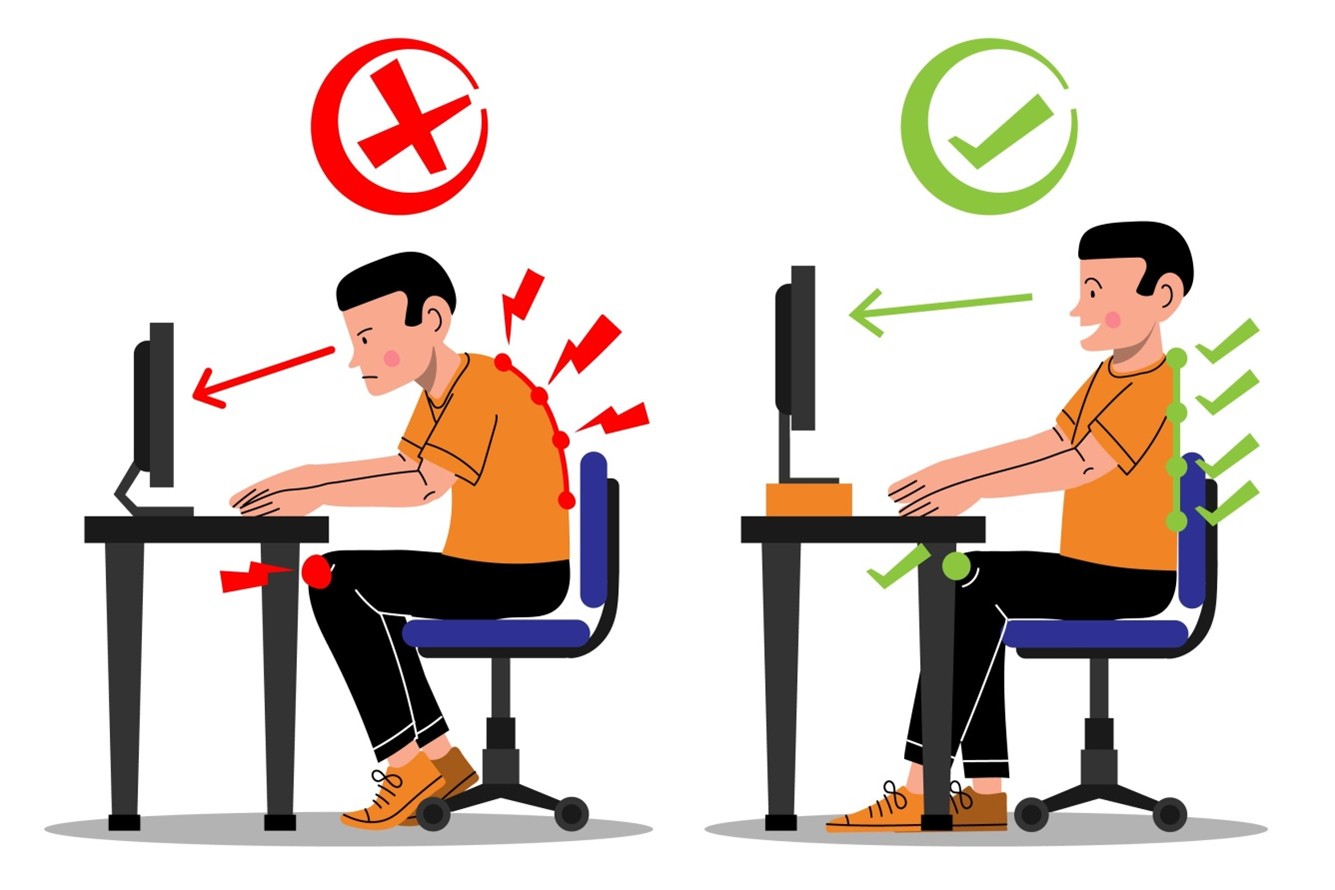
Lumbar radiculopathy can be caused by ageing, poor posture, injuries, extra body weight, or other issues that lead to lower back pain that irritates the nerve root. Pressure or irritation of the nerve root can contribute to lumbar radiculopathy. Here are some other causes linked to this condition:
- Ageing and spinal degeneration
Age-related wear and tear can cause the spinal discs to lose their shape and flexibility. Spinal stenosis is a condition where the space inside the spine narrows as a result of these degenerative changes. Symptoms like numbness, pain, weakness, or tingling may result from pressure on the nerve roots caused by this narrowing. Spondylolisthesis, where the vertebrae move forward and compress the nerve root, can also contribute to lumbar radiculopathy. - Disc-related conditions
A herniated disc is the most common cause of lumbar radiculopathy, where the soft inner material of the spinal disc protrudes and puts pressure on surrounding nerve roots. Intervertebral disc degeneration refers to aging and gradual changes in spinal discs over time, which can lead to disc bulging or herniation/protrusion. - Traumatic injury
A traumatic event like a car accident or fall that leads to spinal injury, such as a dislocation or fracture, can damage or compress nerve roots. - Other conditions
While not a direct contributor, scoliosis, and other spine deformities can contribute to spine wear and tear and eventually lead to nerve irritation. Moreover, other medical conditions, although less common, may put pressure on the nerves in your lower back. If you have had a previous spinal surgery, scar tissue may also impact a nerve root. A bone spur growing on one of your vertebrae may also irritate or compress the root of your spinal nerves.
How Do Chiropractors Diagnose Lumbar Radiculopathy?
Lumbar radiculopathy is diagnosed by HK chiropractors using a physical examination and a review of the patient’s medical history. The physical examination will include a number of tests to measure range of motion and reflexes in the affected area, as well as tests to determine whether there is lower back pain or muscle spasm. Imaging tests, such as MRI scans or X-rays, may be used in specific cases (for example, severe symptoms or lack of improvement) to support the diagnosis.
What Chiropractic Treatments are Effective for Lumbar Radiculopathy?
Following a diagnosis, lumbar radiculopathy can be treated in a number of ways to reduce pain and increase range of motion. Many cases improve over time with conservative care. The musculoskeletal system, which includes the muscles, joints, and bones, is the area of expertise for chiropractors. Chiropractic treatment options may help:
- Spinal adjustments: Chiropractors at Agape Chiropractic Hong Kong use spinal manipulations to help improve joint mobility and may help reduce pain in the lower back.
- Soft tissue therapy: Techniques like trigger point therapy can help address tightness and tension in the lower back, which can contribute to discomfort and pain.
- Exercise and rehabilitation: Chiropractors may suggest specific exercises to improve spinal stability and strengthen core muscles. This approach can help in reducing future instances of radiculopathy and improving overall functionality.
Which Nerves are Affected in Lumbar Radiculopathy?
The specific nerves affected in lumbar radiculopathy depend on the severity of the condition, but most commonly involve:
- L4 nerve root
- L5 nerve root (most frequently affected)
- S1 nerve root
How Long Does Lumbar Radiculopathy Take to Heal with Chiropractic Treatment?
Lumbar radiculopathy recovery time can vary depending on the severity and duration of the condition, as well as individual factors. In many cases, symptoms improve within a few weeks, while others may take a few months. More severe cases, such as those involving significant nerve compression, may take longer to recover.
How Does Lumbar Radiculopathy Differ from Sciatica?
Lumbar radiculopathy and sciatica are frequently used interchangeably, but they represent different clinical concepts. Lumbar radiculopathy is a diagnostic term referring to the compression or inflammation of a spinal nerve root (typically L1 through S1). This condition results in neurological deficits—such as weakness, numbness, or diminished reflexes—that correspond to the specific nerve root affected. While localized lower back pain may be present, the hallmark of radiculopathy is “referred” symptoms that travel along the nerve’s path.
Sciatica, conversely, is a clinical description of a specific symptom pattern rather than a standalone diagnosis. it refers specifically to pain that radiates along the sciatic nerve, which is formed by the convergence of the L4 through S3 nerve roots. This pain typically travels from the lower back through the buttock and down the posterior or lateral leg, often extending below the knee to the foot.
In essence, sciatica is a specific type of lumbar radiculopathy. However, not all lumbar radiculopathy is sciatica; for example, compression of the L2 or L3 nerve roots will cause pain in the front of the thigh (femoral nerve distribution), which would not be classified as sciatica.
Conclusion
If you are struggling with lumbar radiculopathy, you should seek medical help. You can book an appointment with Agape Chiropractic Hong Kong for a diagnosis and to find out what treatment options may work best for you based on your individual condition.