Scoliosis  Brace

Scoliosis Brace

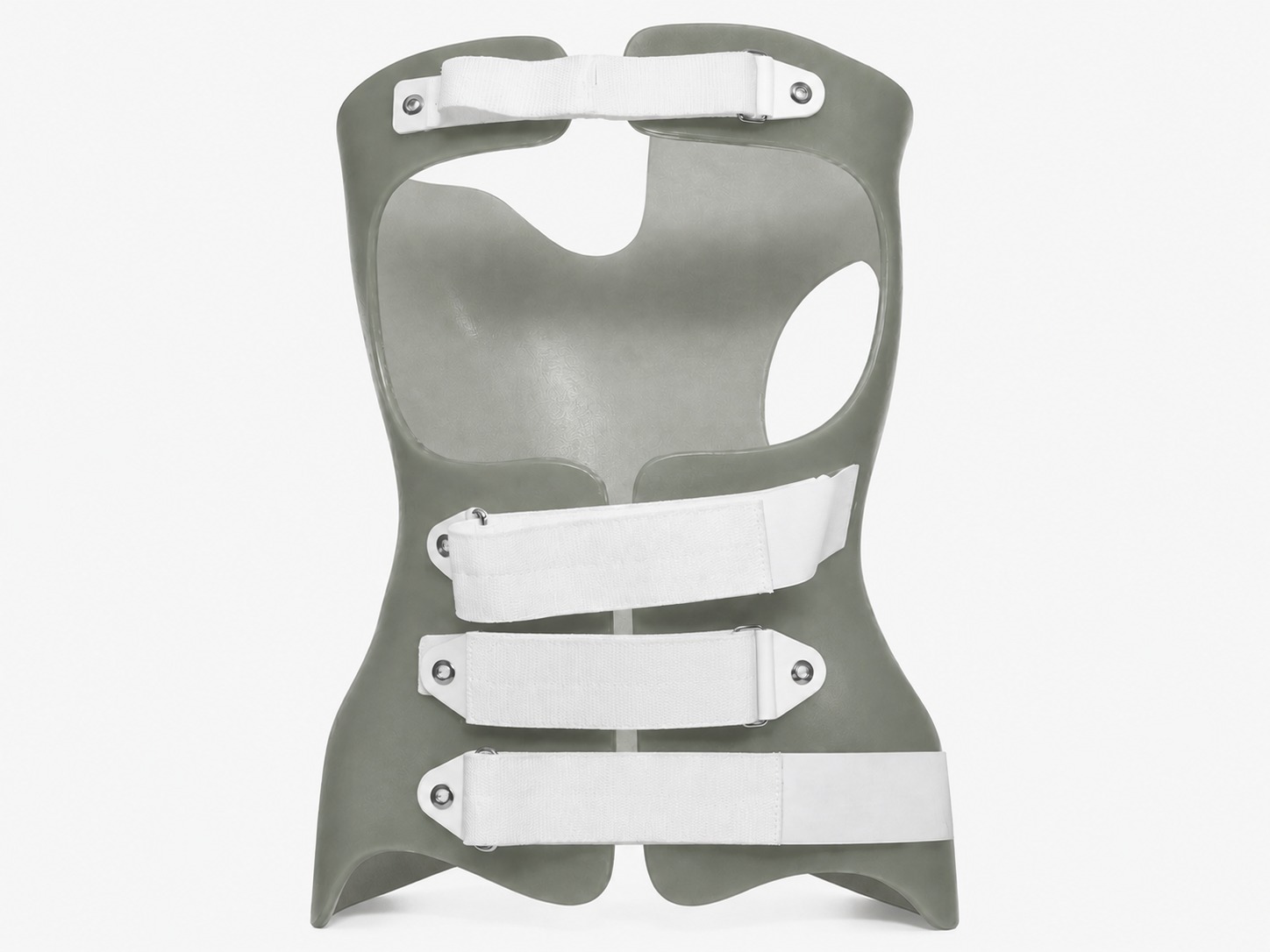
Being diagnosed with scoliosis can be unsettling. Fortunately there are available treatment methods to help this condition. A brace for scoliosis, also known as a spinal orthosis, acts as a custom-made support vest. It applies 3D corrective forces to the trunk and spine to help reduce the risk of curve progression during growth. Years ago, these scoliosis braces were heavy, but today they are designed to be light and thin, while remaining effective. As a result, you can wear them easily under your regular clothes, often unnoticed. It can take a little while to get used to the feeling of wearing a brace, but most patients eventually feel comfortable, and can put it on through the day without problems. By wearing it every day, many patients can limit the risk of the curve progressing to a level where a surgery is required.

What is a scoliosis brace, and how does it work?

A scoliosis brace, also called thoracolumbar sacral orthosis (TLSO), is a treatment option available for children and adolescents struggling with scoliosis. Scoliosis is a condition in which the spine develops a three-dimensional deformity involving lateral curvature, rotation, and altered spinal alignment. An X-ray or EOS scan is used to measure the curve using the Cobb angle, often appearing as an S- or C-shaped curve. If you reach out to us (Chiropractor Central Hong Kong), our chiropractors will help classify the scoliosis, and measure how far the spine curves left or right away from the center of the body. You may benefit from scoliosis bracing, typically considered for curves over 20° (Cobb angle), particularly in individuals with remaining skeletal growth and risk of progression. A scoliosis correction brace applies targeted corrective forces to the spine to limit progression during growth. Over time, the pressure acts to prevent curve progression. Chiropractors at Agape Chiropractic Hong Kong recommend a scoliosis spinal brace for children and adolescents whose bones are still developing. Brace use is typically reduced and stopped once skeletal growth is complete, under clinical guidance.
Scoliosis Brace

Different types of bracing for scoliosis

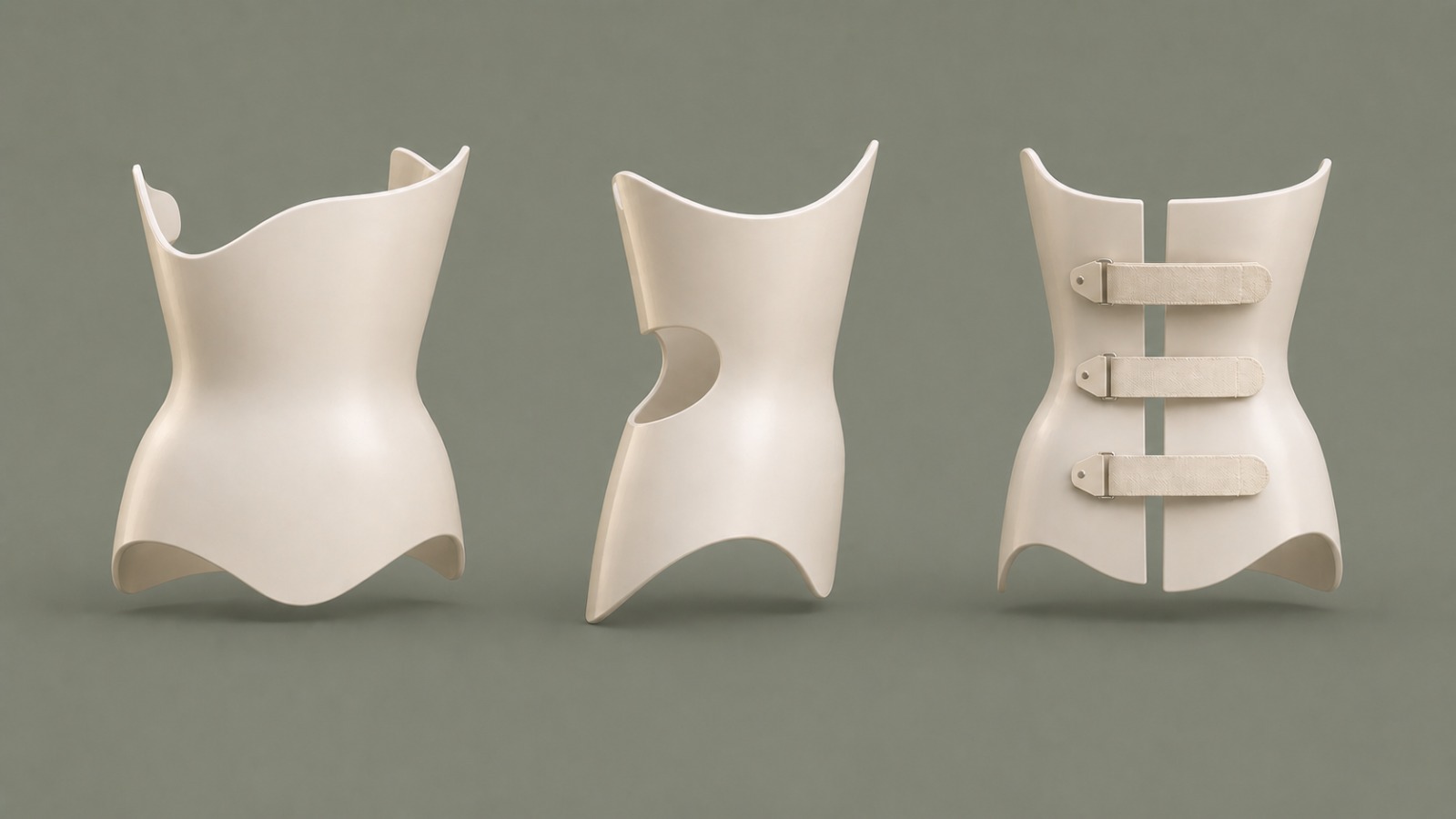
Most braces are made of plastic. They wrap around a person’s trunk, and run from the armpits to just below the waist. Two common types of braces used for children with moderate scoliosis include:
While the design is slightly different, these braces have a similar mechanism of action. A spine brace for scoliosis gently puts pressure on three points of the side-to-side curve in your spine. The brace opens at the back (Boston) or front (Cheneau), and runs straight up and down from your armpits to the waist.

What happens if you stop wearing your scoliosis brace early?

If you stop wearing your scoliosis brace early, it can affect your treatment. The main concern is that your spine may curve more. A scoliosis correction brace should be used until the patient reaches bone maturity to avoid curve progression. Your chiropractor can help determine your bone age with your x-rays and other clinical information.
If the curve continues to grow, you might have to go through more invasive procedures, like a scoliosis surgery. The choice to use a brace and the type of brace to use depend on the severity of the curve, how fast the patient is growing, and the potential progression of the curve.
It is essential to note that in growing kids/adolescents, curve progression can happen quickly if not using a scoliosis spinal brace. The most critical moment are the growth spurts, durig which treatment consistency is key.
If the brace is worn throughout the patient’s growth and discontinued carefully and progressively after having reached bone maturity, the risk of reaching a more severe spinal curvature requiring a surgical intervention is significantly less.

Is wearing a scoliosis brace painful or uncomfortable?

One of the most common myths about scoliosis bracing is that the brace is painful and uncomfortable to wear. Many patients worry that the brace will cause skin irritation or make it difficult to breathe. While it is true that the brace might feel unusual at first, most patients get used to it with time. Modern braces are designed with comfort in mind, and quality materials make them lighter and more breathable than those of the past.
For those who need to wear a brace, it is important to remember that it is not intended to cause pain, though mild discomfort or pressure is common initially. The brace puts pressure on the body and helps stabilise the spine.
Patients may feel some discomfort when they start wearing their brace, especially in the areas where the brace comes into contact with the body, but this reduces as the body adjusts. If any significant discomfort persists, it is essential to speak to your chiropractor who can help coordinate adjustment of your brace or suggest alternative solutions. Our Chiropractors are also certified in the Schroth Method which is a special prescription customised Scoliosis exercise to perform on a daily basis while undergoing spinal brace treatment. You may also wonder whether there are any exercises not allowed for scoliosis? While most exercises and sports are fine, some specific movements may be detrimental to scoliosis. Your chiropractor can guide you through the dos and don’ts.

What Clothes Should Be Worn Over a Scoliosis Brace?

Managing scoliosis can be challenging—especially for children and teens who want to feel comfortable and confident while living a normal, active life. Traditional scoliosis braces were often bulky and rigid, making them difficult to conceal under everyday clothing. Fortunately, modern braces are designed to be slimmer, and with the right clothing choices, they can be worn discreetly without compromising support.

Here are some practical tips for dressing comfortably over a scoliosis brace:

Choose loose-fitting clothing. Tight or form-fitting garments can outline the brace and make it more noticeable. Looser tops, dresses, and layered outfits help conceal the brace while allowing freedom of movement.
Opt for breathable fabrics. Because scoliosis braces can limit airflow to the skin, clothing made from breathable materials—such as cotton or moisture-wicking blends—helps improve comfort by allowing air circulation and reducing sweat buildup.
With thoughtful clothing choices, your child can stay comfortable, confident, and well-supported while wearing a scoliosis brace.

Scoliosis brace vs surgery: which is better?

Aspect

Scoliosis Brace

Surgery (Spinal Fusion)

Purpose

Prevents curve progression during growth

Corrects and stabilizes the curve

Best for

Mild to moderate curves (usually growing children/teens)

Severe curves or when bracing fails

Effectiveness

Works well if worn as prescribed

Can significantly reduce and correct curvature

Invasiveness

Non-invasive (external device)

Major surgical procedure

Cost

Generally lower

Much higher (hospital + surgery costs)

Bracing is usually the first option for growing patients with moderate curves, while surgery is considered when the curve is severe or continues to worsen despite bracing. The “better” choice depends on curve severity, age, and how the condition progresses.

Schedule an appointment with us to discuss your child’s scoliosis and determine whether a scoliosis brace is appropriate.

Visit us and receive expert evaluation and a personalized plan for managing scoliosis, including guidance on choosing and using the right brace to support your child’s spine and prevent further progression. Our team at Agape Chiropractic Hong Kong will ensure a comfortable fit and provide ongoing support throughout your treatment journey. Take the first step toward better posture, improved spinal health, and long-term confidence.
Frame
Hong Kong Central Chiropractor