- 2777 3377
- Unit A, 8/F, World Trust Tower, 50 Stanley Street, Central
- Unit A, 8/F, World Trust Tower, 50 Stanley Street, Central

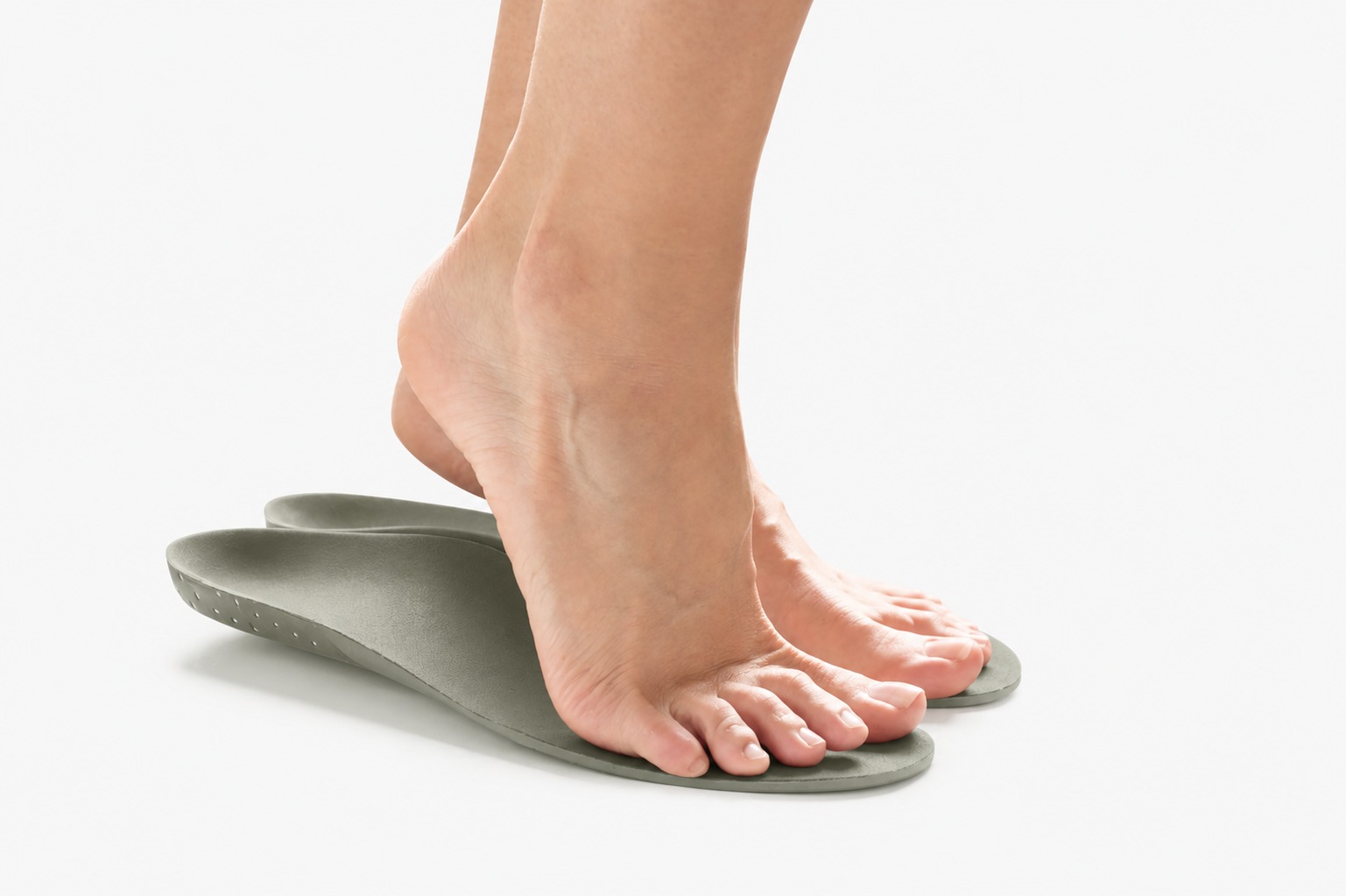
These medically designed devices are worn inside footwear to help influence how forces are distributed through the foot and lower limb. Rather than acting as a simple cushion, a foot orthosis works by modifying ground reaction forces, supporting specific anatomical structures, and reducing excessive mechanical stress on tissues. When appropriately prescribed, foot orthoses may help reduce pain, improve movement efficiency, and support long‑term musculoskeletal health.
In modern evidence‑based practice, foot orthoses are commonly used as part of a broader management plan for foot, ankle, knee, hip, and lower back conditions. By addressing how the foot interacts with the ground, these devices can influence the entire kinetic chain during standing, walking, and running. Subtle changes in loading at the foot can result in meaningful reductions in tissue stress higher up the body, particularly during repetitive daily activities.
Foot orthoses are commonly used by individuals of all ages, including athletes, office workers, and older adults. Their role is not rigid correction, but functional support that adapts to movement demands.
This type of medical device may be custom or prefabricated and is designed to interface with the plantar (bottom) surface of the foot. A foot orthosis primarily alters loading patterns by changing the magnitude, direction, and timing of forces that act on the foot during movement.
By shifting pressure away from irritated tissues such as the plantar fascia, metatarsal heads, or posterior tibial tendon, orthotic support may improve gait mechanics and reduce excessive strain on muscles, tendons, and ligaments. This redistribution of load is particularly important during walking and running, where repetitive forces can accumulate over time.
Importantly, these devices are not intended to permanently change foot posture. Instead, they help manage tissue stress, allowing irritated structures an opportunity to recover while supporting more efficient movement. Orthoses are often most effective when combined with appropriate exercise, manual therapy, and footwear advice.
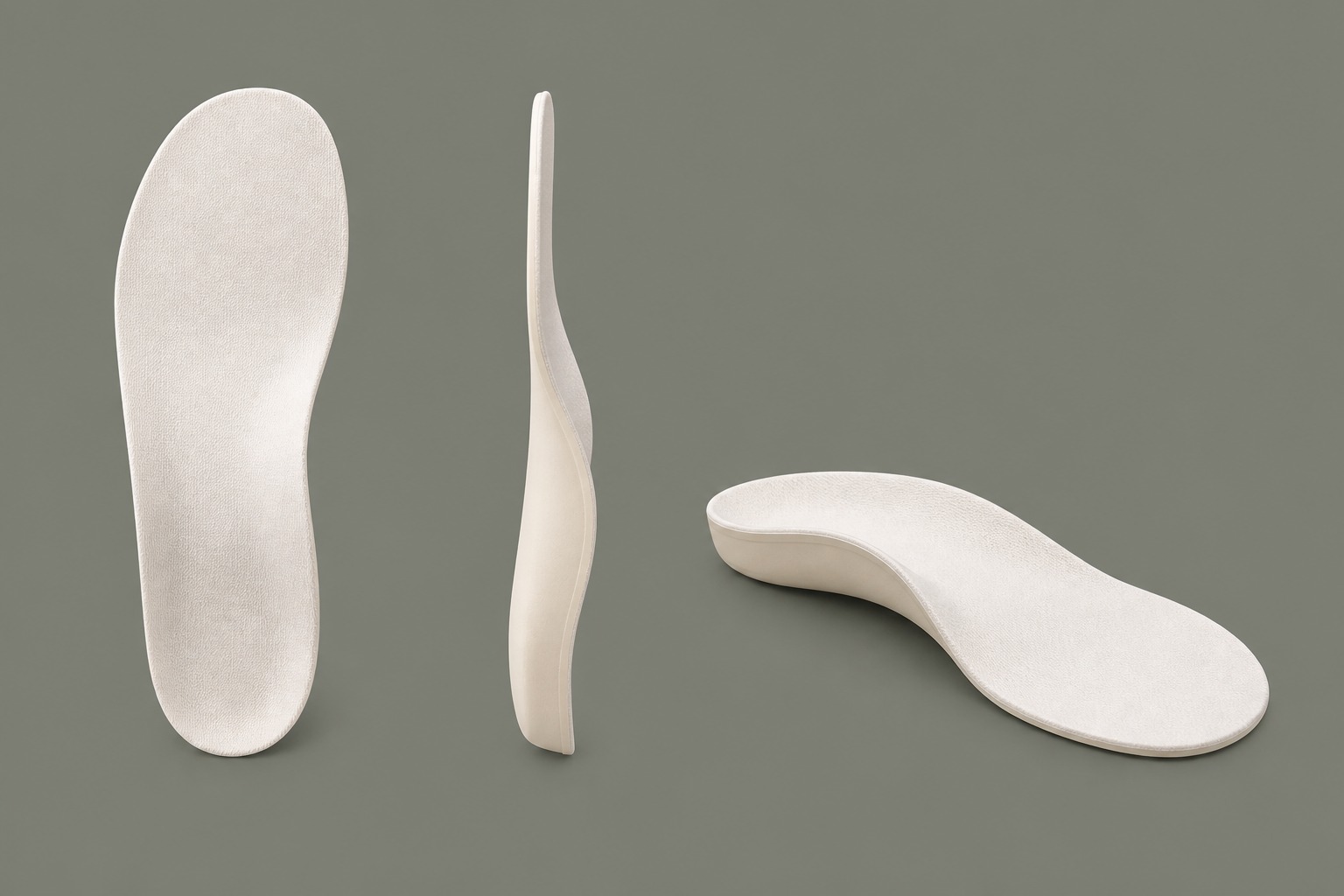
Some people tolerate subtle biomechanical imbalances for years before symptoms appear. However, certain clinical and functional indicators suggest that an assessment by a Chiropractor Hong Kong could be beneficial.
These signs may develop gradually and are often dismissed as normal discomfort. Early assessment allows contributing factors to be addressed before symptoms become more persistent or limiting. Here are some examples:
Repeated sprains may indicate instability or impaired foot control during movement. Frequent ankle sprains can sometimes be reduced by improving foot position and load management with appropriate orthotic support.
In some individuals, improved foot stability may also reduce reliance on compensatory muscle strategies, lowering the risk of reinjury during sport or daily activities.
Foot orthoses are commonly classified based on material properties, functional goals, and clinical application. The most suitable type depends on individual movement patterns, activity levels, and symptom presentation.
Mass‑produced inserts are designed to fit a wide range of foot shapes. A premade foot orthosis may provide short‑term relief for mild symptoms but does not account for individual biomechanics, asymmetries, or gait patterns.
By contrast, a custom foot orthosis, which is what we provide in our clinic, is designed following a detailed clinical assessment and an accurate model of your foot. Customisation allows precise control of stiffness, contour, and pressure relief, which is essential for managing persistent or complex conditions.
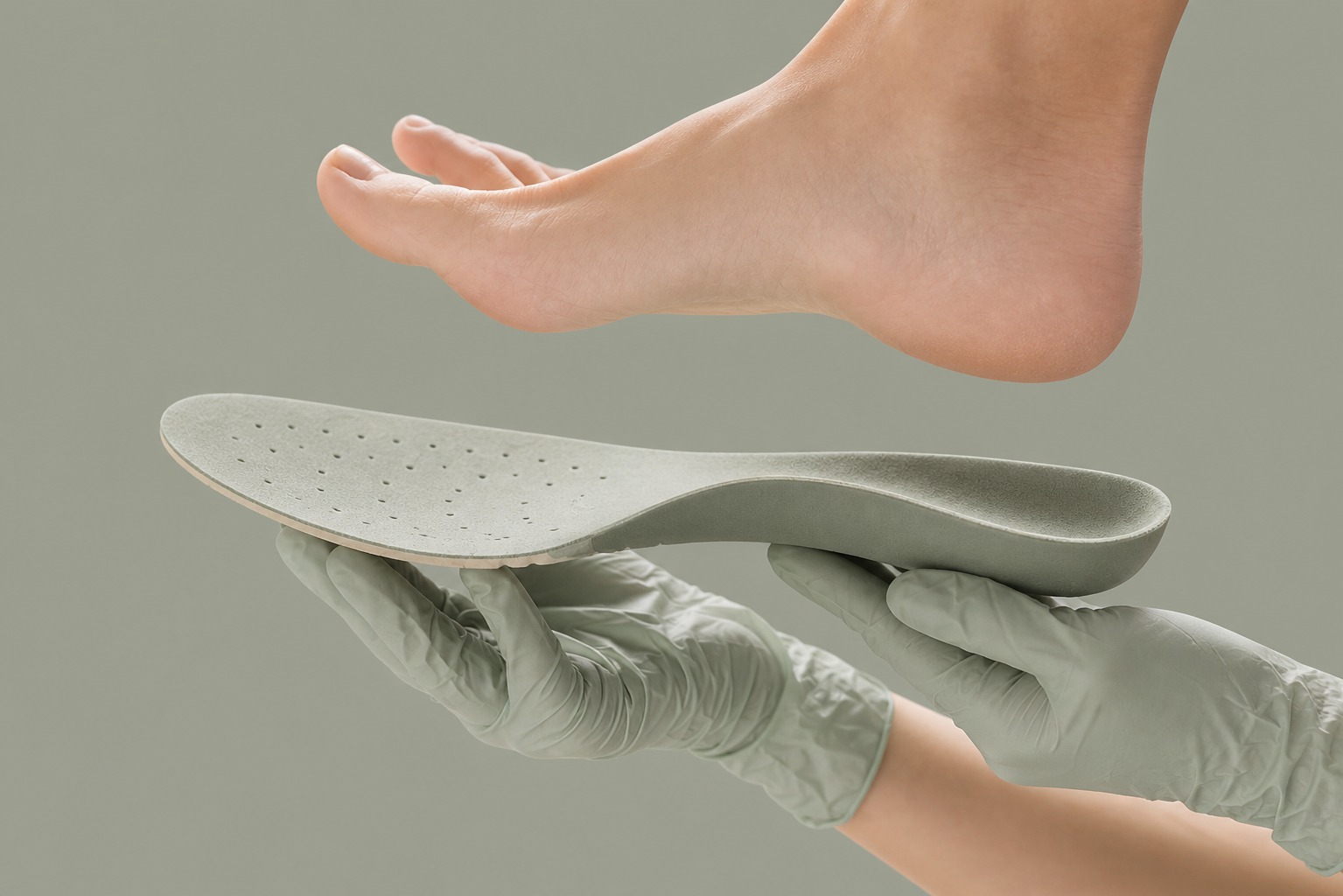
Clinical decisions are based on how the entire body functions during movement. A Chiropractor Hong Kong approach considers the relationship between foot mechanics, joint loading, and spinal alignment rather than focusing on foot shape alone.
At Agape Chiropractor Hong Kong, orthotic prescription forms part of a comprehensive musculoskeletal assessment. This ensures that the device complements other aspects of care rather than being treated as a stand‑alone solution.
Assessment includes evaluation of joint mobility, muscle strength, posture, and symmetry. A full body assessment helps identify contributing factors that influence tissue stress and movement patterns throughout the lower limb and spine.
This approach ensures that treatment decisions address underlying causes rather than only managing symptoms at the foot.
Careful observation of walking and, when appropriate, running provides essential insight. Gait analysis evaluates foot strike, timing, joint coordination, and alignment to determine where excessive or abnormal loading occurs.
This information helps refine orthotic design and guides recommendations around activity modification or rehabilitation.
Precision manufacturing relies on accurate foot modelling. A 3D map of your foot is captured using advanced scanning technology to ensure the finished orthotic closely matches anatomical and clinical requirements.
This process improves consistency, comfort, and long‑term durability of the device.
Clinical findings guide the design process. Prescriptions for foot orthotics specify material properties, support characteristics, and any additional features required to accommodate asymmetries or sensitive structures.
Each prescription is individualised based on clinical goals rather than a one‑size‑fits‑all approach.
These devices may form part of care plans for plantar fasciitis, flat feet, heel pain, forefoot pain, arthritis, shin splints, and selected sports‑related injuries.