- 2777 3377
- Unit A, 8/F, World Trust Tower, 50 Stanley Street, Central
- Unit A, 8/F, World Trust Tower, 50 Stanley Street, Central

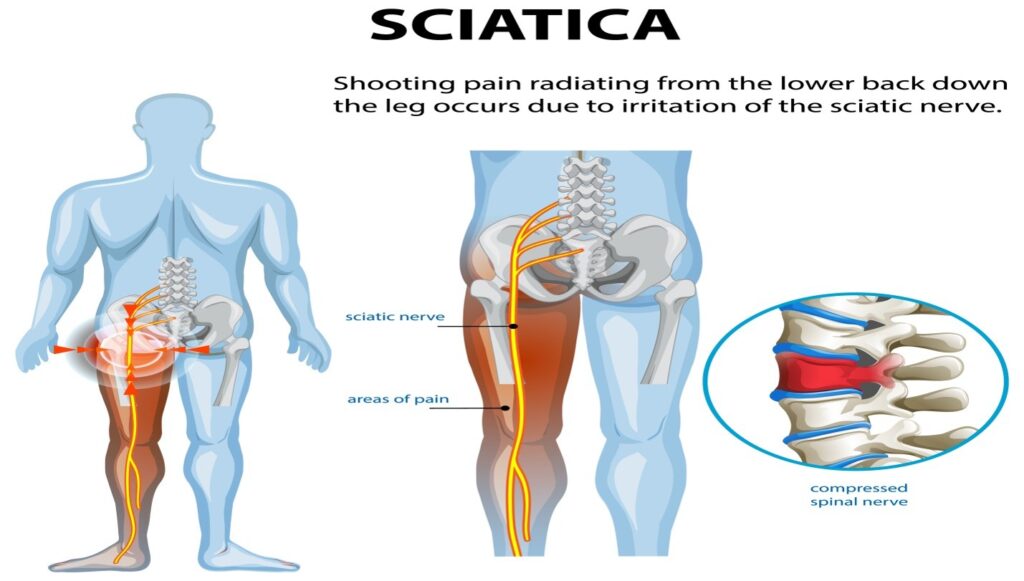
Yes. Sciatica can cause numbness or weakness. These symptoms occur when the sciatic nerve becomes compressed or irritated. Nerve irritation or compression can affect how signals travel between your muscles and your brain. When this happens, you may experience:
If you have any of the following warning signs, you may need to see a chiropractor HK:
If you are interested in knowing how to treat sciatica with a chiropractic approach, you can read our previous blog on treatment methods used to treat this condition.

While you can’t always prevent cervical root syndrome, there are certain ways to reduce the risk:
Cervical nerve root compression can be treated using different chiropractic methods, including spinal manipulation, therapeutic exercises, and lifestyle changes.
Overall, there are different methods that a chiropractor may use to help relieve the pain of a compressed cervical nerve.
Recovery from cervical radicular syndrome varies depending on the severity of the condition and the individual’s response to conservative care. Many individuals start to see improvement within a few weeks. However, recovery timelines vary depending on symptom severity and contributing factors. Consistency with your chiropractic session and adherence to your home exercise program are crucial to achieve the best outcome.
If you have any of the following warning signs, you may need to see a chiropractor HK:
If you are interested in knowing how to treat sciatica with a chiropractic approach, you can read our previous blog on treatment methods used to treat this condition.

A chiropractor will conduct a physical exam and review your medical history to diagnose TOS. As a part of the exam, you’ll be asked to do movement-based tests, including:
For these tests, you may be asked to lift your arms, clench your fists, and tilt your head. We’ll assess which movements reproduce or aggravate symptoms.
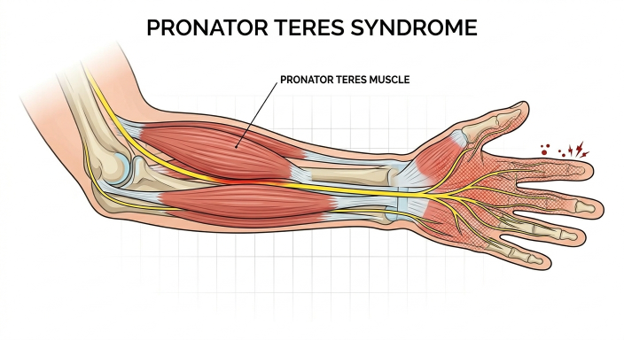
A chiropractor can help with pronator teres syndrome by reducing irritation around the median nerve, stretching and loosening tight forearm muscles, addressing posture, ergonomics, and movement-related factors, and teaching exercises to strengthen the arm and prevent future pain. They may also use heat, massage, or gentle therapy to reduce discomfort.

Cubital tunnel entrapment is caused by pressure or stretching of the ulnar nerve at the elbow. Common causes include:
The duration of Ulnar nerve entrapment can vary depending on its severity and treatment:
A chiropractor can help treat cubital tunnel syndrome by focusing on relieving pressure on the ulnar nerve and improving arm function. Common approaches include:


Lumbar radiculopathy causes include:

Chiropractic treatment for piriformis syndrome:

Symptoms of femoral nerve palsy include:
Because femoral nerve palsy can sometimes be associated with underlying neurological or medical conditions, a medical evaluation may be recommended before starting conservative care.
Conservative care for femoral nerve palsy may include:

It often happens due to:

Tarsal tunnel syndrome is a condition where the tibial nerve is compressed as it passes through the tarsal tunnel on the inside of the ankle.
Common triggers include:
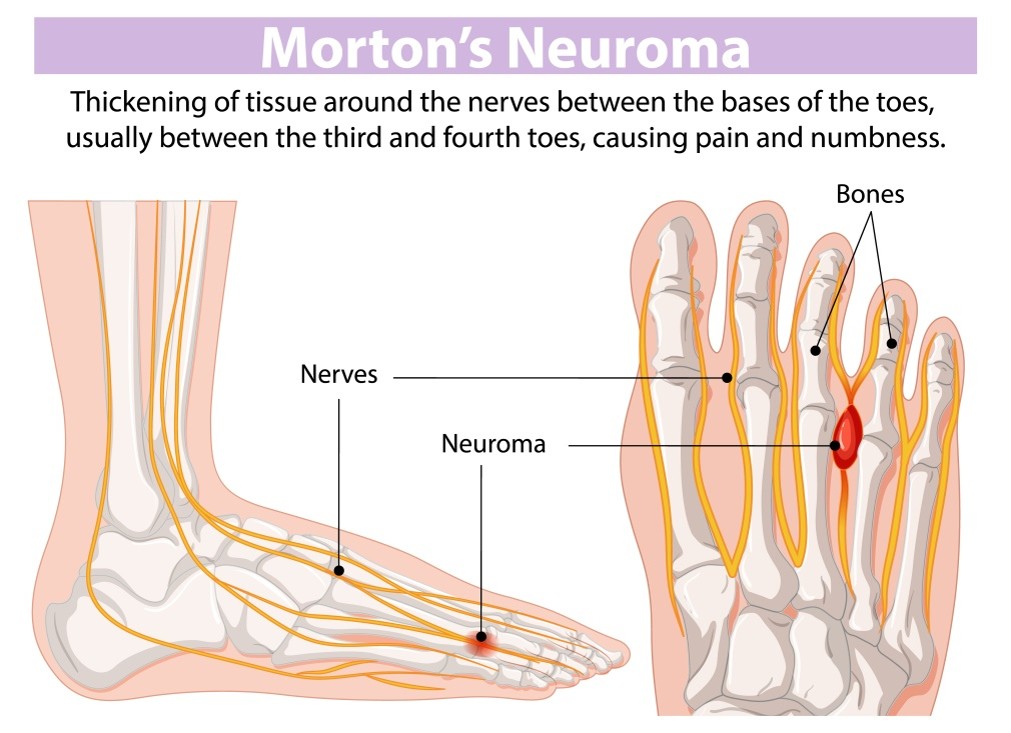
Common approaches include:
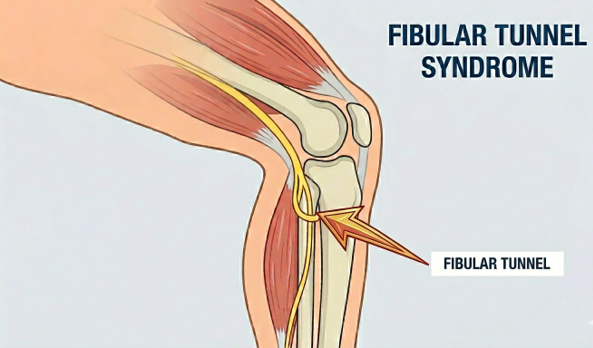
Yes, chiropractic care is generally safe for fibular nerve entrapment when performed by a trained professional. Chiropractors focus on helping reduce irritation around the fibular nerve, improving lower limb mobility and movement mechanics, and relieving muscle tension.