Last Updated: August 2026
More parents in Hong Kong are asking the same question after a school posture screening: what actually helps a curved spine, beyond simply “wait and see”? The Schroth Best Practice Method is one of the most researched answers to that question, and it’s the reason a growing number of scoliosis patients are turning to exercise-based correction before considering a brace or surgery.
The Schroth Best Practice Method is a specialized, three-dimensional exercise system designed to correct spinal curvature, improve posture, and slow or stabilize scoliosis progression. It works by teaching the body to actively correct its own alignment through specific breathing patterns, postural awareness, and curve-pattern-specific exercises — rather than relying on passive stretching or generic core strengthening.
This guide explains what the method actually involves, how it’s different from general Schroth training, how treatment decisions change between growing children and adults, and how to know if it’s the right approach for your spine.
What Is the Schroth Best Practice Method?
Schroth Best Practice® is an evidence-based evolution of the original Schroth Method, developed by Dr. Hans-Rudolf Weiss, the grandson of Katharina Schroth, during his time as director of the Katharina Schroth Clinic in Bad Sobernheim, Germany. It builds on the original Schroth principles while simplifying the exercises and reducing dependence on equipment, making treatment more practical for patients to sustain long-term.
Like other approaches within the wider Physiotherapeutic Scoliosis-Specific Exercises (PSSE) category, Schroth Best Practice is recognized by international scoliosis research bodies as an evidence-based conservative option for managing curve progression, alongside monitoring and bracing. The first research on its effectiveness was published in 2006, and the first randomized controlled trial followed in 2015.
How Does Schroth Best Practice Differ from General Schroth Training?
Schroth-based therapy isn’t a single, uniform method — several distinct schools have developed from the original technique Katharina Schroth created in 1921, each with its own emphasis. Not every therapist who says they teach “Schroth exercises” has trained in a specific, certified branch of the method.
Schroth Best Practice’s defining features are its classification system — the Augmented Lehnert-Schroth classification — used to categorize a patient’s exact curve pattern before building an exercise plan, and its focus on activities of daily living (ADL) integration: teaching patients to carry corrective posture into everyday movement, not just into a therapy session. It also favors high-amplitude, asymmetric exercises performed in upright positions, with an emphasis on patient education so patients become increasingly self-reliant over time. This patient-centered, classification-first approach is what separates a Schroth Best Practice–trained therapist from a general exercise plan that borrows individual Schroth-style movements without the underlying system behind them.
Why Does the Three-Dimensional Approach Matter for Scoliosis Correction?
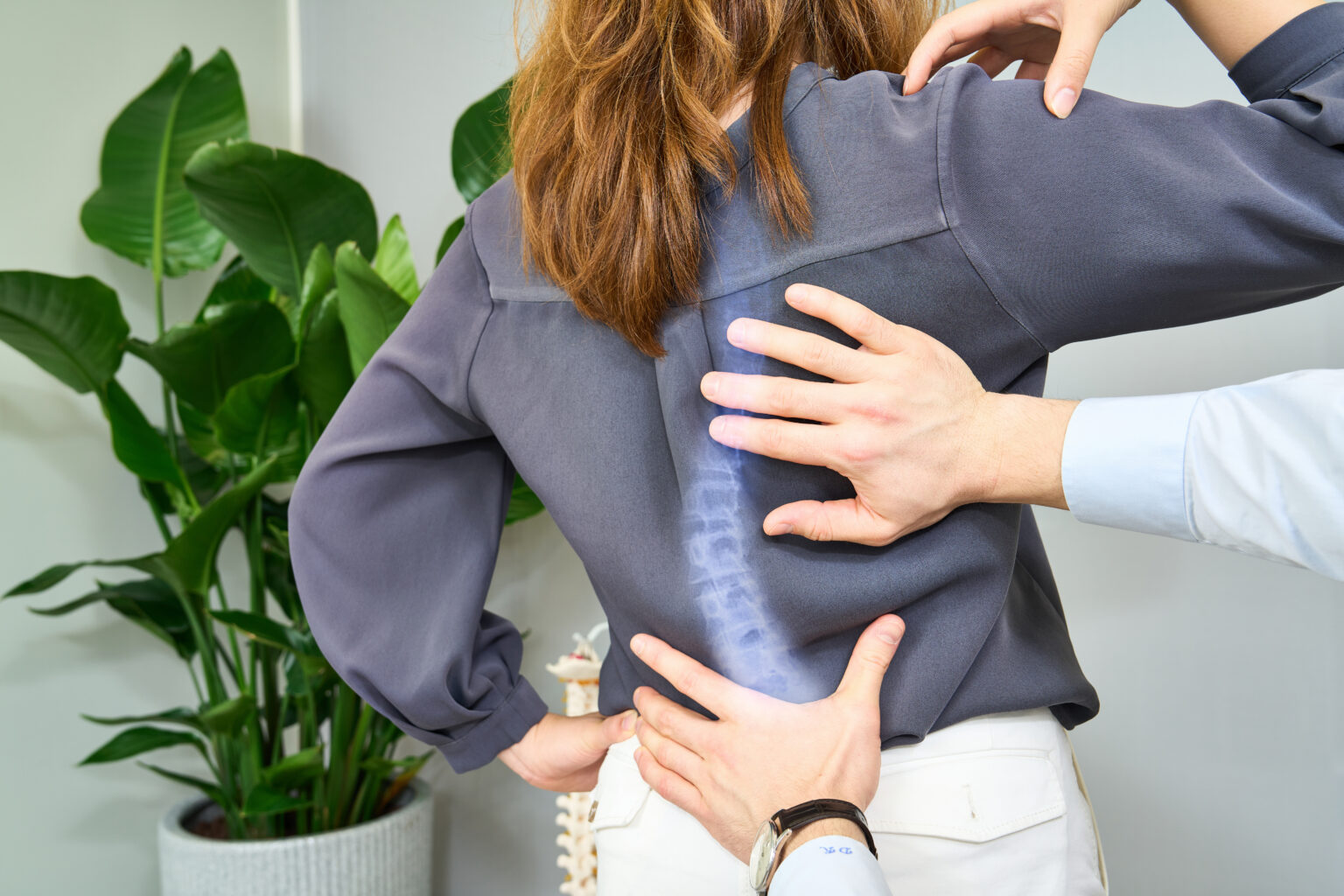
Scoliosis isn’t just a sideways curve — it’s a three-dimensional deformity that involves curvature, vertebral rotation, and a flattened rib cage or chest wall on one side. A treatment plan that only addresses the visible curve, without correcting rotation, tends to miss a large part of the problem.
The Schroth Best Practice Method treats all three dimensions simultaneously. Patients learn to actively rotate and elongate the spine into a corrected position, then hold that correction using specific breathing patterns that expand the collapsed side of the rib cage. This is what separates Schroth-based correction from general “core strengthening for scoliosis” advice.
Core Schroth Exercises for Scoliosis
Every Schroth-based exercise plan works toward the same core goals: elongation (lengthening the spine out of its curved position), de-rotation (rotating the trunk to counter the spinal rotation), and stabilization (using muscle activation to hold the corrected position). Within Schroth Best Practice specifically, these goals are pursued through:
- Curve-specific corrective positions — set according to the patient’s Augmented Lehnert-Schroth classification, so the exercise matches the exact curve pattern rather than a generic template
- High-amplitude, asymmetric movements performed upright — rather than the supine/prone positions used in some other Schroth-derived schools, reflecting the goal of training postural control in positions closer to daily life
- Rotational breathing — directing breath into the concave (collapsed) side of the rib cage while holding a corrected position, a technique that traces back to the original Schroth method and remains part of nearly every Schroth-derived school today
- Activities of daily living (ADL) integration — applying corrective posture to sitting, standing, and walking, so the correction isn’t limited to the therapy session
Not every exercise is appropriate for every curve type — a Schroth Best Practice assessment also identifies which general exercises should be avoided with scoliosis, since some common gym and yoga movements can aggravate certain curve patterns.
Schroth Breathing Technique
Rotational breathing directs air into the flattened side of the rib cage while the patient holds a corrected postural position, gradually helping expand rib mobility on that side. It’s one of the most recognizable features of Schroth-based therapy generally, and Schroth Best Practice continues to use it as part of its broader, classification-led exercise plan.
How Scoliosis Treatment Differs for Growing Children vs. Adults
Treatment decisions for scoliosis are not one-size-fits-all — they depend heavily on whether a patient is still growing. Following guidelines from the Scoliosis Research Society (SRS) and SOSORT, our clinic uses the following evidence-based framework.
Growing Children & Teenagers: Cobb Angle Guidelines
During a pubertal growth spurt, curve progression risk is highest and the spine is at its most flexible — which also means it responds best to bracing and exercise.
| Cobb Angle | Typical Recommendation |
|---|---|
| Below 15° | Monitoring only |
| 15°–20° | Option to begin scoliosis-specific exercises |
| Above 20° | Bracing strongly recommended, in conjunction with scoliosis-specific exercises |
| Above 45° (sometimes 50°) | Surgery generally indicated; some patients try bracing and exercise with close monitoring first |
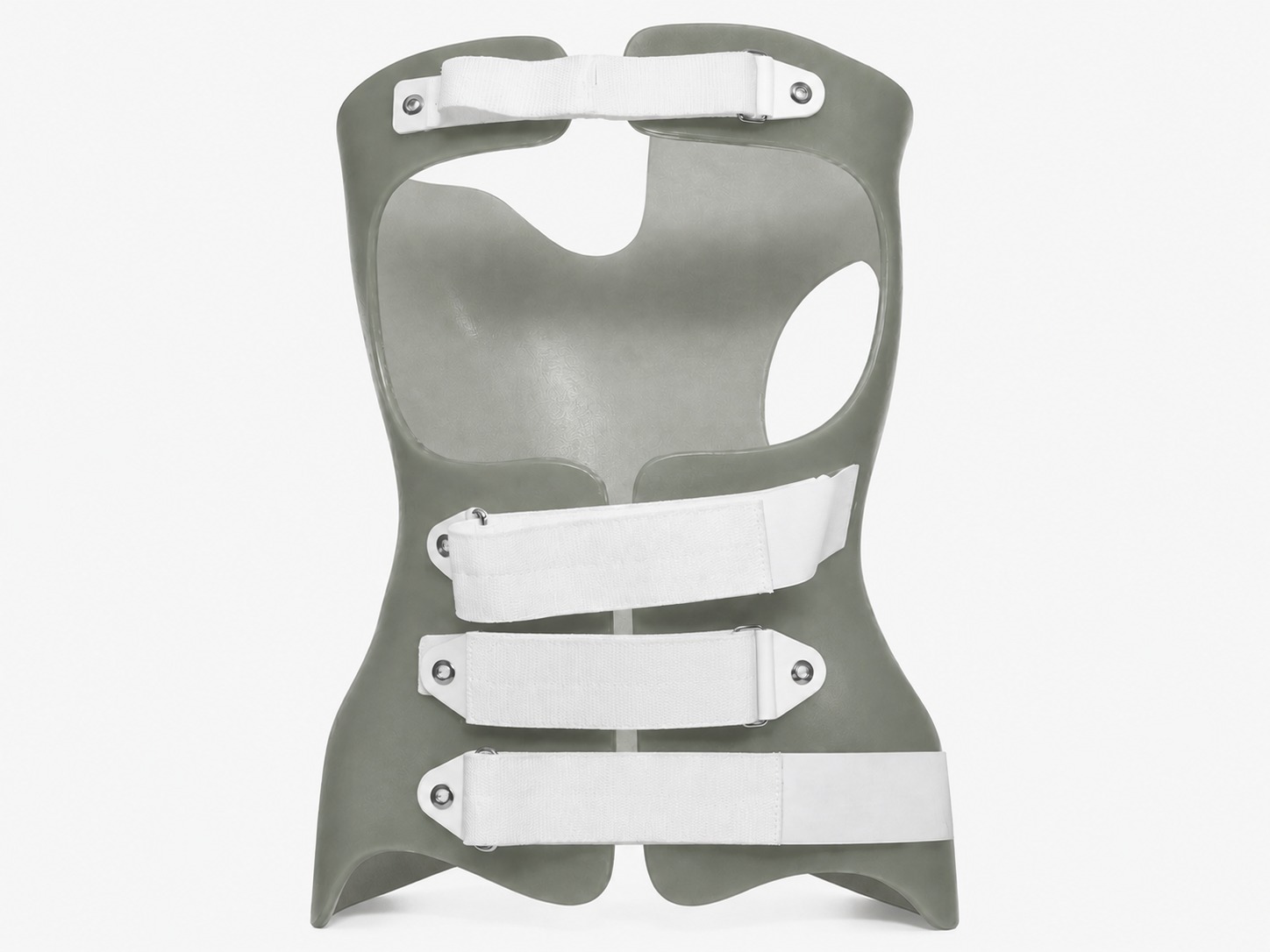
For growing patients, bracing can slow progression, stabilize the curve, and in some cases even improve it — an outcome that isn’t typically expected once skeletal growth is complete.
Adult Scoliosis: Cobb Angle Guidelines
For adults, the goals shift. The spine is no longer flexible in the way a growing spine is, so treatment focuses less on preventing progression and more on managing pain, imbalance, and quality of life.
| Cobb Angle | Progression Risk & Typical Approach |
|---|---|
| Below 30° | Progression risk is very low; scoliosis-specific exercises can still help with pain, imbalance, and aesthetics |
| 30°–50° | Progression risk is less predictable and tends to increase with curve size; close monitoring plus scoliosis-specific exercises are recommended — exercises help with pain, imbalance, and aesthetics, and may support curve stability, though this cannot be guaranteed |
| Above 50° | Progression can reach roughly 1° per year, which is clinically significant in adults; surgery is generally recommended |
Rigid bracing is generally not recommended for adult scoliosis, since a stiffer, fully-grown spine doesn’t respond to bracing the way a growing spine does, and long-term bracing can weaken supporting musculature. The exception is short-term use for significant sagittal imbalance — particularly in elderly patients — or for temporary pain relief. Scoliosis-specific exercises, by contrast, are indicated for adults at any curve size.
Is the Schroth Best Practice Method Right for You?
Yes, for most scoliosis patients — from adolescents in a growth spurt to adults managing a long-standing curve — Schroth-based exercise therapy is an appropriate first-line or supporting treatment. It’s most effective for curves that are mild to moderate, or as a complement to bracing in more advanced cases. Patients with very large curves approaching surgical thresholds should still consult a spine specialist directly, since exercise therapy works best as part of a coordinated treatment plan rather than a stand-alone alternative to surgery when surgery is clearly indicated.
Certified Schroth Therapy in Hong Kong: Meet Your Therapist
Several distinct schools have developed from the original Schroth method, and not every clinic offering “Schroth exercises” in Hong Kong has a therapist certified in a specific branch. At Agape Chiropractic, our therapist is certified in Schroth Best Practice — the classification-led approach developed by Dr. Hans-Rudolf Weiss — and applies it within a structured, curve-specific treatment plan for every patient, rather than a generic set of exercises.
If your child has recently had a school posture screening flag a possible curve, or you’re an adult managing long-term back pain related to scoliosis, working with a certified therapist from the start avoids months of generic exercises that don’t address your specific curve pattern.
常見問題
How long before Schroth exercises show results?
Timelines vary by patient, curve size, and how consistently exercises are practiced at home. Postural and pain-related changes are typically noticed before any measurable change in Cobb angle, since curve changes are only confirmed on follow-up X-rays taken at intervals set by your therapist. Ask your therapist for a timeline based on your specific case at your assessment.
Can adults benefit from the Schroth Best Practice Method, or is it only for teenagers?
Yes — adults can benefit from Schroth-based exercises at any curve size. While the goals differ from adolescent treatment (managing pain and stability rather than preventing progression), scoliosis-specific exercises remain indicated for adult patients of all curve types.
Is the Schroth method painful?
No. Schroth exercises are not designed to be painful. Some patients experience mild muscle fatigue after early sessions as the body learns new movement patterns, but the exercises themselves should not cause pain during or after a session.
Do I need a brace if I’m doing Schroth exercises?
Not necessarily. For growing patients with curves under 20°, exercises alone may be sufficient. Curves above 20° in growing patients generally combine bracing with scoliosis-specific exercises for the best outcome, based on SRS and SOSORT guidelines.
How is the Schroth Best Practice Method different from regular physiotherapy for scoliosis?
Regular physiotherapy often uses general core-strengthening exercises, while the Schroth Best Practice Method uses a curve-classification system and three-dimensional, scoliosis-specific movements — including rotational breathing — tailored to each patient’s exact curve pattern.
Where can I find a certified Schroth therapist in Hong Kong?
Agape Chiropractic in Hong Kong has a therapist certified in Schroth Best Practice, offering scoliosis assessment and curve-specific exercise therapy for both growing patients and adults.
Getting Started with Schroth-Based Scoliosis Care
The Schroth Best Practice Method offers something few scoliosis treatments do: an active, evidence-based way to work with your spine’s specific curve pattern, rather than a passive wait-and-monitor approach. Whether you’re a parent navigating a recent screening result or an adult managing a long-standing curve, the right first step is an assessment from a certified Schroth Best Practice therapist — not a generic exercise handout.
If you’re in Hong Kong and want to know whether Schroth-based exercise therapy fits your situation, book a scoliosis assessment with our certified therapist at Agape Chiropractic today.