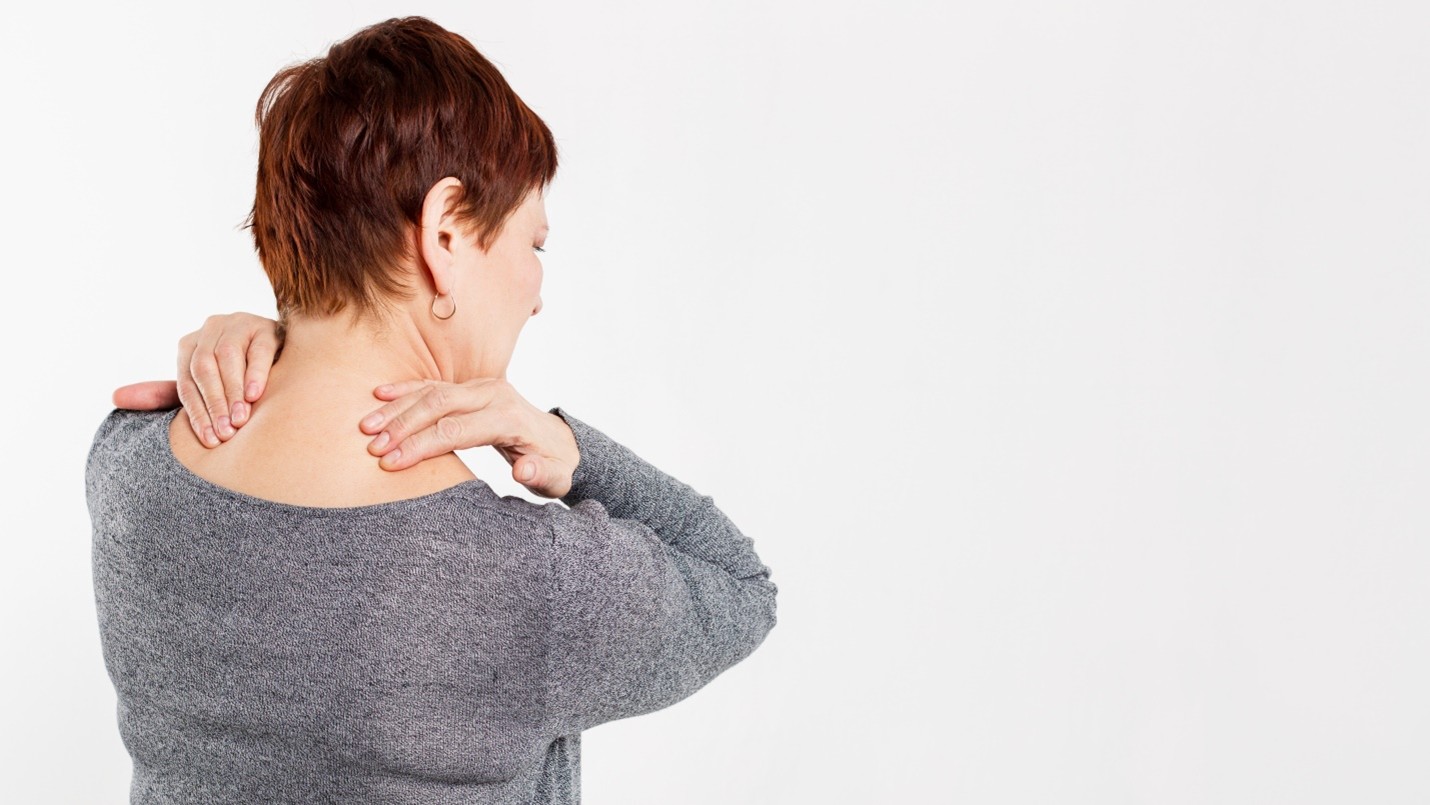
A buffalo hump, or dorsocervical fat pad, is an abnormal accumulation of fat at the top of the back, below the neck. It has a round, hump-like appearance. This condition can sometimes indicate an underlying health issue. Understanding the causes of a buffalo hump is crucial to addressing it effectively. Chiropractic treatments have emerged as a drug-free and non-invasive option for managing buffalo hump. In this blog post, we’ll explore both the causes of buffalo hump and the role of chiropractic care.
In short: a true buffalo hump is a build-up of fat, most often linked to excess cortisol, certain medications, or weight distribution. This underlying cause usually needs medical evaluation first. Chiropractic care can help with the postural and muscular changes that often come along with it, but it doesn’t reverse fat caused by hormones or medication.
什麼是富貴包?
The buffalo hump is a visible bulge of fat located at the upper back or the nape of the neck. In many cases, this condition is associated with hormonal imbalances, certain medications, and lifestyle factors. While the buffalo hump itself is not necessarily dangerous, it may be a symptom of a more serious underlying health issue. The most common causes of buffalo hump are medical conditions, but lifestyle factors can also play a role. Let’s explore the potential causes:
- 庫欣氏症候群(Cushing's Syndrome) — Cushing’s syndrome is one of the most common medical causes of this condition. It’s characterized by excessive cortisol production in the body. Cortisol, usually referred to as the “stress hormone,” plays an important role in immune response, metabolism, and stress regulation. An overproduction of cortisol can lead to fat redistribution, resulting in a buffalo hump.
- Long-Term Corticosteroid Medication Use — Long-term use of corticosteroid medications, such as prednisone or hydrocortisone, is one of the most common causes of a buffalo hump in practice. These medications treat conditions like asthma and arthritis, but they raise cortisol-like activity in the body, similar to Cushing’s syndrome. Anyone on long-term steroid treatment who notices this change should discuss it with their prescribing doctor, rather than adjusting the medication on their own.
- Certain HIV Medications — Some older medications used to treat HIV have been linked to a redistribution of body fat known as lipodystrophy, which can include a dorsocervical fat pad. This is a recognised medication side effect, not a reflection of someone’s general health. It’s worth discussing with the prescribing doctor if it develops.
- 肥胖 — Excess body weight can also contribute to a buffalo hump, especially with central obesity, where fat accumulates around the abdomen and upper back. This pattern is often linked to a sedentary lifestyle, low physical activity, and diet. When the body stores excess fat in the upper back and neck, it can lead to a noticeable hump.
- 荷爾蒙失衡 — Hormone imbalance, especially during menopause or other hormonal transitions, can contribute to a buffalo hump. Changes in estrogen levels can influence how and where fat accumulates in the body, including in the upper back.
- Genetic Factors — In rare cases, inherited conditions affecting fat metabolism can lead to unusual fat deposits around the neck, shoulders, and upper back. These cases are uncommon, but worth mentioning to a doctor if a hump appears without any other clear cause.
Is It a True Buffalo Hump or a Postural Neck Hump?
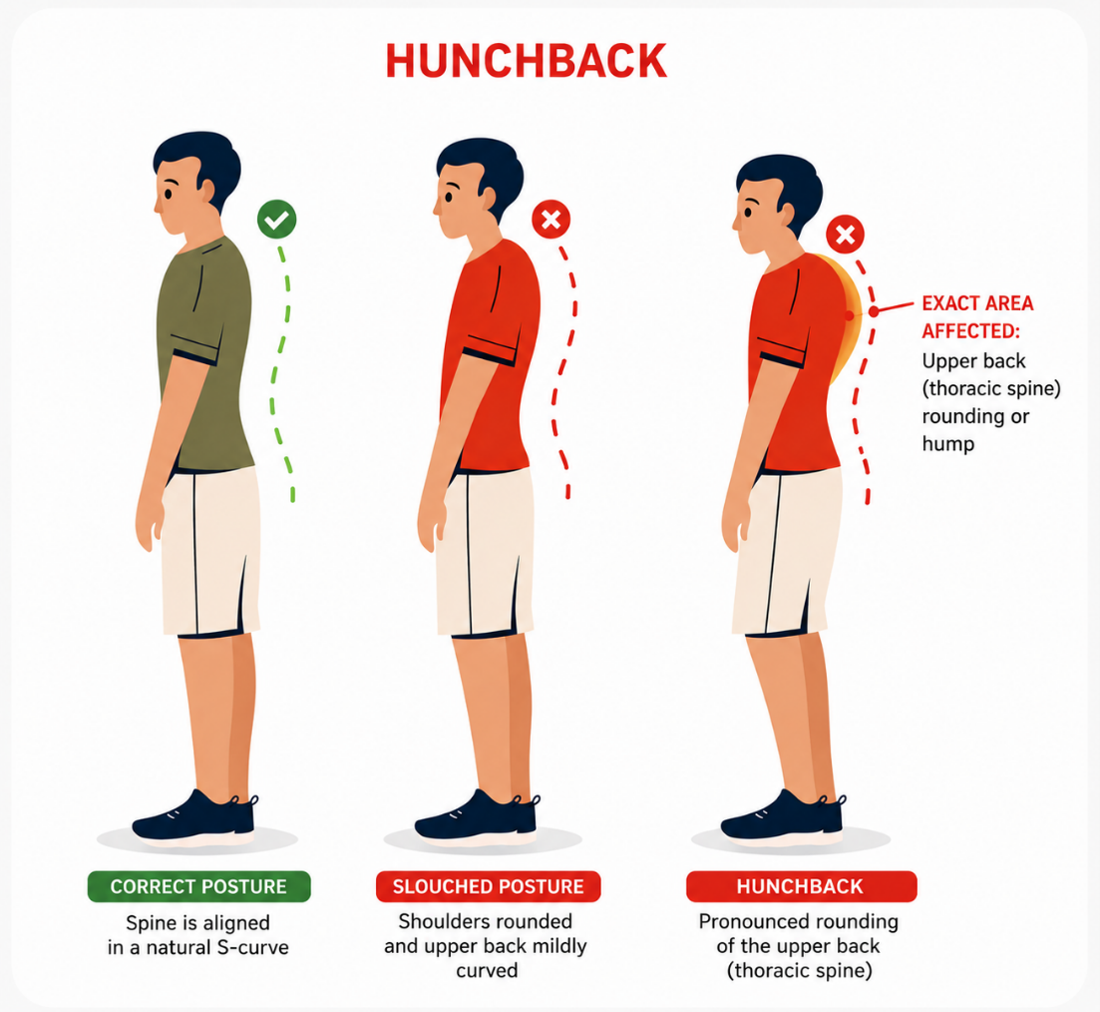
Not every hump at the base of the neck is a fat pad. A separate, more common condition, sometimes called a neck hump or dowager’s hump, comes from spinal curvature rather than fat. It often develops from poor posture, weak upper back muscles, spinal degeneration, or osteoporosis over time. It can look similar from a distance, but the underlying cause and treatment are quite different.
Chiropractic care is well suited to postural and spinal causes. If your hump is mainly related to posture, curvature, or spinal degeneration rather than fat, our dedicated guide on correcting a neck hump covers that condition specifically. This page focuses on buffalo hump in the stricter sense: the fat-pad type.
Who Is More Likely to Develop a Buffalo Hump?
A few factors raise the likelihood of developing a true buffalo hump. Anyone on long-term corticosteroid treatment for a chronic condition is at higher risk, as is anyone with an untreated hormonal disorder affecting cortisol. Central obesity, where weight is carried mainly around the abdomen and upper back, is another common factor. Age and menopause-related hormonal shifts can also play a role, and in rare cases, family history of fat metabolism disorders contributes as well.
When to See a Doctor
A buffalo hump on its own isn’t an emergency, but a few signs suggest it’s worth a prompt medical evaluation rather than home management alone:
- Unexplained weight gain, particularly around the face, abdomen, or upper back
- High blood pressure or blood sugar that’s difficult to control
- Easy bruising or purple stretch marks on the abdomen
- Muscle weakness, particularly in the arms and legs
- A hump that developed after starting a new medication
These can point to Cushing’s syndrome or another hormonal condition. That needs proper diagnosis and, often, medical treatment rather than chiropractic care alone.
富貴包的脊椎指壓治療
Chiropractic care doesn’t reverse fat caused by hormones or medication. It can, however, help with the postural and muscular changes that often accompany a hump, whatever the underlying cause. Treating upper back and neck stiffness, and helping correct posture and muscle tone, can help individuals with a buffalo hump. A 香港脊醫 is trained to assess and treat musculoskeletal and spinal issues. Their holistic approach may help identify and address the postural and structural factors that go along with a buffalo hump. Here are some ways chiropractic treatments can help:
- Poor posture is a significant contributor to how noticeable a hump appears. Chiropractors use posture correction methods, including stretches and exercises that strengthen the muscles supporting the spine and improve alignment.
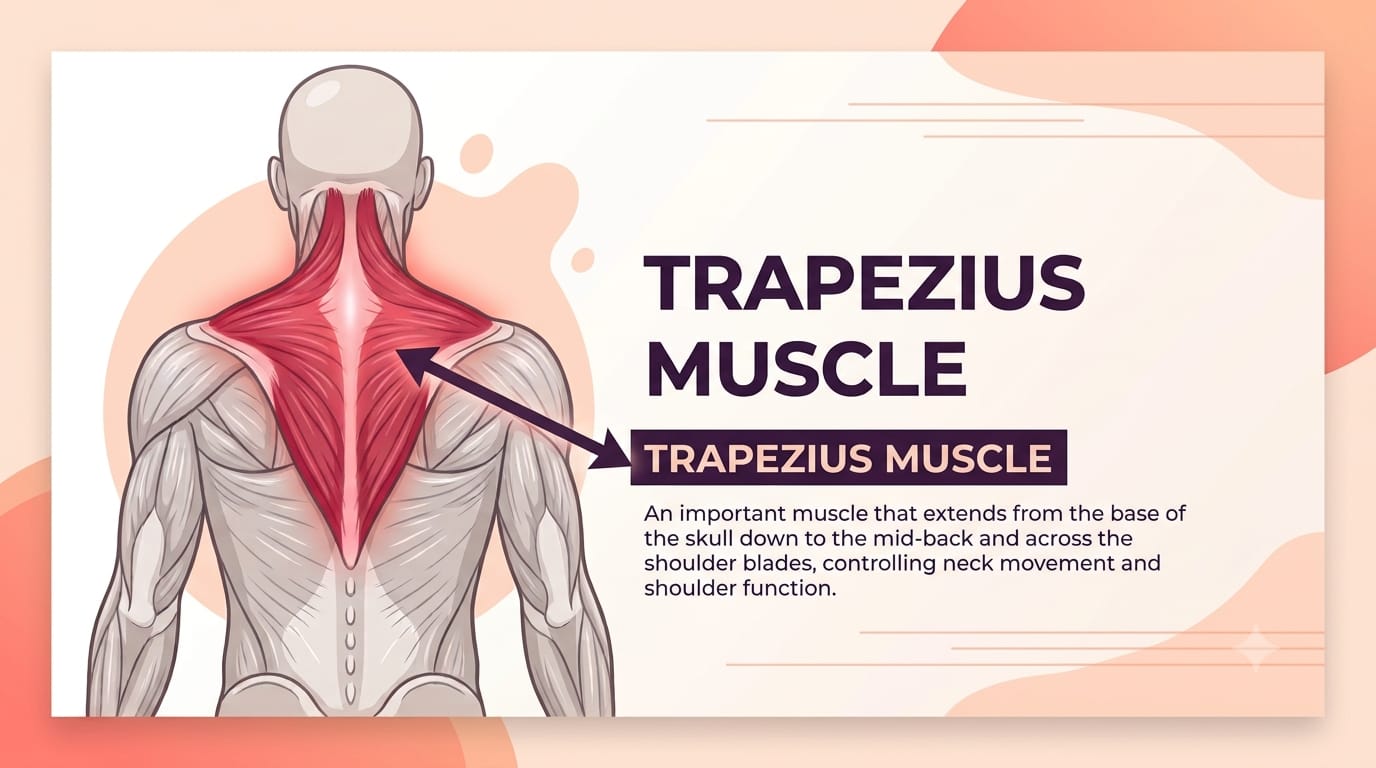
- Chiropractors use spinal manipulation therapy and myofascial release to help tight muscles in the upper back, neck, and shoulders. This may reduce discomfort and improve overall appearance.
- Chiropractors provide guidance on lifestyle changes to prevent further stress on the spine. Regular stretching, managing stress, and strengthening exercises can also support spinal health.
Lifestyle Habits That Support Treatment
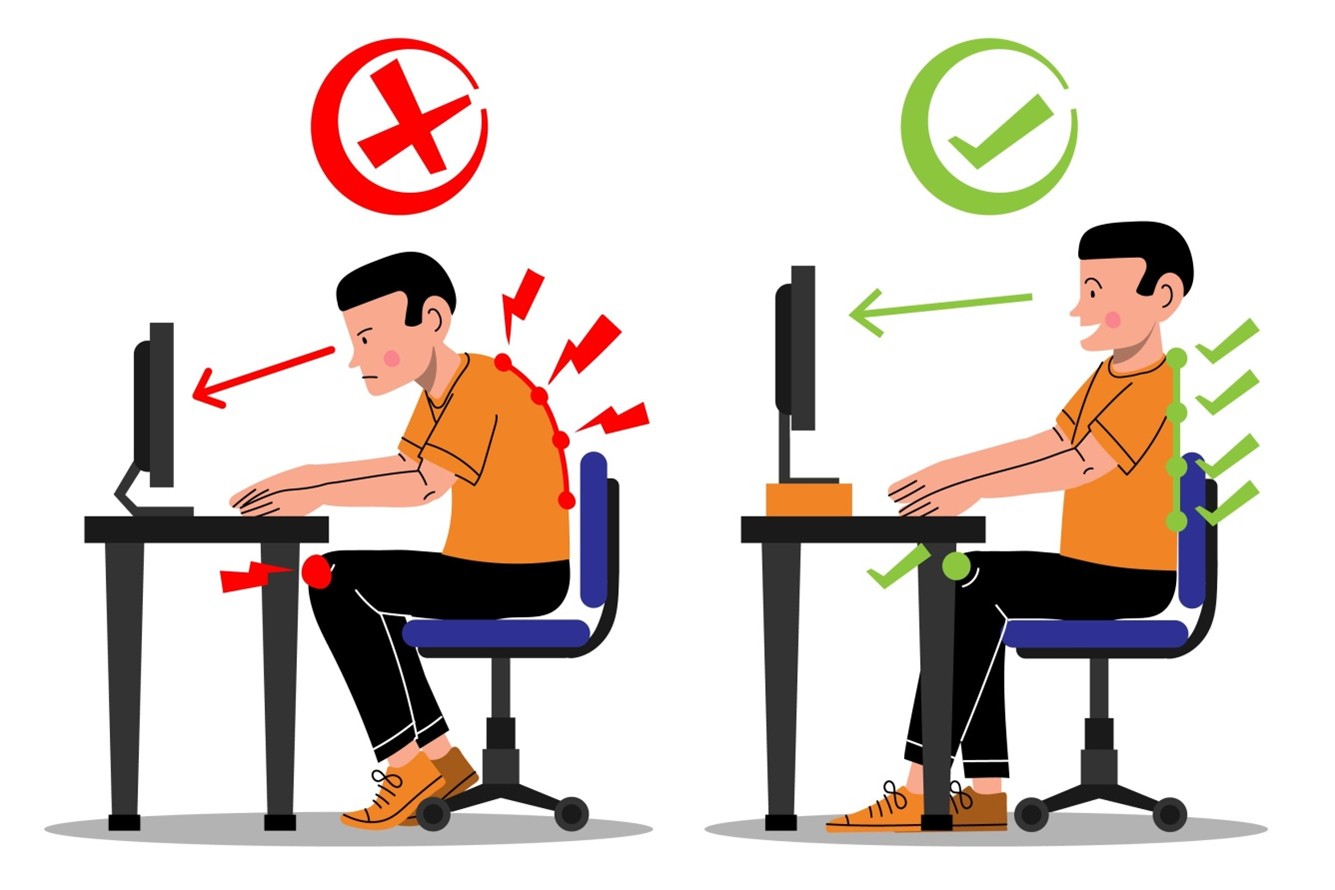
Alongside chiropractic care, a few daily habits can help, particularly when weight or posture play a role. Keep an eye on desk setup and screen height, since a slouched, forward-head posture over many hours makes any existing hump more noticeable. Regular movement breaks, gentle stretching of the chest and upper back, and strengthening exercises for the muscles between the shoulder blades all support better posture over time. Where obesity is a contributing factor, gradual, sustainable weight loss through diet and activity, ideally guided by a doctor or dietitian, tends to help more than any single treatment on its own.
What to Expect at Your First Visit
If you haven’t seen a chiropractor before, your first visit will include a conversation about your health history, including any medications you’re taking. This is followed by a physical assessment of your posture, spine, and upper back muscles. It is the same thorough process used for a 般首次脊醫診症, with particular attention paid to ruling out signs that point toward a medical rather than postural cause. From there, your chiropractor will explain what they think is contributing to your hump and outline a realistic treatment plan.
What Does Improvement Usually Look Like?
Where posture and muscle tension are the main contributors, many people notice gradual improvement in stiffness, mobility, and appearance over several weeks to months of consistent care and exercise. Where the underlying cause is hormonal or medication-related, chiropractic care can still help with comfort and posture. Visible change in the fat pad itself, though, depends on addressing that underlying cause first. That process is led by a physician, not a chiropractor, and timelines vary depending on the condition involved.
常見問題
Can a chiropractor get rid of a buffalo hump?
A chiropractor can help with the postural and muscular components of a hump, but they cannot reverse fat caused by hormones or medication. If Cushing’s syndrome or a medication side effect is the cause, that needs to be addressed medically first.
What is the difference between a buffalo hump and a dowager’s hump?
A buffalo hump is a build-up of fat, usually linked to hormones, medication, or weight. A dowager’s hump, or neck hump, comes from spinal curvature and posture rather than fat, even though the two can look similar.
Can losing weight get rid of a buffalo hump?
If the hump is related to obesity or general weight gain, losing weight can help reduce it. If it’s caused by Cushing’s syndrome or medication, weight loss alone usually won’t resolve it until the underlying cause is treated.
Should I stop my medication if it’s causing a buffalo hump?
No, don’t stop or change a prescribed medication on your own. Speak with the doctor who prescribed it. They can weigh the benefits of the medication against this side effect and adjust the plan if needed.
Is a buffalo hump permanent?
Not necessarily. If it’s caused by a treatable condition or a medication that can be adjusted, the fat pad often reduces once the underlying cause is addressed, though this can take time.
Can chiropractic care make a buffalo hump worse?
No, gentle chiropractic care aimed at posture and muscle tension is not expected to worsen a hump. That said, it isn’t a substitute for medical evaluation if a hormonal or medication-related cause hasn’t been ruled out.
How many chiropractic sessions does it usually take to notice a difference?
This varies from person to person, and depends heavily on what’s actually contributing to the hump. Postural cases often show some improvement in stiffness and mobility within a handful of sessions, while cases with a hormonal or weight-related component tend to need a longer, more gradual approach alongside any medical treatment.
Ready to Get Assessed?
From conditions like Cushing’s syndrome to medication side effects and posture, several factors can contribute to the development of this condition, and telling them apart matters for getting the right treatment. Agape Chiropractic Hong Kong doctors can provide a non-invasive and holistic approach to the postural and structural side of buffalo hump, while helping you understand when a medical evaluation is the right next step. If you’re dealing with a hump at the base of your neck, our team can assess you and point you in the right direction. You can reach us at 2777 3377 或透過 WhatsApp 留言與我們預約評估。