
Most ankle sprains and knee soreness from a hike settle down with a few days of rest and ice. What’s worth paying attention to is pain that isn’t improving, swelling that lingers, or a limp that hasn’t gone away — those are signs it’s worth getting properly assessed rather than waiting it out. The tricky part is that hiking injuries don’t always announce themselves clearly at first; a twinge on the trail can turn into stiffness the next morning that’s easy to dismiss as normal soreness when it’s actually something that needs attention.
Hiking is one of Hong Kong’s most popular weekend activities, and The Peak’s trails are some of the busiest in the city — walkable straight from Central, which also happens to be where our clinic is. An ankle sprain hiking in Hong Kong is one of the most common reasons people end up searching for a 香港中環脊醫 after a weekend on the trails. This guide walks through the injuries we see most often after a hike, how to tell whether you need to get checked, and what that actually involves.
The Injuries We See Most Often After a Hike
Lower limb injuries — ankles, knees, and hips — account for nearly half of all hiking-related incidents in Hong Kong. A few patterns come up again and again:
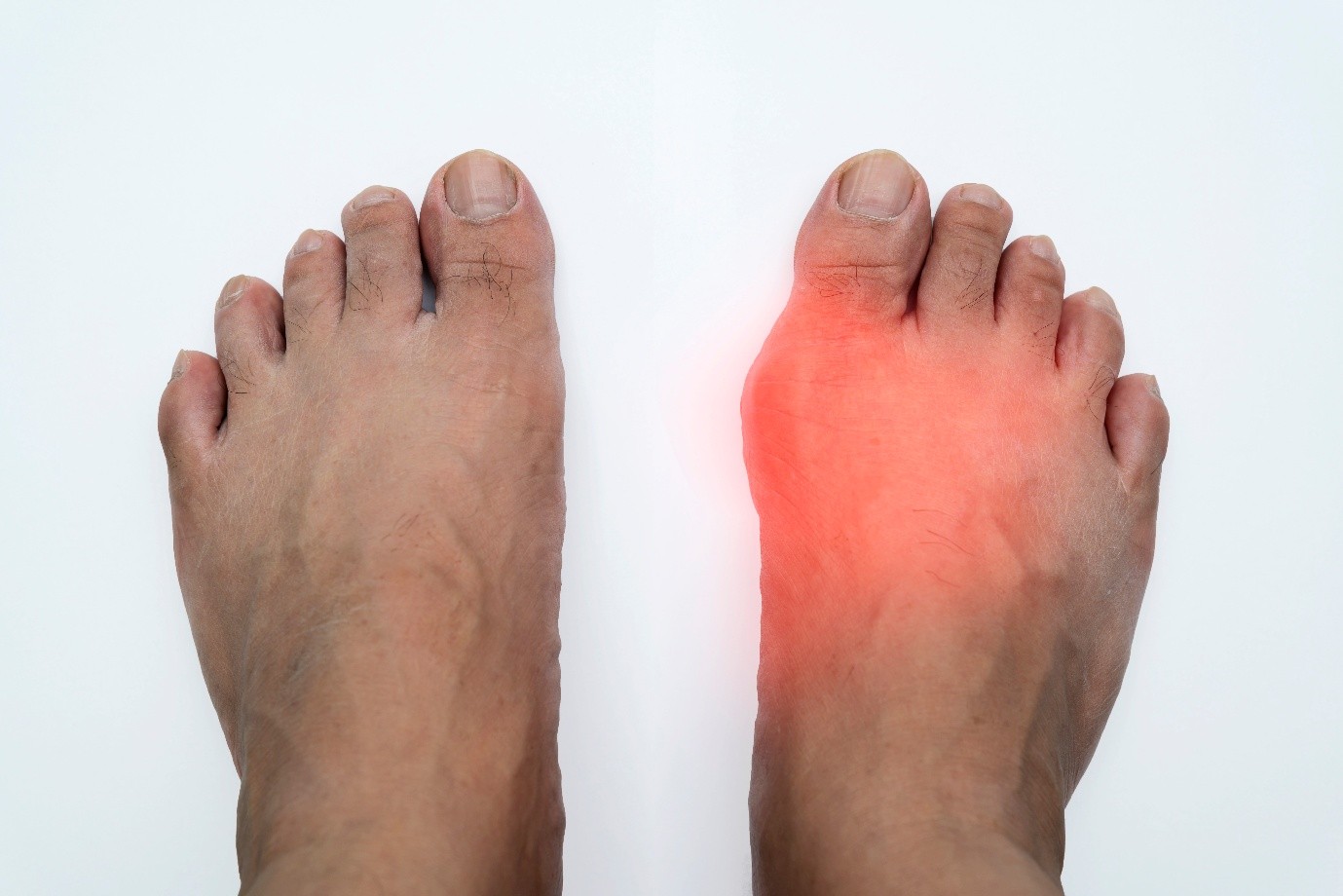
- Ankle sprains — the single most common hiking injury, usually from uneven steps or loose surfaces underfoot. A twisted ankle on a loose rock or an uneven step is the classic version of this. The ligaments on the outside of the ankle take most of the strain, which is why swelling and tenderness typically show up on the outer side of the foot rather than the inner side.
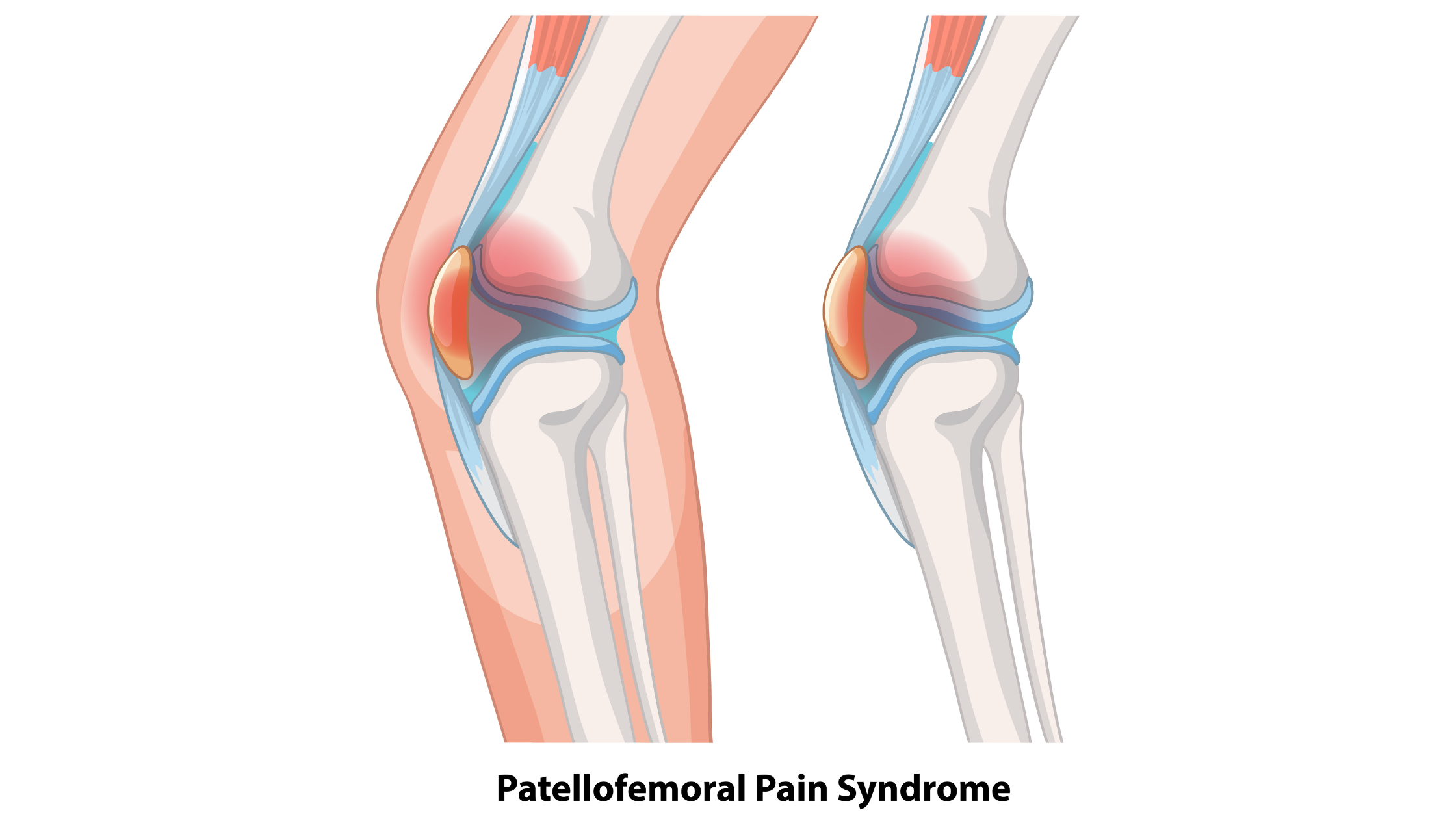
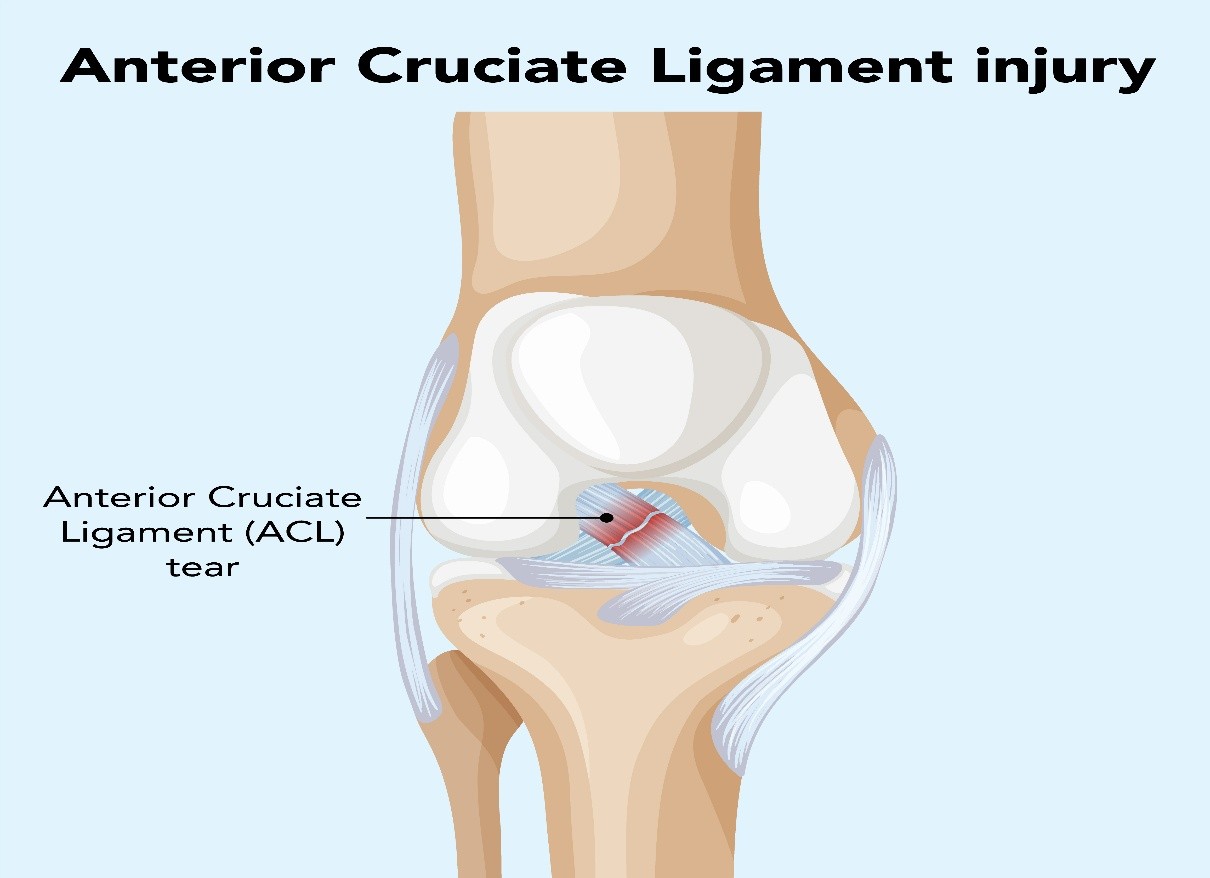
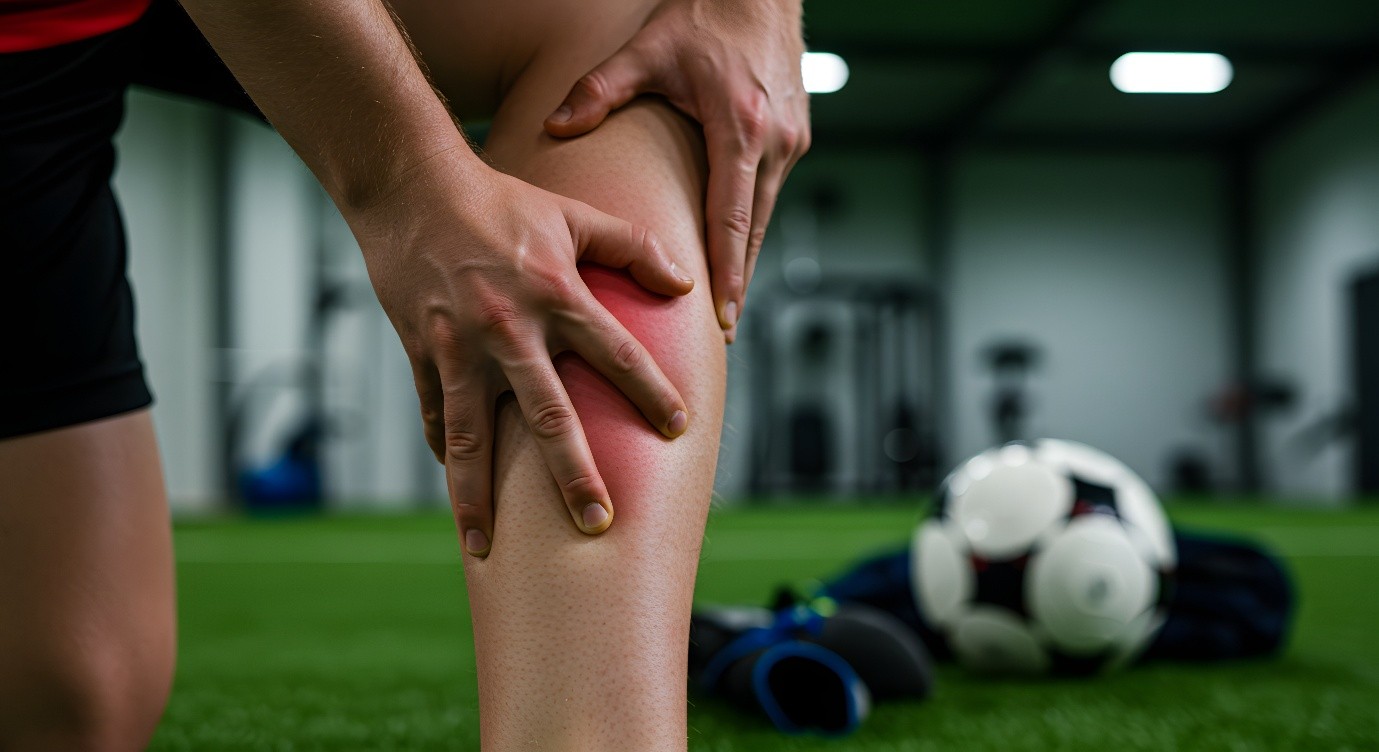
- Knee pain, especially on the way down — descents load the knee far more than climbing does, which is why a knee injury from hiking in Hong Kong often shows up after the hike, not during it. The quadriceps and the tissue around the kneecap absorb repeated impact with every downhill step, and that cumulative load is often what catches people off guard on longer descents like Mount High West.
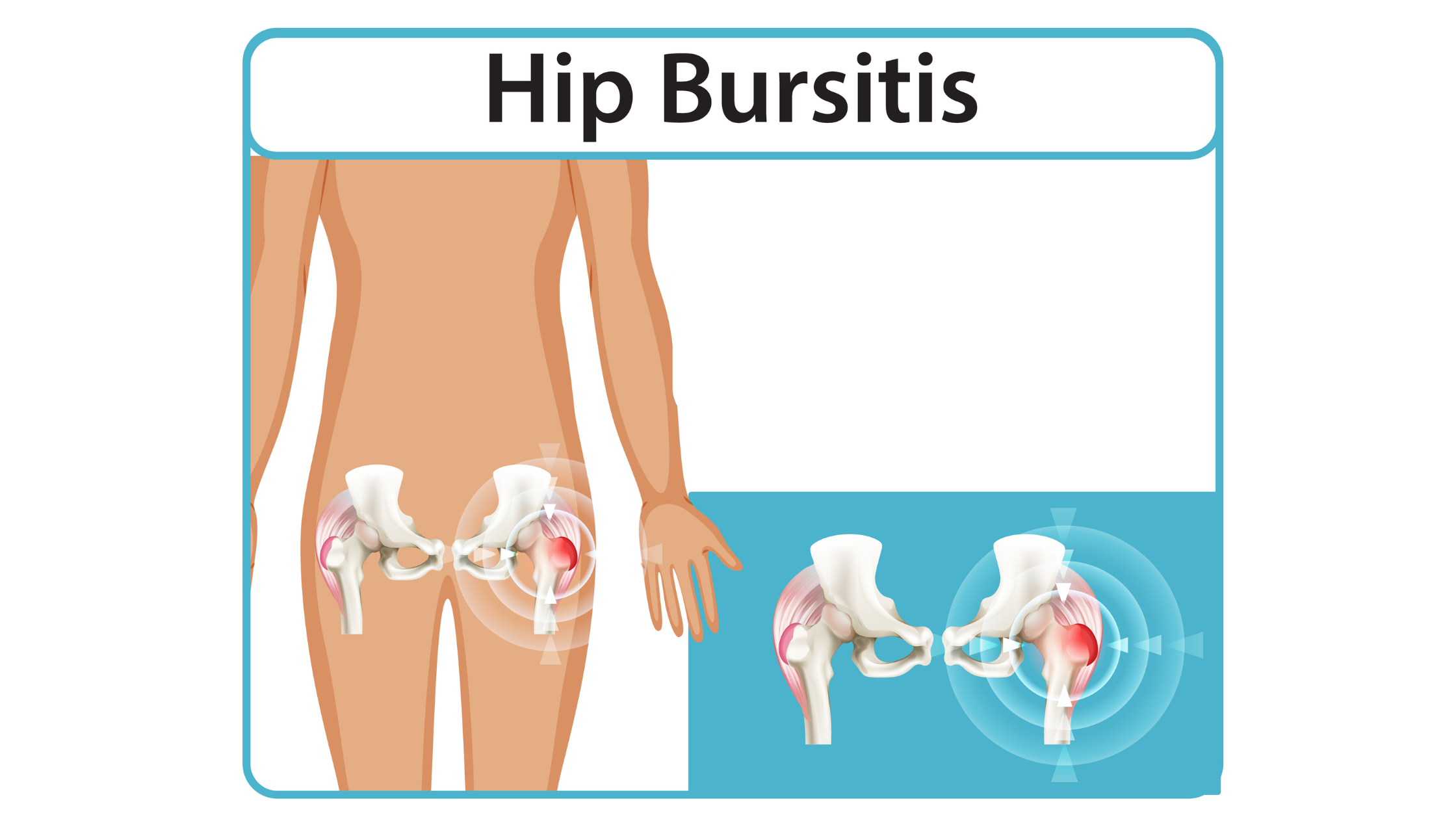
- Lower back and hip discomfort — often from an uneven gait compensating for an already-sore ankle or knee, or from a poorly adjusted daypack. A bag that sits too low or too loose shifts weight backward, which changes posture through an entire hike without most people noticing until afterward.
- Blisters and general muscle soreness — common and usually minor, not something that needs a chiropractor, but worth mentioning for completeness.
What to Do in the First 48 Hours
What happens right after a hiking injury often shapes how quickly it settles down. A few practical steps for the first day or two:
- Rest the area — this doesn’t mean total inactivity, but avoid pushing through pain or continuing to hike on a sore ankle or knee.
- Ice in short intervals — around 15-20 minutes at a time, particularly in the first 24 hours, helps manage swelling.
- Gentle compression — a supportive wrap can help with swelling, but shouldn’t be tight enough to cause numbness or tingling.
- Elevate when possible — keeping the ankle or knee raised above heart level for periods during the first day helps reduce swelling.
None of this replaces a proper assessment if the injury doesn’t improve, but it’s a reasonable starting point while you decide whether it’s settling on its own or needs a closer look.
Not All Peak Trails Carry the Same Risk
“The Peak” isn’t one single trail — it’s a network of routes with genuinely different terrain, and that difference matters for injury risk.
| Trail | Terrain | Relative Injury Risk |
|---|---|---|
| Peak Circle Walk (Lugard Road + Harlech Road) | Flat, paved, 3.5km | Low |
| Hatton Road (“The Morning Trail”) | Popular route from Sai Ying Pun/Kennedy Town, includes a steps option via Pinewood Battery | Moderate |
| Mount High West | Steep, hundreds of stairs, a rocky scramble near the summit | Higher, particularly on the descent |
The Peak Circle Walk is what most casual walkers and families use, and it’s about as low-risk as hiking in Hong Kong gets. Hatton Road sees a lot of regular runners and hikers, but the steps section catches people who aren’t used to sustained stairs. Mount High West is where we hear about most of the more significant ankle and knee injuries, especially from people descending faster than their legs are ready for.
Reducing Your Risk on Steeper Trails
A few practical adjustments make a real difference on routes like Hatton Road’s steps or the Mount High West scramble:
- Slow down on descents — most injuries happen going down, not up, so a deliberately slower pace on the way down matters more than pace on the climb.
- Trekking poles on steeper sections — they take some of the load off the knees and improve stability on loose or uneven surfaces, particularly useful on Mount High West’s rockier stretches.
- Proper hiking shoes with ankle support — running shoes or casual sneakers offer little protection against the kind of uneven footing found on Hatton Road’s steps or Mount High West.
- Know your own limits — Mount High West is a meaningfully harder route than the Peak Circle Walk, and choosing the right trail for your current fitness and experience prevents a lot of the injuries we see.
When to See a Chiropractor vs. When to Just Rest
This isn’t a substitute for a proper diagnosis, but it’s a reasonable starting point for deciding what to do next.
Likely fine to rest and monitor: mild soreness that improves day by day, minor stiffness, no visible swelling.
Worth getting checked: ankle pain or knee pain that hasn’t improved after several days, swelling that persists, a noticeable limp or change in how you’re walking, or pain that flares up again once you resume normal activity.
Get checked sooner rather than later: intense pain immediately after a fall or twist, visible swelling or bruising, or difficulty bearing weight comfortably.
One honest note: if there’s a suspected fracture or you genuinely can’t bear any weight on the injured leg, that needs urgent or hospital care first. Chiropractic care has a role afterward, once anything serious has been ruled out, not as a substitute for emergency treatment. If you’re ever genuinely unsure which category you fall into, it’s reasonable to get checked rather than guess — the cost of an unnecessary assessment is far lower than the cost of letting a real injury go untreated for weeks.
What Recovery Typically Looks Like
Recovery timelines vary by injury and severity, but a few general patterns are worth knowing so you have a realistic sense of what to expect.
A mild ankle sprain, where you can still bear weight and swelling is limited, often improves noticeably within one to two weeks with rest, ice, and gradual reloading. More significant sprains, particularly ones involving noticeable swelling, bruising, or difficulty walking, can take several weeks and benefit from a proper assessment early rather than waiting to see if it resolves on its own.
Knee pain from a hike, if it’s a straightforward case of overload from a long descent, tends to settle within a similar one-to-two-week window with rest and reduced activity. Knee pain that persists beyond that, especially if it’s affecting stairs or squatting in daily life, is a reasonable point to get assessed rather than continuing to hike through it.
Back and hip discomfort tied to gait compensation usually improves once the underlying ankle or knee issue is addressed, since the compensation pattern that caused it resolves alongside the original injury. This is part of why an assessment that looks at the whole picture, rather than just the most painful spot, tends to produce more complete recovery.
How Agape Approaches a Hiking-Related Injury
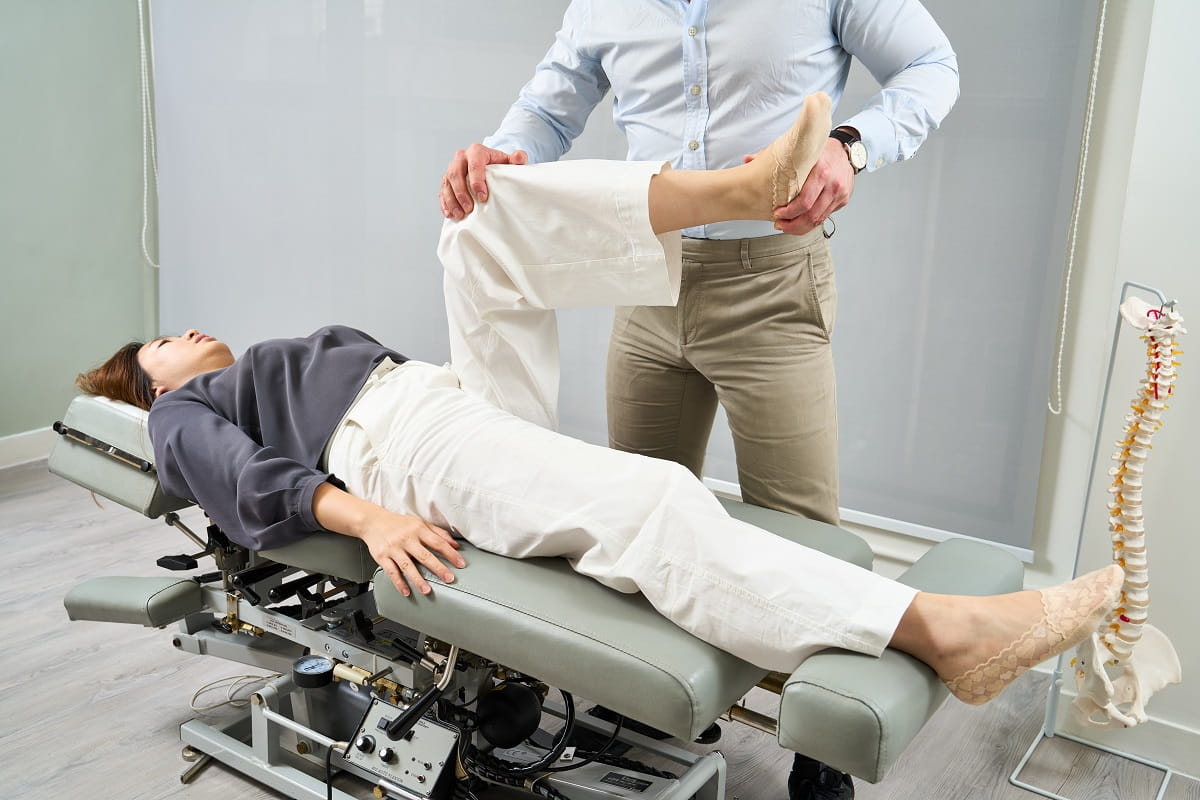
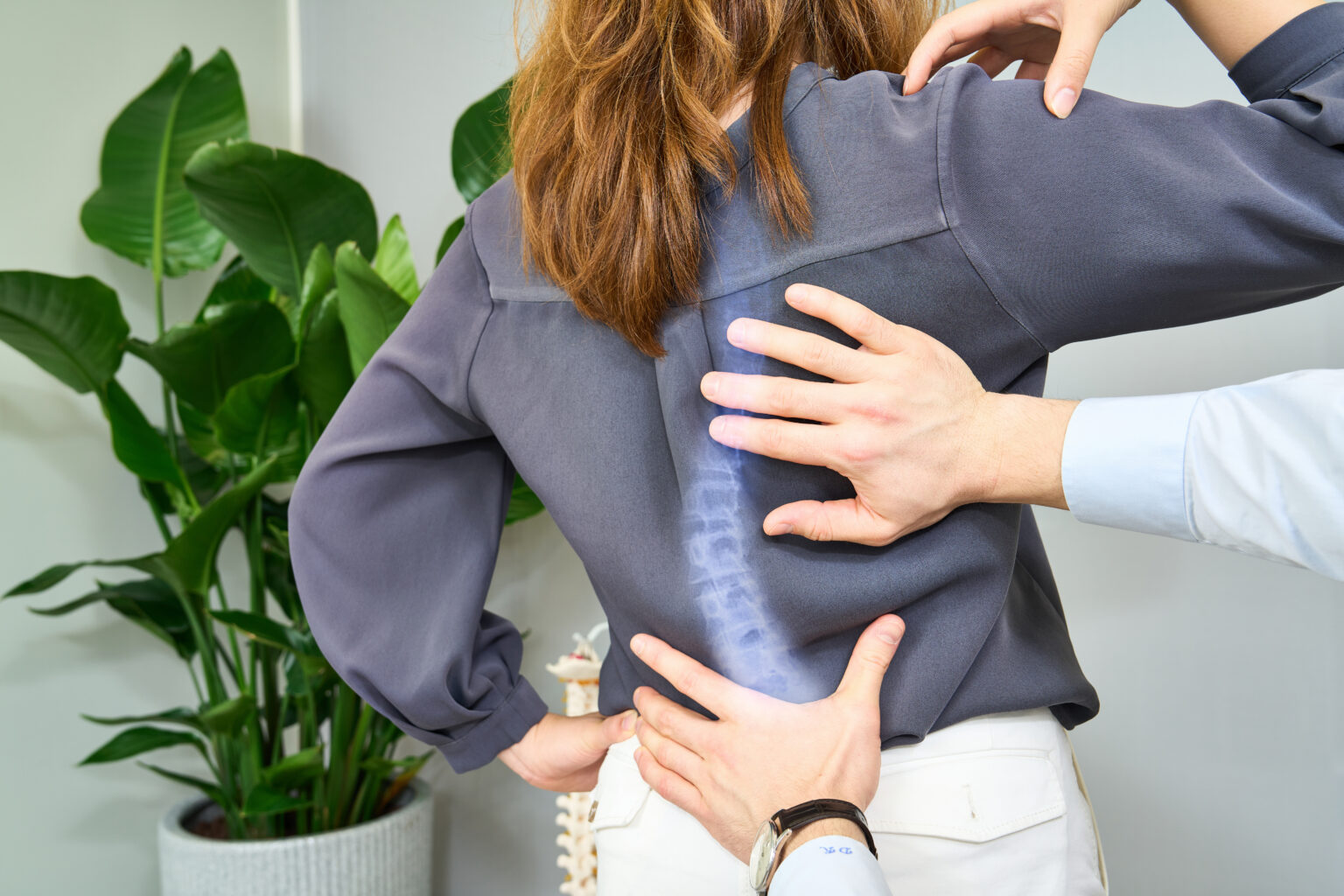
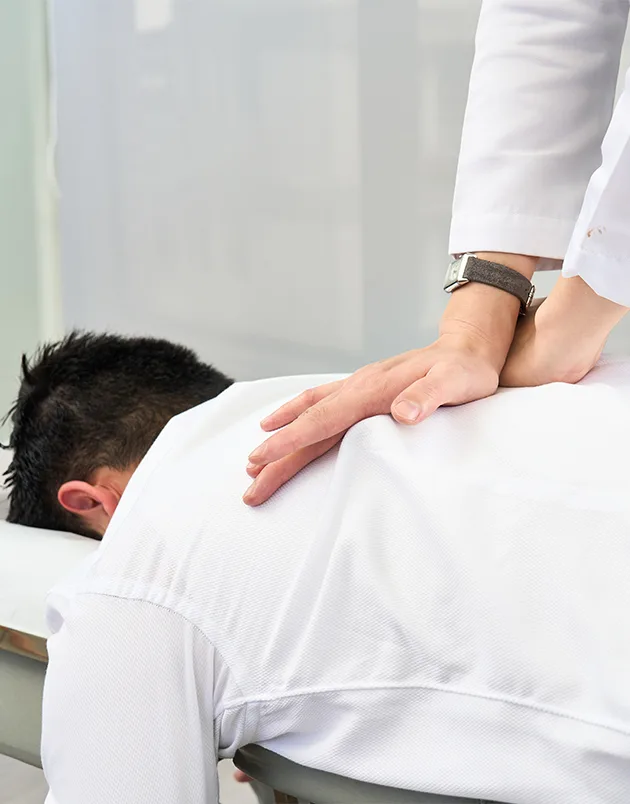
We start the same way we do with any first visit: a gait and movement assessment that looks at how the injury actually happened, not just where it hurts. From there, treatment depends on what’s found — commonly a spinal adjustment if there’s a back or hip compensation pattern, alongside ultrasound therapy or 衝擊波治療 to support soft tissue healing, and interferential current therapy where appropriate for pain and inflammation.
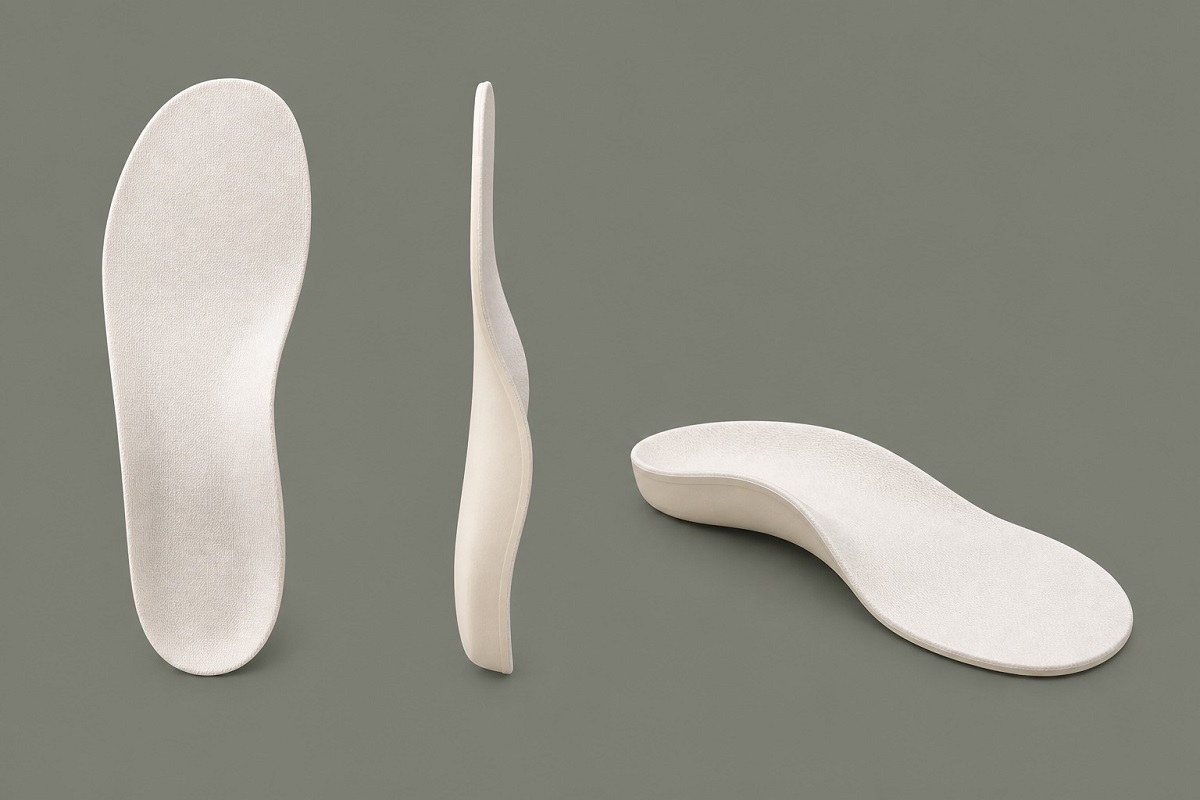
If footwear or gait mechanics played a role, particularly for anyone dealing with recurring ankle issues on uneven trail surfaces, custom foot orthotics are sometimes part of the longer-term plan. Rehab exercises and practical lifestyle advice round out most treatment plans, aimed at getting you back on the trail without the same injury repeating.
You can read more about what a first visit involves here — the same structure applies whether the injury happened on a hike or anywhere else. For most hiking-related injuries, a follow-up plan involves a small number of sessions spaced closer together at the start, with progress reassessed against the original findings rather than treatment continuing indefinitely by default.

常見問題
Should I see a chiropractor for a mild ankle sprain from hiking?
If it’s genuinely mild and improving day by day, rest and basic care at home is often enough. If it’s not improving after a few days, or swelling persists, it’s worth getting assessed.
Which Peak trail is safest for beginners?
The Peak Circle Walk (Lugard Road and Harlech Road) is flat, paved, and low-risk, making it a reasonable starting point for beginners or anyone easing back into hiking after an injury.
How long does knee pain after hiking usually last?
Mild cases often ease within a week or two with rest. Pain that persists beyond that, or that returns as soon as you resume hiking, is worth getting looked at rather than pushing through repeatedly.
Can hiking make an old back or knee injury worse?
It can, particularly on descents or uneven terrain, which place extra load on joints that may already be compensating for a previous injury. If you have a history of back or knee issues, it’s worth being especially attentive to how you feel during and after a hike.
Do I need an X-ray before seeing a chiropractor after a hiking injury?
Not necessarily. A chiropractor can assess the injury first and advise if imaging is needed. If there’s a suspected fracture or you can’t bear weight at all, that warrants urgent care first.
Should I keep hiking on Mount High West if I’ve had a previous ankle sprain?
It’s worth being cautious. Mount High West’s steeper, rockier terrain places more demand on ankle stability than gentler routes like the Peak Circle Walk, so a previous sprain that hasn’t fully recovered is more likely to be aggravated there.
Are trekking poles actually worth using on Peak trails?
For steeper sections like Hatton Road’s steps or Mount High West, yes — they reduce load on the knees during descents and improve stability on uneven ground, which are exactly the conditions where we see the most injuries.
Dealing With a Hiking Injury?
If a recent hike has left you with an ankle, knee, or back that isn’t settling down the way you’d expect, an assessment is a more reliable next step than waiting it out and hoping it resolves on its own. Getting it looked at early, rather than a few weeks into ignoring it, generally means a simpler recovery either way. You can reach us at 2777 3377 to 預約 at Unit A, 8/F, World Trust Tower, 50 Stanley Street, Central — a short walk from the Peak trails themselves.