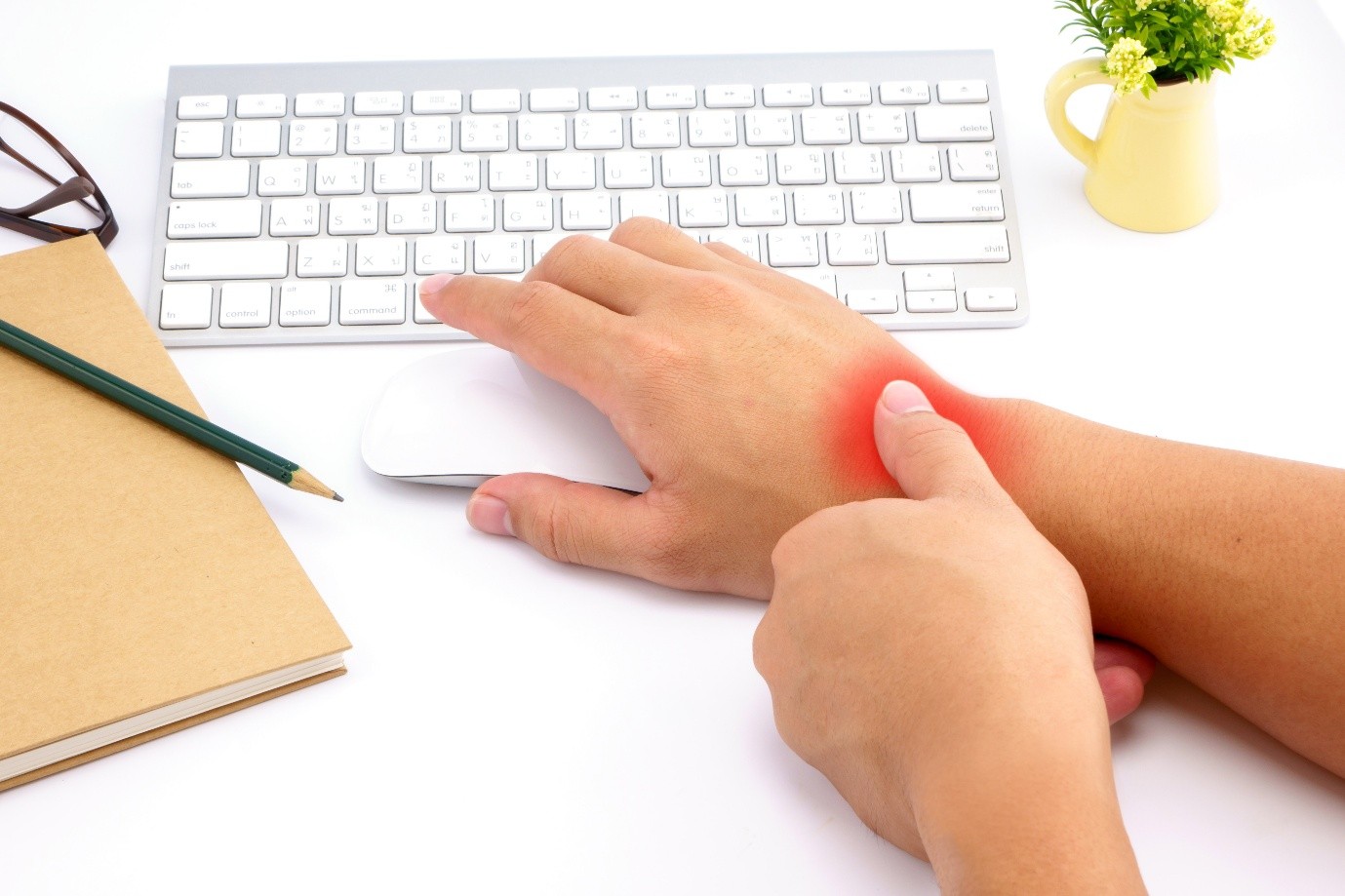

Trigger finger or stenosing tenosynovitis is a common injury that can be caused by repeated hand movements. It occurs when a finger gets stuck in a bent position and then suddenly straightens with a snap or pop when attempting to move it. This condition is caused by irritation or swelling in the finger. As the tendon moves back and forth through a small tunnel, the movement can result in more irritation. Over time, the tendon can develop small lumps or become thicker, and the sheath can also thicken. It can make it difficult for the tendon to slide through the small tunnel ( pulley), causing the finger to catch or lock. If you are struggling with trigger finger or other wrist and hand conditions, including hand or finger numbness or pain, you could consider consulting a chiropractor. Chiropractic care is a non-invasive way of treating such types of conditions in the spine, but also in the upper and lower limbs. Continue reading this blog to learn more about chiropractic care for trigger fingers.
What are the Symptoms of Trigger Finger?
Individuals with a trigger finger may notice discomfort and problems moving their finger normally. The symptoms can range from mild to severe and may get worse over time, especially with repeated hand use. Here are the common signs of trigger finger:
- You may experience pain or tenderness at the base of the affected finger, especially when pressed.
- Swelling or a small bump (nodule) can be noticed at the base of the finger.
- Stiffness or locking of the finger in a bent position, often worse in the morning.
- Popping or clicking feeling when bending or straightening the finger.
- Difficulty straightening the finger or closing the hand into a fist.
What are the Causes of Trigger Finger?
A trigger finger can develop due to a variety of factors that put pressure on the tendons in the hand. These factors may result in irritation, swelling, or thickening of the tendon and its surrounding sheath, which interferes with smooth movement. Here are the common causes of trigger finger:
- Repetitive finger movements: Frequent gripping, typing, playing instruments, or using tools overworking the fingers’ tendons.
- Hand injuries: Trauma like sprains or fractures can increase the risk of tendon problems.
- Long-term inflammation: Conditions such as arthritis or tendinitis can cause swelling around the tendons.
- Diabetes: People with diabetes are more likely to develop trigger fingers.
- Aging: Tendons can lose flexibility with age, making older adults more vulnerable to trigger fingers.
How Chiropractic Care Can Help with Trigger Finger?
A Chiropractor 香港 clinic, can offer a gentle, drug-free way to deal with trigger finger and reduce hand pain. We at Agape Chiropractic Hong Kong focus on healing the affected area, improving movement, and preventing future problems. Here are some common treatment methods used by chiropractors:
- Shockwave Therapy (ESWT): This treatment uses pulses of energy to stimulate healing in the affected finger. It helps alleviate swelling, ease pain, and improve finger movement.
- Finger Braces or Splints: A chiropractor may suggest wearing a brace to keep the finger still and properly aligned. This can help alleviate strain on the tendon and support healing.
- Rehabilitation Exercises: Targeted stretches and strengthening exercises can improve finger strength, increase flexibility, and support overall hand function. These exercises also help reduce the chance of the trigger finger coming back.
Chiropractic care offers a personalized plan to ease pain and improve hand movement without surgery or medication. You can consider visiting a chiropractor if you are dealing with diverse symptoms in your hands, for example if you are wondering:
- How to deal with a trigger finger?
- How to relieve numb hands?
- What are the causes of hand numbness or trigger finger?
Trigger Finger vs. Trigger Thumb: What’s the Difference?
Trigger thumb is essentially the same condition as trigger finger, just affecting the thumb instead of one of the other fingers. Both happen for the same underlying reason: the flexor tendon becomes irritated or thickened and struggles to glide smoothly through its pulley.
The main practical difference is how it affects daily function. Because the thumb is involved in nearly every gripping motion, trigger thumb tends to interfere with everyday tasks like turning keys, holding a phone, or buttoning a shirt more noticeably than trigger finger does. Diagnosis and treatment follow the same approach in both cases, and the chiropractic methods described above apply equally whether it’s a finger or the thumb that’s affected.
What Happens If Trigger Finger Is Left Untreated?
Mild cases sometimes settle down on their own with rest and reduced strain on the hand. Left unaddressed for longer periods, though, the finger can become increasingly difficult to straighten, and in more advanced cases it may lock in a bent position permanently, sometimes requiring the other hand to help unbend it.
The tendon thickening involved in trigger finger tends to progress gradually rather than resolve by itself once it reaches a certain point, which is why earlier evaluation generally leads to a wider range of treatment options and a more straightforward recovery than waiting until the finger is locking frequently or painfully.
Gentle Exercises That May Help Between Visits
Alongside professional treatment, some patients find gentle home exercises helpful for maintaining flexibility and easing mild stiffness. These are general self-care measures, not a substitute for a proper assessment if symptoms are persistent or worsening.
- Tendon glide stretches: Slowly move the affected finger through a full fist, a hook fist, and a straight-finger position, holding each briefly before moving to the next.
- Passive stretching: Using the other hand, gently and slowly straighten the affected finger to its comfortable limit, without forcing through pain.
- Warm-up before use: A short warm-up, such as gently massaging the palm and base of the finger, before repetitive hand tasks can reduce stiffness.
Stop any exercise that causes sharp pain, and check with a professional before continuing if discomfort persists beyond mild stretching sensation.
How Long Does Trigger Finger Take to Recover?
Recovery time varies depending on how long the condition has been present and how severe it is at the time of assessment. Mild, early-stage cases often respond within a few weeks of consistent care, particularly when combined with rest from the repetitive movement that’s contributing to it. More established cases, where locking is frequent or the finger is difficult to straighten, generally take longer and may need a more extended course of treatment before noticeable improvement.
Consistency matters more than intensity here — sticking with a treatment and home-exercise routine tends to produce steadier progress than sporadic effort.
Conclusion
Chiropractors at Agape Chiropractic Hong Kong can help manage a trigger finger through non-invasive treatments like shockwave therapy, bracing, and rehab exercises. These methods reduce pain, improve finger movement, and support long-term recovery without the need for medication or surgery.
Frequently Asked Questions
Can a chiropractor help with trigger finger?
Yes. Chiropractic care can help manage trigger finger through non-invasive approaches such as shockwave therapy, bracing or splinting, and targeted rehabilitation exercises, aimed at reducing inflammation and restoring normal finger movement.
Can a chiropractor help with trigger thumb?
Yes, trigger thumb is treated using the same general approach as trigger finger, since it’s the same underlying tendon condition affecting the thumb instead of a finger.
What happens if trigger finger is not treated?
Without any care, symptoms can gradually worsen, and in more advanced cases the finger may lock in a bent position more frequently or permanently. Earlier evaluation generally allows for more treatment options.
Does trigger finger need surgery?
Not always. Many cases are managed successfully with non-surgical approaches like the ones described above. Surgical release is generally considered when conservative treatment hasn’t provided sufficient relief, and that decision would typically involve a hand specialist.
How long does trigger finger take to heal?
This depends on severity. Mild, early cases often improve within a few weeks of consistent care, while more advanced cases with frequent locking usually take longer.
Other Useful Links: