
If you’ve never seen a chiropractor before, the uncertainty is often worse than the appointment itself. Will they crack your back without warning? Is it going to hurt? What if you’re asked something you don’t know the answer to? These questions keep more people from booking than the actual pain they’re dealing with. A first chiropractic visit in Hong Kong typically involves a health history review, a physical assessment of your posture and movement, a diagnosis explained in plain language, and, in most cases, some treatment on the same day. The full appointment usually takes around 45 to 60 minutes. That first hour matters more than any single adjustment. It’s where a chiropractor separates a genuine musculoskeletal cause from something that needs a different specialist entirely, and where a treatment plan gets built around your actual condition rather than a generic protocol. Understanding what happens at each stage takes most of the anxiety out of walking through the door.
Before You Book: What to Bring
You don’t need a referral to see a chiropractor in Hong Kong. Anyone can book directly, whether it’s your first time or you’re switching clinics. A few things are worth bringing along, though none are strictly required:
- Any prior imaging you have — X-rays, MRI, or ultrasound reports, even if they’re a few years old
- A list of current medications, particularly anything for pain or inflammation
- Details of previous injuries or surgeries relevant to the area bothering you
- Your insurance card, if you plan to submit a claim afterward
If you don’t have any of this, don’t let it stop you from booking. Most first visits start from a blank slate anyway — the intake conversation covers most of what’s needed. If you don’t have recent imaging on hand, ask the clinic about an MRI scan referral before your visit so your chiropractor has a complete picture from day one. If you’re nervous specifically about pain or being pushed into treatment you’re unsure about, it helps to just say so out loud at the start of the appointment. A first visit is diagnostic as much as it is hands-on, and a chiropractor working from an accurate history is far less likely to surprise you with anything you weren’t expecting.
Step 1: Health History and Intake
The visit starts with a conversation, not a table. You’ll typically be asked about when the pain started, what makes it better or worse, your general activity level, and any relevant medical history. In practice, this is where a chiropractor is listening for patterns rather than just symptoms. A dull ache that’s worse in the morning points somewhere different than sharp pain triggered by a specific movement. The questions might feel repetitive if you’ve already explained your problem when booking, but the detail matters — a five-minute conversation here often shapes the entire assessment that follows. All information shared during this stage is kept confidential, the same as with any healthcare provider.
Step 2: Physical and Postural Assessment
This is the hands-on part most people picture, though it looks less dramatic than expected. A chiropractor will typically check:
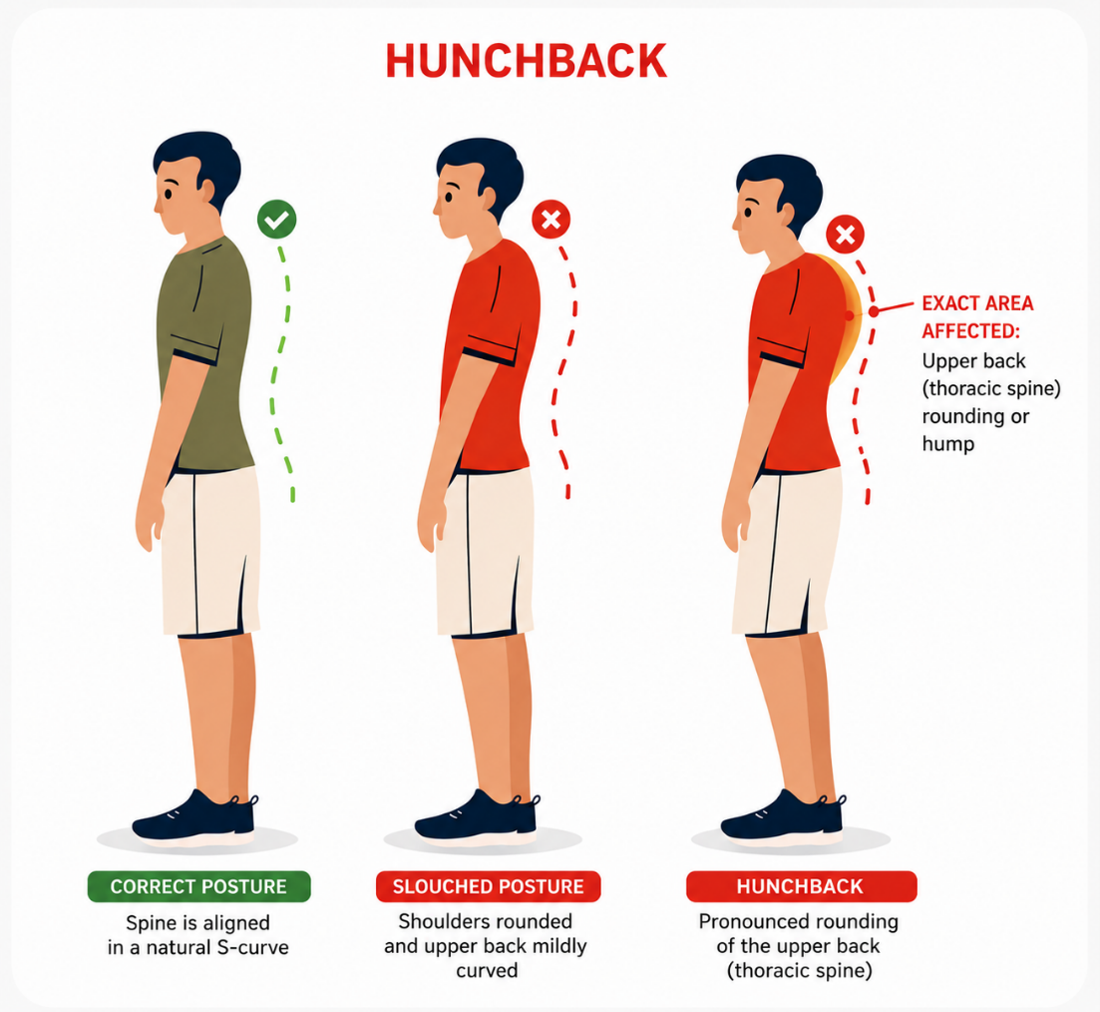
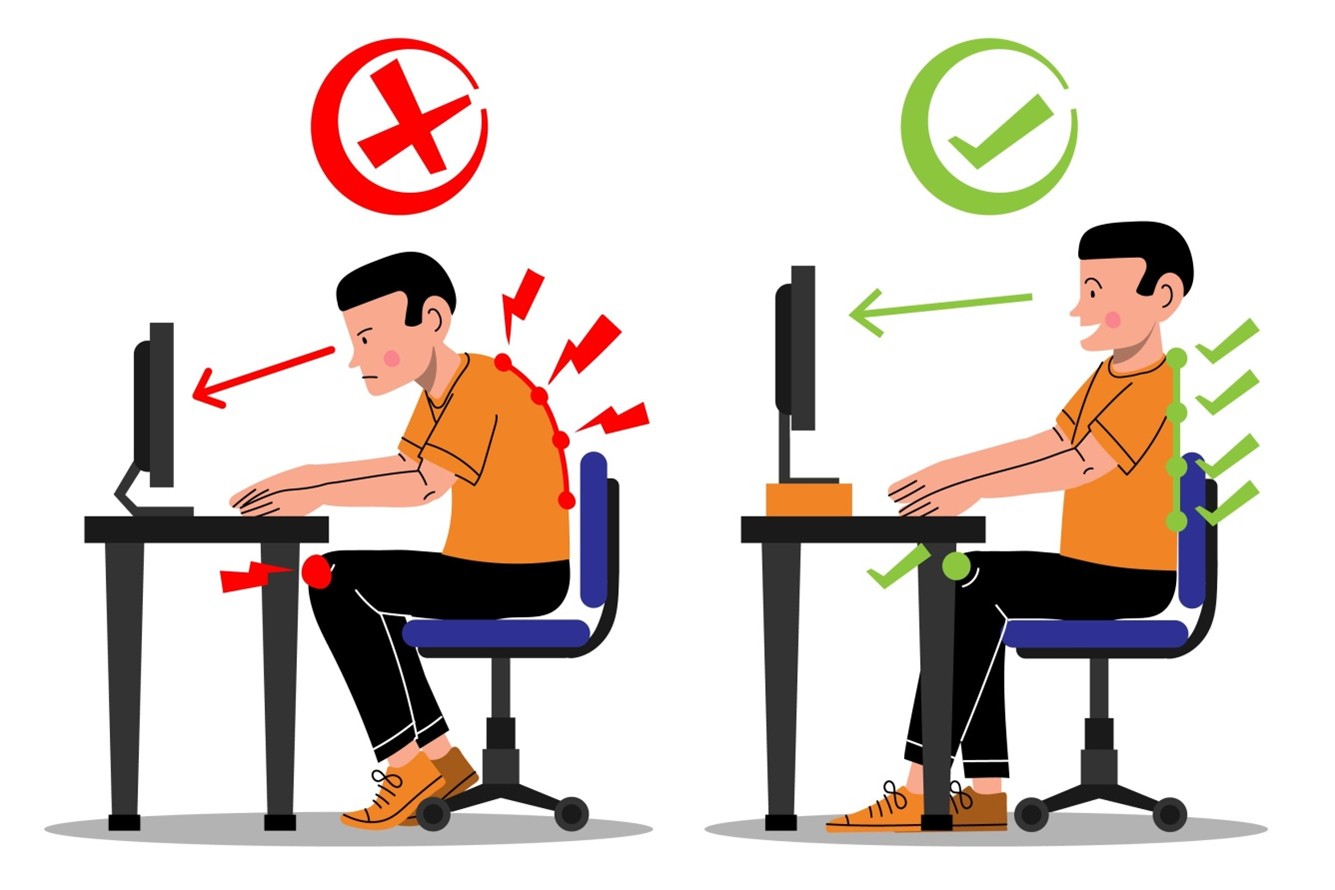
- Posture, both standing and seated
- Range of motion in the affected joint or spinal region
- Gait, if the issue involves the hips, knees, or feet
- Specific orthopaedic and neurological tests relevant to your symptoms
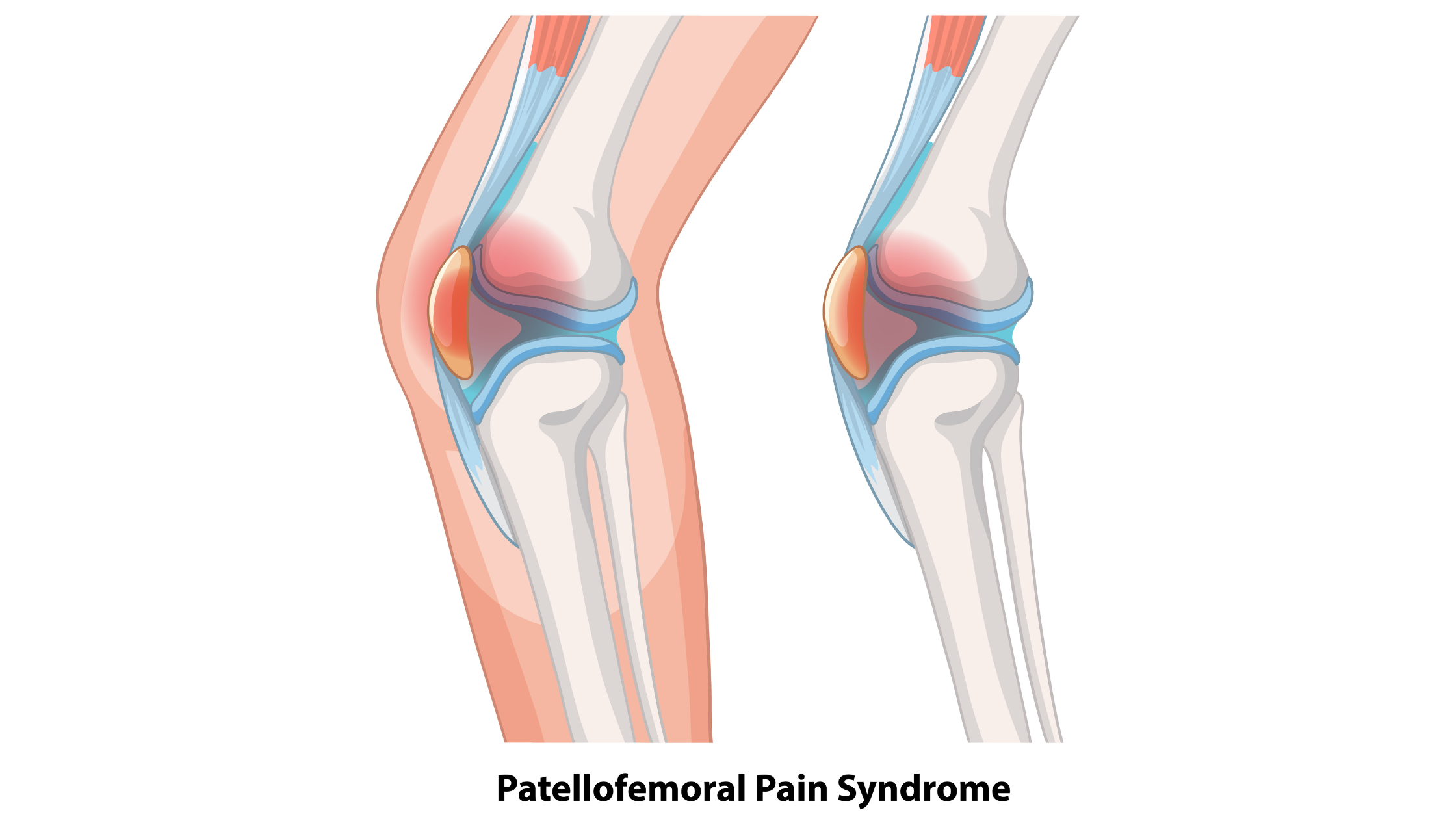
None of this involves sudden movements or surprises. Each test is explained before it happens, and you’re free to say if something feels uncomfortable. The goal at this stage isn’t treatment yet — it’s building an accurate picture of what’s actually going on, since two people with similar-sounding symptoms can have completely different underlying causes. A common mistake at this stage is assuming the assessment should focus only on where it hurts. A knee that aches during stairs might actually trace back to hip alignment, and a stiff neck might have more to do with how the shoulders sit than the neck itself. That’s part of why the assessment often looks broader than the specific complaint that brought you in.
Step 3: Diagnosis, Discussion, and Your First Adjustment
Once the assessment is complete, your chiropractor explains what they’ve found in plain language, not medical shorthand. This usually covers the likely cause of your symptoms, what’s contributing to it, and what a reasonable treatment plan looks like — including roughly how many sessions might be needed and what to expect from them. This is also the point to ask questions. A good explanation should leave you understanding your own condition well enough to describe it to someone else, not just nodding along. In most cases, some treatment happens on the same visit — commonly a spinal adjustment, along with any soft tissue work the assessment points to. That said, more complex or unclear presentations sometimes call for further imaging or a second opinion before any hands-on treatment begins, and a responsible chiropractor will say so rather than treating on the first visit regardless. A spinal adjustment itself is a controlled, targeted movement applied to a specific joint — not the dramatic full-body crack people sometimes imagine. Most patients describe it as a quick pressure and release, occasionally with a popping sound from gas releasing in the joint, which is harmless.
What Happens After Your First Visit
Most first-time patients leave with more than just a treatment session — they leave with a plan. This typically includes a rough timeline for follow-up visits, spaced closer together at the start and further apart as things improve, along with any home exercises or activity adjustments worth making in the meantime. It’s worth being upfront about one thing: chiropractic care isn’t usually a one-visit fix, and a clinic that promises instant, permanent results after a single adjustment is overselling what the treatment can realistically do. Some symptoms ease noticeably within the first few sessions. Others, particularly long-standing postural issues or chronic pain conditions, take a longer course of care and consistent follow-through on the exercises given between visits. A reasonable expectation is a short reassessment after your first block of sessions, where progress is checked against the original findings and the plan is adjusted if needed — not simply extended by default.

Your First Visit at a Glance
| Stage | What Happens | Approx. Time |
|---|---|---|
| Intake & History | Health background, current symptoms, lifestyle questions | 10–15 minutes |
| Physical Assessment | Posture, movement, orthopaedic and neurological tests | 15–20 minutes |
| Diagnosis & Discussion | Findings explained, treatment plan outlined, questions answered | 10 minutes |
| First Treatment (usually) | Spinal adjustment and/or soft tissue therapy, where appropriate | 10–15 minutes |
Total appointment time typically runs 45 to 60 minutes, though this can vary depending on how straightforward or complex your presentation is.
Registered and Regulated: Why This Matters in Hong Kong
Chiropractors in Hong Kong are required to register with the Chiropractors Council, the statutory body responsible for regulating the profession. This isn’t a minor formality — it means the practitioner has met defined education and clinical training standards and is accountable to a professional body, similar to how doctors are registered with the Medical Council. This is a reasonable thing to check before your first visit anywhere, not just at Agape. A registered chiropractor should be able to confirm their registration status without hesitation. At Agape Chiropractic Hong Kong, Dr. Diego Rothschild and Dr. Judy Kok Tung Lee are both registered chiropractors, with backgrounds spanning neuromusculoskeletal care and sports rehabilitation. That combination is relevant beyond credentials — it means the same clinic can reasonably handle a straightforward case of back pain, neck pain, tension headaches or a more athletic, movement-heavy injury without referring you elsewhere for basic care.
Cost, Insurance, and Practical Details
Consultation fees vary by clinic and by whether it’s an initial assessment or a follow-up session, so confirm current pricing directly with the clinic you’re booking with rather than relying on figures quoted elsewhere. Many private health insurance plans in Hong Kong do include chiropractic care as a covered benefit, though coverage limits, excess amounts, and pre-authorisation requirements differ significantly between providers. Rather than assuming your plan covers a specific amount, the more reliable approach is to contact your insurer directly before your visit and confirm the details — clinics can usually provide a receipt or report suitable for submitting a claim afterward. Wear comfortable, loose-fitting clothing if possible, since you may be asked to move through a range of positions during the assessment. Arriving five to ten minutes early gives you time to complete any paperwork without feeling rushed into the appointment itself.
Frequently Asked Questions
Do I need a referral to see a chiropractor in Hong Kong?
No. You can book directly with a chiropractor in Hong Kong without a referral from a GP or specialist, whether it’s your first visit or a return appointment. You might occasionally need a GP referral for insurance coverage, but then again, this differs significantly between providers. We recommend that you enquire with your insurer directly for your specific coverage details.
Will I be treated on my first visit?
In most cases, yes — some treatment, such as a spinal adjustment or soft tissue work, typically happens on the same day as your assessment. More complex cases occasionally require further imaging or discussion before treatment begins.
Is a chiropractic adjustment painful?
Most patients describe it as brief pressure followed by release, not pain. A popping sound sometimes accompanies the movement, which is simply gas releasing within the joint and is considered harmless.
How do I know if my chiropractor is properly registered?
Ask directly, or check with the Chiropractors Council of Hong Kong. A registered chiropractor should confirm their registration status without hesitation — it’s a standard, reasonable question to ask before your first visit.
How many sessions will I need after my first visit?
This depends entirely on the condition and how you respond to initial treatment. Your chiropractor should give you a general estimate during the discussion stage, along with clear markers for reassessing progress along the way.
Ready for Your First Visit?
Knowing what to expect rarely makes the decision easier — usually the pain does that. What it does is remove the guesswork, so the appointment itself becomes about your actual condition rather than the unknown. At Agape Chiropractic Hong Kong, Dr. Diego Rothschild and Dr. Judy Kok Tung Lee see first-time patients regularly, and the process above reflects what actually happens in the clinic rather than a generic script. If you’re dealing with back pain, neck pain, headaches, or a sports-related injury, you can reach the clinic at 2777 3377 or by email at agapechirohk@gmail.com to book an appointment at Unit A, 8/F, World Trust Tower, 50 Stanley Street, Central.