
Wrist pain can originate from a multitude of structures, including joints, ligaments, tendons, bones and nerves. The wrist pain location can give a hint on the possible origin of the injury. The wrist is a complex structure made of little bones and soft tissues that work together harmoniously to give the hand its mobility and function. Its complexity make it a delicate part of the body, where even small repetitive tasks can contribute to irritation, sensitivity, and pain.
Understanding wrist pain
Wrist pain often appears when you perform repetitive activities of daily life. Many patients notice wrist pain while using a phone, typing, performing gym exercises, or lifting objects. Pain when supporting weight on the wrist is a frequent complaint.
Another frequent complaint is pain when bending the wrist, either upward or downward. This could signal tendon and/or ligament irritation, and joint sensitivity, or pain when rotating the wrist, which again is associated with musculoskeletal conditions affecting the wrist.
Wrist pain can arise from acute injury, inflammatory conditions, nerve-related disorders or overuse injury, meaning symptoms arise when repeated stress exceeds the tissue capacity.
Wrist pain location – why it matters clinically
Wrist pain location can help guide diagnosis and better planning for relevant treatments and chiropractic services.
- Inner wrist pain: pain on the palm side can be associated with flexor tendon overload, joint irritation, nerve-related symptoms (like carpal tunnel syndrome), or other wrist structures. Inner wrist pain is a common complaint among people who type for long hours or grip objects repeatedly.
- Outer wrist pain: pain on the back side can be associated with extensor tendon overload, joint irritation, or other structures on the thumb or dorsal side of the wrist. These are often exacerbated with pushing movements or wrist extension.
What are the causes of wrist pain?
There are many reasons as to why someone’s wrist may hurt, and common contributing factors include repetitive strain, prolonged loading, sudden overload, previous injury, and increased physical demands. Wrist pain is also frequently associated with office work, for example typing, scrolling on our mobile phones, but also with non-desk jobs, for example manual labour that requires more physically demanding tasks.
Some cases develop gradually, while some patients develop sudden wrist pain, often after traumatic injury, for example a sudden twist or fall. This may result in a wrist sprain, ligament injury, or other wrist injuries depending on the mechanism and severity of the injury.
Repetitive loading or tissue irritation may contribute to wrist inflammation in some individuals, where tissues become irritated and sensitive to movement. Patients may notice swelling, stiffness, or aching sensations.
In some cases, symptoms extend beyond the wrist into the hand, contributing to hand pain or forearm discomfort, depending on the structures involved.
Wrist sprain, wrist strain, and hand sprain differences
A sprained wrist is caused when ligaments in the wrist are either overstretched or torn as a result of trauma; typically, this occurs due to a fall on an outstretched hand. Common symptoms may include pain during movement, swelling, tenderness, and, in some cases, a feeling of instability.
A wrist strain involves muscles or tendons rather than ligaments and is usually seen as a result of repetitive actions, rather than acute injury. Patients often describe pain or aches in the wrist and forearm.
A hand sprain, which typically may include structures that link into the wrist, can cause both hand, but also wrist pain.
Tendon-related wrist conditions
Wrist tendonitis
One of the most frequent persistent causes of wrist pain is irritation or overload of the wrist tendons resulting from repetitive stress. Symptoms commonly occur during wrist movements, gripping, or lifting activities, and patients may complain of pain when they actively extend the wrist/ raise it.
Wrist tenosynovitis
Inflammation and swelling in a tendon sheath are known as tenosynovitis. Inflammation may result in pain during movement and the sensation of clicking or a rough feeling over the tendon.
Functional limitations associated with wrist pain
If you have wrist pain, you may experience various functional limitations, and these may vary depending on the type and severity of the condition. Here are the most common ones:
- Swelling and difficulties performing repetitive activities.
- Pain when bending the wrist upward, which may be associated with extensor tendon loading, while pain when bending the wrist downward may be associated with flexor tendon loading. Clinical assessment is required to determine the underlying cause.
- Discomfort and weakness during weight-bearing.
- Patients may also experience wrist swelling.
- In some cases, pain can radiate into surrounding areas, causing generalized hand pain. Occasionally, the forearm involvement may contribute to elbow pain, especially when muscles are overworked. Some patients experience reduced grip strength.
Common injuries involving Inner wrist pain vs Outer wrist pain
Inner wrist pain can be linked to several conditions, but is commonly seen in Triangular Fibrocartilage Complex (TFCC) injuries.
Outer wrist pain may occur with different types of wrist injuries, but often involves a De Quervain’s tenosynovitis, or mom’s thumb.
A HK Chiropractor can help you find and understand the origin of your symptoms, and whether they are related to tendonitis, tenosynovitis, or any other underlying musculoskeletal condition. An accurate diagnosis is paramount to effective treatment.
What to do about wrist pain and early management
Many common wrist musculoskeletal injuries require more than just rest. It is often necessary to consider relevant treatments and importantly activity modifications. This means reducing painful and harmful movements while maintaining mobility to avoid wrist and hand stiffness.
These simple methods can sometimes help provide short-term wrist pain relief:
- Load reduction
- Applying an ice pack if inflamed
- Avoid repetitive, aggravating activities
For long-term recovery, it is important to identify a movement or loading issue rather than just attempting to control symptoms.
Wrist pain treatment – chiropractic approach
A chiropractor can diagnose and use different treatment methods to help patients presenting with wrist-related musculoskeletal complaints. From Carpal Tunnel Syndrome, De Quervain’s Tenosynovitis, to Flexor/Extensor Tendinitis, they are trained and well prepared to give guidance and provide therapies to help wrist conditions. Here are some common treatment modalities used by chiropractors:
Manual therapy
Focusing on wrist joint mobilization, wrist adjustments, to improve mobility, reduce stiffness, and support function.
Soft tissue therapy
Soft tissue therapy may include trigger point therapy, myofascial release, or instrument-assisted soft tissue mobilization to reduce muscle tightness, relieve stress on the wrist tendons, and improve tissue mobility.
Physical therapy modalities
It may include shockwave therapy, therapeutic ultrasound, or Interferential current therapy as adjunctive treatments aimed at reducing symptoms and supporting rehabilitation where clinically appropriate.
Exercise and rehabilitation
Exercises and rehabilitation may include stretching exercises such as wrist extensor stretches, wrist flexor stretches, forearm stretches, and thumb stretches to improve flexibility and reduce tension around the wrist. Chiropractors may also recommend strengthening exercises, resistance-band exercises, grip training, and simple movements to improve stability, restore function, and help prevent recurrence of pain.
Wrist pain prevention tips
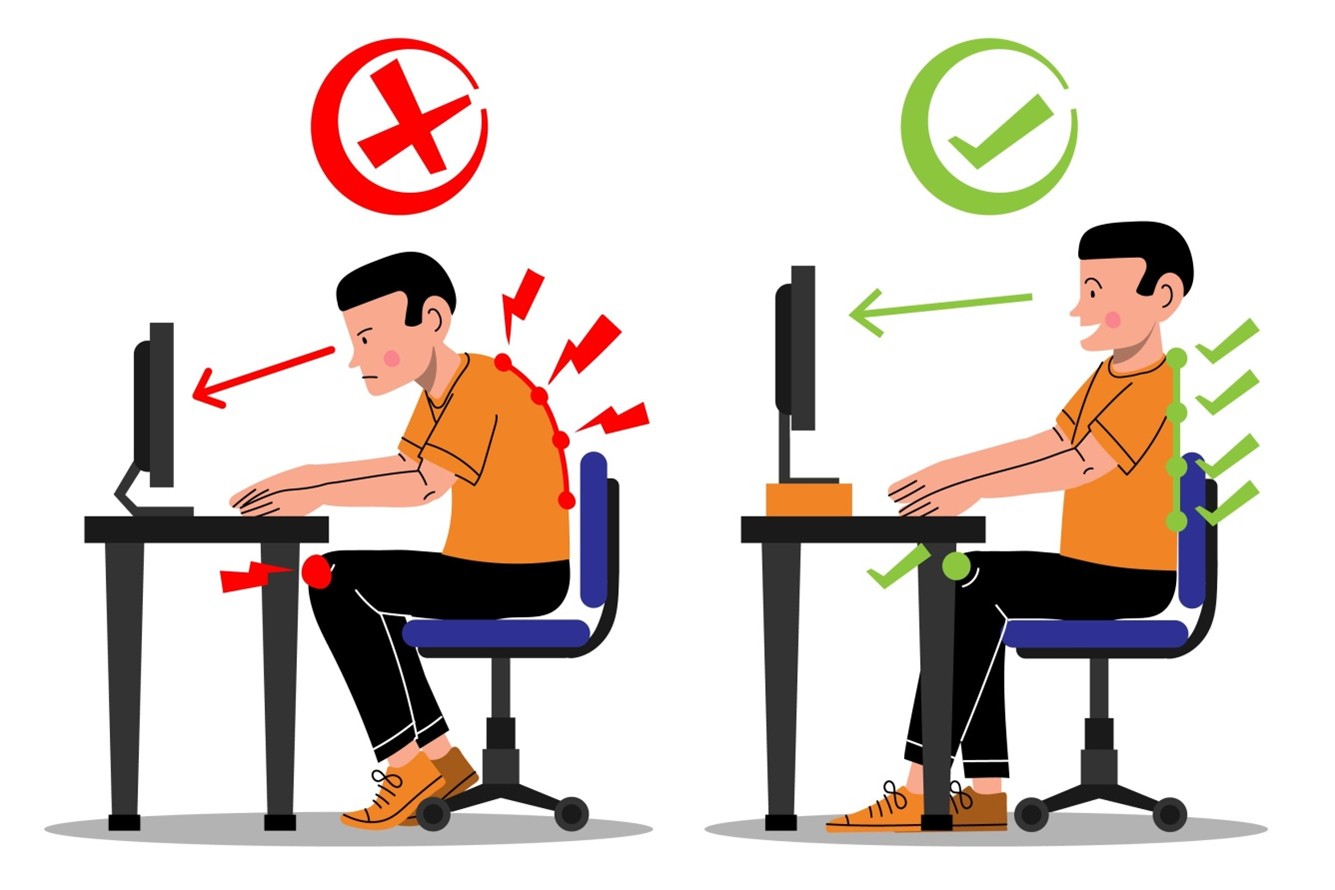
Identifying underlying abnormal load patterns can help prevent wrist overuse injuries. This includes reducing repetitive strain, improving ergonomics where appropriate, and strengthening forearm muscles.
How long does wrist pain take to heal?
Wrist pain recovery depends on the cause and severity of the injury:
- Mild wrist strains often improve within 1–3 weeks, although recovery varies between individuals.
- Moderate wrist sprains commonly require 4–8 weeks or longer, depending on injury severity and rehabilitation progress.
- Certain wrist conditions, for example De Quervain’s Tenosynovitis, can take several months to recover.
Conclusion
Most musculoskeletal wrist conditions are associated with repetitive overloading, activity-related factors, or minor injuries. A chiropractor can help you identify the different possible factors and guide you guidance on activity modification. If you are struggling with wrist pain, you can seek help from a qualified chiropractor.