Dizziness is one of the most common symptoms seen in the general population. Some people describe feeling lightheaded, drowsy, while some others feel like the room is spinning. Dizziness can happen in short bouts, or it can persist throughout the day, making even simple daily activities difficult and exhausting. Perhaps you have visited different specialists and couldn’t find out the root cause of your dizziness, but have you had your neck checked?
At Agape Chiropractic Hong Kong, we help people who suffer from neck-related dizziness, also known as cervicogenic dizziness. This cause is often overlooked, since standard ENT and neurological tests usually come back normal. With gentle, targeted chiropractic techniques, we work to ease the neck tension and joint dysfunction that may be driving your symptoms. Over time, this can help you feel more stable day to day.
In short: cervicogenic dizziness often starts around the same time as neck pain, stiffness, or a change in posture, and it gets worse when you turn or tilt your head. If that sounds like you, a chiropractor may be able to help by addressing the neck joints and muscles feeding faulty balance signals to your brain. This is different from dizziness caused by inner ear problems.
What is Cervicogenic Dizziness?
Cervicogenic dizziness, also known as cervical dizziness or cervical vertigo, is a type of dizziness that comes from problems in the neck (cervical spine). It is different from dizziness caused by inner ear or brain issues, and results from abnormal input from the neck’s sensory structures.
This type of dizziness often comes with:
- Neck pain or stiffness
- Dizziness or a sense of imbalance when turning or tilting your head
- Headaches, often felt at the base of the skull
- A feeling of unsteadiness rather than the room spinning around you
- Nausea that is usually milder than what’s seen with inner ear-related vertigo
One useful distinction: true spinning vertigo feels like the room itself is rotating. This is more often linked to an inner ear condition than to the neck. Cervicogenic dizziness tends to feel more like swaying, floating, or general unsteadiness. It typically comes and goes alongside your neck symptoms, rather than lasting continuously.
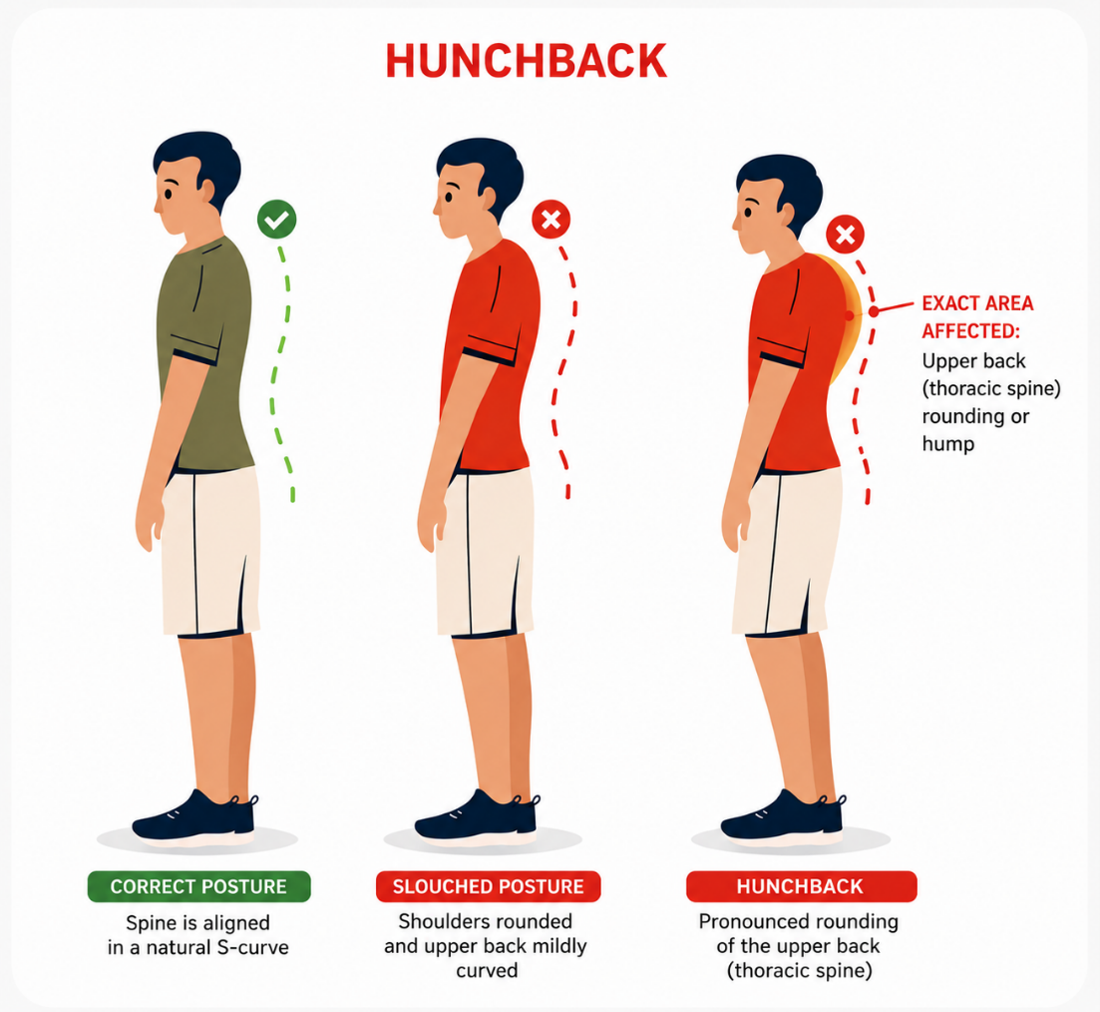
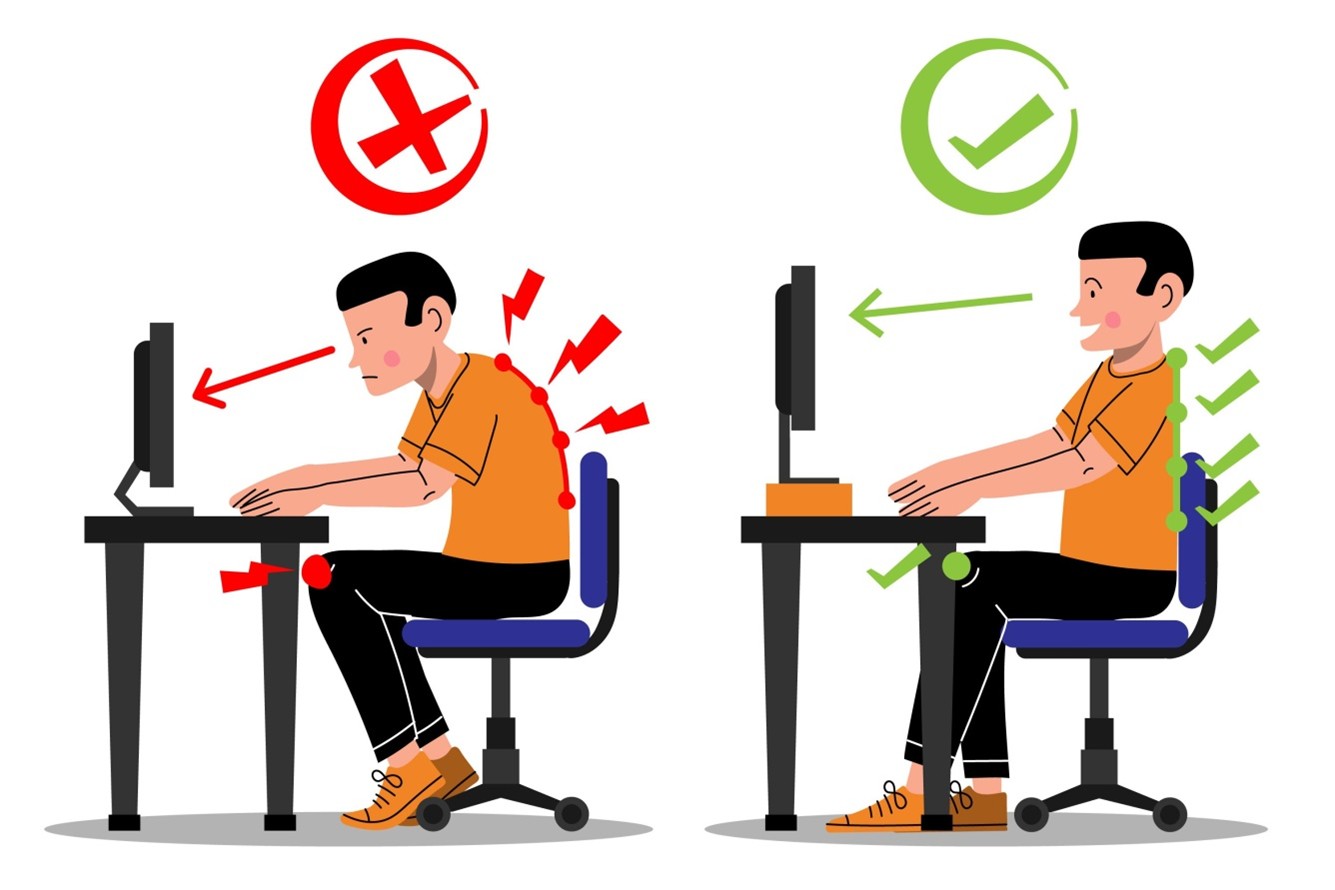
The neck plays an important role in movement and balance. The neck has many small muscles, nerves, and joints that send signals to your brain to help you stay balanced. If those signals get mixed up because of neck strain, due to poor posture (stooped posture), injury, or problems within the joints and muscles, your brain gets confused, and this may cause dizziness.
Common triggers we see in our Central clinic include long hours at a desk with forward head posture, and whiplash from a car accident or sports injury. General wear and tear in the neck joints, also called cervical spondylosis, is another frequent cause.
Cervicogenic Dizziness vs. Vertigo: How to Tell the Difference
Dizziness is a broad term, and not every case that starts with neck discomfort is coming from the neck. It helps to know the difference.
Cervicogenic dizziness usually feels like swaying, floating, or being off-balance. It is closely tied to neck position and neck pain, and it tends to ease as your neck symptoms improve.
True vertigo, a spinning sensation, is more often linked to an inner ear condition such as benign paroxysmal positional vertigo, or BPPV. This happens when small crystals in the inner ear become dislodged. It is usually triggered by specific head movements rather than neck pain, and it is managed differently, often with a repositioning maneuver rather than chiropractic care.
Because these two conditions can feel similar and sometimes overlap, a proper assessment is important before starting any treatment. At Agape, we take the time to ask the right questions and examine your neck and general balance first. This helps us decide whether chiropractic care is an appropriate first step, or whether you should see an ENT specialist or neurologist instead.
When Dizziness Needs Urgent Medical Attention
Most dizziness, including cervicogenic dizziness, is not dangerous, but a small number of cases can point to something more serious. Seek medical attention promptly, rather than booking a chiropractic visit first, if your dizziness comes with any of the following:
- Sudden, severe headache unlike any you have had before
- Slurred speech, facial drooping, or weakness or numbness on one side of the body
- Double vision, difficulty swallowing, or loss of consciousness
- New hearing loss, ringing in the ears, or a feeling of fullness in one ear
- Frequent, unexplained falls or a marked loss of balance that came on suddenly
These can be signs of a stroke, a vestibular condition, or another issue that needs medical evaluation first. At Agape Chiropractic Hong Kong, part of our assessment is ruling these out. If we believe your symptoms need a doctor’s attention instead of, or before, chiropractic care, we will tell you and refer you accordingly.
How Can Chiropractic Care Help with Dizziness?
At Agape Chiropractic Hong Kong, we use effective treatments to address and relieve dizziness that may be coming from your neck. Here’s how we approach it:
- Thorough Assessment — Our chiropractors take time to understand your full health history and symptoms. We check your posture, how your neck feels, and how it moves, including specific movements known to bring on cervicogenic symptoms. If required, we may refer you for imaging to look at your neck in greater detail. If we think the cause of your dizziness cannot be treated with chiropractic care, we refer you to the relevant specialist.
- Gentle Chiropractic Adjustments — We use gentle chiropractic adjustments to restore normal joint motion and improve nerve function, which can minimize dizziness over time.
- Neck Traction and Mobilization — Some patients get relief from traction-based techniques, where we gently stretch the neck to relieve pressure. This has been shown to reduce dizziness in some cases of neck-related dizziness.
- Posture & Balance Training — We also suggest simple home exercises that improve posture, strengthen neck muscles, and train your balance. These are especially helpful if you suffer from poor posture and, in addition to helping dizziness, they can help soothe symptoms of cervical degeneration.
- Soft Tissue Therapy — Tight muscles in the neck and upper back can contribute to dizziness. We use soft tissue release and gentle massage techniques to help release these muscles.
Is Chiropractic Safe for Dizziness?
The short answer is ‘Yes’. When done by a fully licensed and trained chiropractor, this type of care has an exceptional safety track record. At Agape Chiropractic Hong Kong, your health and safety always come first. We never guess, we only initiate treatments if we believe it is safe and appropriate.
We adapt our manual techniques and exercises for each patient, and use appropriate and gentle care, especially for patients with conditions that require more caution (like seniors or those with vascular risk). Each patient receives a careful assessment and is given a customized treatment plan.
What to Expect at Your First Visit for Dizziness
If you have never seen a chiropractor before, your first visit will start with a detailed conversation about your dizziness, neck symptoms, and general health history. This is followed by a physical examination of your neck’s movement, posture, and muscle tension. It is the same thorough process used for a standard first chiropractic visit, with a few extra checks specific to balance and neck-related symptoms. From there, we will explain what we think is driving your dizziness and outline a treatment plan before starting any hands-on care.
How Long Does It Take to Recover from Dizziness?
Some people feel improvement after just a few sessions. Others may need a bit more time, especially if the issue has been ongoing for months or years. While everyone is different, many of our patients with cervicogenic dizziness report:
- Less neck pain and stiffness
- Fewer dizzy spells, especially when turning their head
- Better posture and balance
Frequently Asked Questions
Can neck problems really cause dizziness?
Yes. The neck contains nerve receptors that help your brain understand your body’s position in space. When neck joints or muscles are not working properly, the signals they send can become inaccurate. This can trigger a sensation of dizziness or imbalance known as cervicogenic dizziness.
What does cervicogenic dizziness feel like?
Most people describe it as swaying, floating, or general unsteadiness rather than a true spinning sensation. It is usually triggered or worsened by turning or tilting the head and tends to occur alongside neck pain, stiffness, or headaches.
Is cervicogenic dizziness the same as vertigo?
Not exactly. Vertigo often refers to a spinning sensation caused by an inner ear condition like BPPV. Cervicogenic dizziness comes from the neck and usually feels more like imbalance than spinning. The two can sometimes be confused, so a proper assessment is important.
How is cervicogenic dizziness diagnosed?
There is no single test that confirms cervicogenic dizziness on its own. It is usually identified by ruling out other causes, like inner ear or neurological conditions, and finding a clear link between your neck symptoms and your dizziness. A chiropractor’s assessment will typically include a review of your history along with tests of your neck’s movement and posture.
Can a chiropractor in Hong Kong help with dizziness and balance problems?
If your dizziness is linked to your neck, yes. Gentle chiropractic care aimed at improving neck joint movement and reducing muscle tension can help reduce dizziness for many patients. At Agape Chiropractic Hong Kong, we assess each patient individually and will refer you elsewhere if we believe your symptoms need a different specialist.
Ready to Get Your Dizziness Checked?
Dizziness is frustrating, but you don’t have to live with it forever. If your neck is part of the problem, chiropractic care could be part of the solution — and if it comes with neck pain, stiffness, or started after an injury, that’s worth getting assessed rather than waiting it out. You can reach us at 2777 3377 or message us on WhatsApp to book an assessment at Unit A, 8/F, World Trust Tower, 50 Stanley Street, Central.
Other Useful Links:
足底筋膜炎多久會好